
Global Events' Impact
Recent events have unexpectedly impacted luxury car owners, particularly those with prestigious brands. Geopolitical tensions and economic sanctions have created
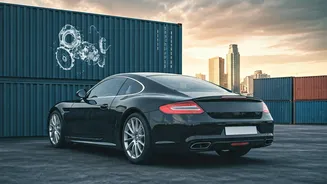
significant problems for these owners. Car engines, especially those in high-end vehicles, have become vulnerable due to software-related issues. When sanctions are imposed, manufacturers may be forced to limit the operation of vehicles in certain regions. This can involve disabling crucial components, like the engine, through remote locking mechanisms. These measures effectively render the vehicles inoperable, stranding owners. The situation has caused frustration and financial hardship, as these car owners are now facing costly repairs, decreased vehicle value, and limited mobility options.
Operational Challenges
The remote disabling of engines presents a complex challenge for owners. Due to imposed restrictions, these cars may no longer function. Consequently, affected owners encounter an array of practical complications. Finding competent repair services that can address these technologically advanced problems poses a challenge, particularly in areas where access to original manufacturer parts is restricted. The need for specialized expertise and resources adds to the complexity. Furthermore, owners have to confront potential financial burdens from the devaluation of their now-immobilized vehicles. These cars' inability to function also affects their intended use and disrupts daily routines. Overall, the situation highlights the dependency on advanced technologies, emphasizing the potential vulnerability for owners facing international restrictions and geopolitical developments.
Industry Implications
The situation carries significant implications for the automotive industry. It brings into focus the impact of international regulations and the potential consequences of manufacturers' decisions during times of conflict. The practice of remotely disabling vehicles raises questions about consumer rights and the manufacturer's responsibility for vehicle functionality. It may also lead to a re-evaluation of software integration in cars and the potential risks of remote control, especially concerning high-end models. As geopolitical relations evolve, carmakers must carefully evaluate how their technologies and business practices could be affected by new regulations and global challenges. This could include revising their supply chains to be more resilient and considering the impact on consumer trust and brand image.