







Cruise Ship Outbreak
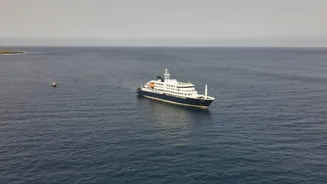
An alarming outbreak of Hantavirus has surfaced on the Dutch cruise ship MV Hondius, which embarked on a journey from Argentina. The situation has escalated
with three confirmed deaths and several other infections, prompting the World Health Organization (WHO) to issue advisories to multiple nations. Despite the serious nature of these events and the confirmed cases, the WHO's director-general, Tedros Adhanom Ghebreyesus, has moved to quell widespread public anxiety. He explicitly stated that this Hantavirus situation should not be compared to the global COVID-19 pandemic experienced previously, highlighting that it is neither a coronavirus nor a pandemic in the same vein. This clarification aims to provide accurate context and prevent undue alarm among the global population regarding the current health threat.
Case Breakdown
The Hantavirus outbreak on the MV Hondius cruise ship has resulted in a total of eight registered infection cases. Among these, five individuals have been confirmed to have contracted the virus. Additionally, three other passengers are currently undergoing diagnostic tests to determine if they too have been infected. Tragically, three confirmed deaths have been attributed to the virus. The first fatality occurred on April 11, with the passenger having fallen ill on April 6. Initially, the cause of death was misdiagnosed as a common respiratory infection. However, subsequent diagnoses were revised to Hantavirus after another infected individual passed away in Johannesburg, and a confirmed case was also identified in Switzerland, linking these occurrences.
Global Warning Issued
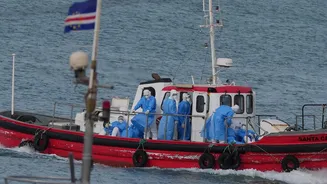
In response to the Hantavirus outbreak on the MV Hondius, the World Health Organization has extended its communication to twelve countries whose residents were passengers or had travel connections to the ship. These nations include the United Kingdom, the United States of America, Canada, Germany, the Netherlands, Switzerland, Singapore, and Turkey. To conduct necessary health checks and assessments, WHO experts and physicians from the European Centre for Disease Prevention and Control (ECDC) have already boarded the vessel. They will remain on the ship until its arrival in the Canary Islands, ensuring comprehensive monitoring and response measures are in place.
Transmission Clarified
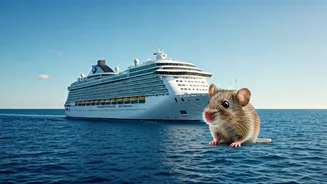
The Hantavirus is primarily a zoonotic disease, meaning it originates in animals and can transmit to humans. The principal carriers of Hantavirus are rodents, such as rats and mice. These infected rodents transmit the virus through their bodily fluids, including saliva, urine, and feces. Human infection typically occurs through direct contact with infected rodents or by inhaling aerosols containing the virus, often generated from dried rodent excrement. Crucially, as confirmed by WHO physician Dr. Maria, Hantavirus does not spread from person to person through respiratory droplets, distinguishing its transmission pattern significantly from that of SARS-CoV-2.
India's Risk Assessment
With the Hantavirus outbreak on the cruise ship gaining international attention, concerns have been raised regarding potential risks in India. However, medical professionals and the WHO's assessment suggest that India faces a relatively low risk of a widespread outbreak at present. As of May 7, 2026, there have been no reported cases of Hantavirus in India linked to the MV Hondius cruise ship. Several factors contribute to this low-risk assessment, including the typically localized nature of Hantavirus outbreaks, which do not spread as rapidly as respiratory illnesses. Furthermore, human-to-human transmission is rare, even with viruses like the 'Andes' virus known to cause Hantavirus infection, requiring very close contact. The current detected cases are strictly travel-associated, indicating no evidence of community spread within India.