








Historical Roots of Conflict
The roots of the Balochistan conflict are deeply embedded in history, predating Pakistan's independence. The Baloch people, an ethnic group with their
distinct language and culture, have a history of self-governance. After the British left the subcontinent, Balochistan, then known as the Balochistan Khanate, declared its independence on August 11, 1947, preceding Pakistan's formation. However, Pakistan forcefully annexed the region in 1948, leading to resentment and resistance. This annexation, viewed as an act of aggression, ignited the first of several Baloch insurgencies. Successive Pakistani governments have struggled to fully integrate Balochistan, and the province has seen sustained resistance ever since. The demand for greater autonomy, or outright independence, has been a consistent theme over the decades, fueled by a desire to preserve their cultural identity and control over their resources. The lack of equitable resource distribution and alleged human rights violations by the Pakistani state have also fueled the conflict. The Baloch people feel that they have been denied their rights and exploited, leading them to seek a future where they can control their destiny.
Mineral Wealth and Exploitation
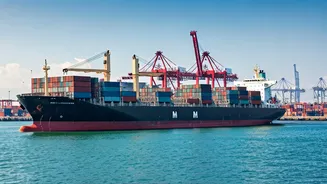
Balochistan's immense mineral wealth has, ironically, become a primary driver of the conflict. The province holds significant deposits of natural gas, gold, copper, and other valuable resources. Pakistan’s extraction of these resources, often without adequately compensating the local Baloch population or providing them with the benefits, has triggered significant frustration. Locals express that they receive few advantages from these resources' wealth, while bearing the environmental and social consequences of the mining activities. This feeling of marginalization fuels the perception of Balochistan as an exploited colony. The CPEC (China-Pakistan Economic Corridor) project, with its large-scale infrastructure and resource extraction plans in Balochistan, has further exacerbated these tensions. Many Baloch see CPEC as another avenue for outsiders to exploit their resources, raising fears about their displacement and the dilution of their culture. It’s believed that the economic gains from Balochistan’s resources have been unfairly concentrated outside the province, leading to persistent poverty and inequality among the Baloch people.
Key Players and Groups
Several Baloch groups are actively involved in the struggle for autonomy or independence, each with varying aims, strategies, and levels of influence. The Baloch Liberation Army (BLA) is among the most prominent, known for its armed resistance against the Pakistani government. The BLA has claimed responsibility for attacks on Pakistani security forces and infrastructure projects. Other groups, such as the Balochistan Liberation Front (BLF), also operate in the region. There are also political parties, such as the Balochistan National Party (BNP), that advocate for Baloch rights through political channels, including dialogue with the Pakistani government. These groups represent a diverse spectrum of viewpoints. Understanding the objectives of each faction, their capabilities, and their relations with one another is crucial to understanding the complexity of the Balochistan conflict. The Pakistani military, intelligence agencies, and government all play major roles and are key players in Balochistan.
Human Rights Concerns
Human rights concerns are a constant factor in the Balochistan conflict, further fueling resentment toward the Pakistani state. Accusations of enforced disappearances, extrajudicial killings, and torture are frequent. International human rights organizations have documented these allegations, highlighting the suffering of the Baloch people. The Pakistani military is accused of targeting Baloch nationalists and activists, leading to widespread fear and insecurity in the region. The alleged targeting of Baloch civilians, including women and children, has intensified the struggle for independence. The failure of the Pakistani government to address these allegations and ensure accountability has eroded trust and made peace negotiations even more difficult. The human rights situation continues to be a major obstacle to resolving the Balochistan issue.
The Quest for Independence
The Baloch people's struggle for independence has been shaped by a combination of factors, including a desire to preserve their cultural identity, control over their resources, and protect their human rights. The concept of self-determination is a critical aspect, with many Baloch believing that only independence will ensure their survival and development. They view independence as a means of ending the alleged oppression by the Pakistani state and achieving a future where they control their destiny. The Baloch movement is not a monolithic entity, and there are varied opinions regarding the best strategy. The military actions and political negotiations are used. Support for independence varies across different segments of Baloch society, with some favouring greater autonomy within Pakistan. The path to achieving independence is complex and fraught with challenges, including the response from the Pakistani state. The aspirations of the Baloch people are to secure their future.
The Government's Response
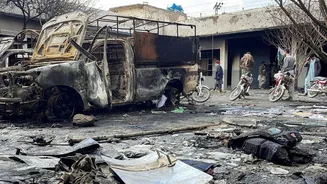
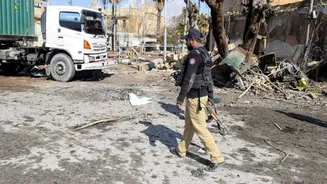
The Pakistani government's response to the Balochistan conflict has mainly been marked by a security-focused approach. This includes military operations, intelligence operations, and crackdowns on Baloch separatists. The government often dismisses the demands for independence as the work of foreign-backed terrorists, and claims its actions are necessary to maintain law and order. The heavy military presence in Balochistan and the use of force, however, have failed to quell the unrest. This approach has further alienated the Baloch population and deepened the mistrust between the two sides. The government has also initiated some development projects and economic incentives to address grievances. However, these programs have been unsuccessful in winning over the Baloch people. The government's actions show that a political solution must be found. The government's ongoing approach is a critical factor in the continuing conflict.
The Role of External Actors
External actors, including regional powers and international organizations, have played a role in the Balochistan conflict. Afghanistan and Iran, which share borders with Balochistan, have been implicated in supporting some Baloch groups. Iran's involvement has raised concerns. The United States and other Western countries have shown a limited interest in the issue, mainly focusing on counterterrorism efforts in the region. The international community's involvement has been complicated by the geopolitical interests in the region. International organizations, like the United Nations, have raised concerns about human rights violations. The impact of external actors is significant. The future of Balochistan will be affected by the international community.
Prospects for the Future
The future of Balochistan remains uncertain, dependent on the interplay of many complex factors. Reaching a sustainable peace will need dialogue, reconciliation, and compromise between the Pakistani government and the Baloch people. This involves addressing Baloch grievances, acknowledging their rights, and ensuring their participation in decision-making processes. The key to a peaceful resolution lies in a multi-faceted approach, that involves political, economic, and social reforms. Addressing the human rights issues, ensuring the equitable distribution of resources, and promoting inclusive development are all crucial. The CPEC project's development must be managed, and the external influence of other countries should be considered. While the situation is intricate, the path towards lasting peace in Balochistan hinges on recognizing and addressing the Baloch people’s fundamental rights and aspirations.