







A New Global Benchmark
India has cemented its place on the global engineering map with the construction of the planet's most expansive underground road tunnel. This significant
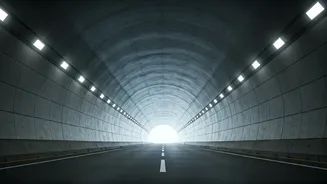
accomplishment, recognized by Guinness World Records, was spearheaded by Navayuga Engineering Company Limited (NECL) as a pivotal component of the Mumbai-Pune Expressway's Missing Link Project. More than just an increase in scale, this achievement signifies a groundbreaking shift in transportation, enhancing crucial connections and showcasing India's escalating expertise in large-scale infrastructure development. The tunnel's impressive width is a defining characteristic, setting a new international standard for underground road construction and highlighting India's commitment to innovation in the infrastructure sector. This project isn't merely about building a tunnel; it's about redefining travel efficiency and demonstrating advanced technical capabilities on a global scale.
Transforming the Ghats
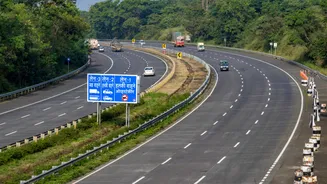
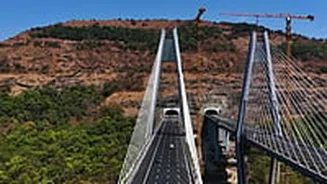
Situated within the challenging topography of Maharashtra's Western Ghats, this record-setting tunnel was conceived as a vital part of the 'Missing Link' initiative for the Mumbai-Pune Expressway. Its unprecedented width is engineered to dramatically shorten the journey between these two major metropolises, simultaneously improving the safety and overall fluidity of traffic. The Mumbai-Pune Expressway, a heavily trafficked route, frequently experiences severe congestion, particularly around the steep and circuitous sections near Lonavala and Khandala. The Missing Link Project directly confronts these issues by establishing a more direct, expedited, and secure pathway, integrating tunnels with elevated structures to bypass problematic segments and offer a smoother transit experience for all travelers.
Benefits for Commuters
This ambitious infrastructure undertaking represents a substantial advancement in contemporary transport planning. The Missing Link Project is projected to reduce travel duration between Mumbai and Pune by approximately 30 minutes, offering a significant improvement over current commute times. Furthermore, it steers traffic away from accident-prone stretches in the ghats, which pose considerable hazards, especially during the monsoon season due to landslides, reduced visibility, and slippery road conditions. For those who travel this route regularly, including daily commuters, logistics providers, and tourists, this translates into journeys that are not only quicker but also more economical in terms of fuel consumption and notably more reliable, reducing the stress and uncertainty associated with the existing route.
Engineering Under Pressure
Excavating an underground tunnel of such immense width presents formidable engineering challenges. Project engineers had to navigate complex geological conditions, diverse rock strata, and sensitive ecological factors within a region of significant environmental importance for India. Navayuga Engineering Company Limited employed sophisticated tunnelling methodologies, including precise blasting techniques and specialized excavation equipment, to achieve the record-breaking dimensions while rigorously ensuring structural integrity and safety. The sheer scale necessitated meticulous planning across all operational facets, encompassing robust ventilation and drainage systems, as well as advanced reinforcement and emergency preparedness measures. This project stands as a powerful demonstration of how Indian construction firms are increasingly equipped to tackle engineering feats that are competitive on an international level.
Economic Arterial Boost
The Mumbai-Pune corridor serves as more than just a pathway for daily travel; it is a critical economic lifeline that connects major financial, industrial, and technological centers. Enhancing the efficiency of this route promises to yield significant positive impacts on trade, tourism, and the broader economic development of the region. Improved road infrastructure will enable businesses to transport goods more swiftly, facilitate more comfortable travel for tourists heading to popular hill stations and coastal destinations, and allow emergency services to navigate essential routes more effectively during critical situations. This upgraded connectivity is poised to stimulate economic activity and improve the overall quality of life for residents and visitors alike.
India's Infrastructure Drive
This prestigious Guinness World Record arrives at a time when India is aggressively pursuing large-scale infrastructure development across various sectors, including highways, expressways, high-speed rail, and urban transit systems. The nation is making substantial investments in transformative projects, ranging from expansive bridges over water bodies to state-of-the-art underground tunnels, all designed to meet and exceed global standards. NECL's achievement in constructing the world's widest underground tunnel is a significant construction triumph, but it also reflects India's overarching ambition to build infrastructure that is not only bigger and faster but also smarter and more sustainable, positioning the country as a leader in modern infrastructure development.