
Jeans: A Legacy
Jeans' journey from rugged workwear to a global fashion symbol is fascinating. Originally designed for laborers in the late 19th century, their durability
and practicality quickly won favor. Cowboys, miners, and other working-class individuals quickly adopted jeans, valuing them for their resilience. The use of robust denim and reinforced stitching made them ideal for demanding physical work. As time progressed, jeans began to move beyond their utilitarian roots, finding their way into mainstream fashion. Hollywood icons and youth culture figures embraced jeans, transforming them into a symbol of rebellion and casual style. The transition from practical attire to fashion staple solidified jeans' place in history.
The Fabric Factor
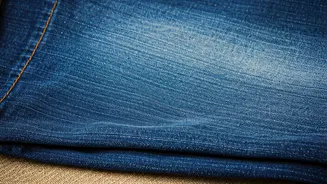
The material of jeans significantly impacts their comfort, durability, and style. Denim, the quintessential fabric, varies in weight and composition. Heavier denim offers greater durability, ideal for workwear-inspired styles, while lighter denim provides enhanced breathability, perfect for warmer climates. Cotton denim remains the most common choice, renowned for its softness. Blends, incorporating fabrics like polyester or spandex, introduce stretch and flexibility. These mixtures improve comfort and enhance the fit, allowing for a broader range of movement. The fabric's wash and treatment also play a key role, influencing the final appearance. Washes range from raw denim, which retains its original indigo color, to pre-worn and distressed styles. Choosing the right fabric is critical for both the look and feel of the jeans.
Finding the Right Fit
Fit is crucial when selecting men's jeans, impacting comfort, style, and how the garment complements your body. There are various fits available, each catering to different preferences and body types. Slim-fit jeans offer a modern look, hugging the legs and providing a streamlined silhouette. Straight-leg jeans provide a classic fit, with a consistent width from the hip to the ankle. These are a versatile choice suitable for most body types. Relaxed-fit jeans are looser and more comfortable, offering greater ease of movement, while bootcut jeans are wider from the knee down, designed to accommodate boots. Understanding your body shape and personal preferences is essential for selecting the correct fit. Trying on different styles and sizes allows for the perfect jeans.
Wash and Detail
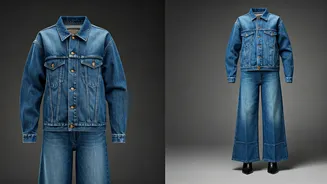
The wash and detailing of jeans contribute significantly to their style and overall aesthetic. Washes range from dark indigo to light washes and even distressed finishes, each providing a unique look. Dark wash jeans are a versatile choice, easily dressed up or down. Light wash jeans evoke a more casual, relaxed vibe. Distressed jeans, with intentional fading, rips, and abrasions, showcase a more edgy, worn-in appearance. Details like pockets, stitching, and hardware also contribute to the overall style. The placement, size, and style of pockets can change the look of the jeans. The color and pattern of the stitching add visual interest. Hardware, such as rivets and buttons, not only serves a functional purpose but also enhances the jeans' aesthetic appeal. These details influence the look and feel of your jeans.
Styling Jeans Outfits
Jeans' versatility allows for a myriad of outfit options, suitable for many occasions. Pairing jeans with a t-shirt and sneakers creates a simple, casual look. Dressing them up with a button-down shirt and dress shoes provides a smart casual attire. For a more sophisticated appearance, a blazer and loafers can complete the look. The accessories you choose, like belts, watches, and hats, can further enhance the overall style. Consider the wash and fit of the jeans when putting together an outfit. Dark wash jeans often pair well with dressier tops and shoes. Light wash jeans match better with casual elements. By experimenting with different combinations, you can make jeans the centerpiece of your wardrobe.