





FTA: What's Changing?
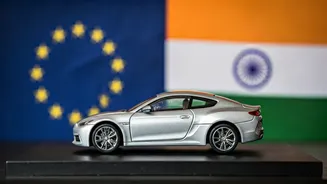
The India-EU Free Trade Agreement is designed to significantly alter the landscape of the Indian automotive sector. The primary goal is to lower import
duties on a range of vehicles imported from the European Union. This strategic move is expected to have a cascading effect, benefiting consumers by reducing the final purchase price of selected car models. The essence of the agreement lies in the elimination or substantial reduction of tariffs, which have traditionally added to the cost of imported cars. Consequently, this shift could make European-made vehicles more competitive in the Indian market, potentially leading to increased sales and market share for EU automakers. The agreement's success hinges on several factors, including the phased implementation of tariff reductions and the ongoing dynamics of the global automotive supply chain, ensuring that the intended price benefits reach the end consumers.
Cars Set For Reductions
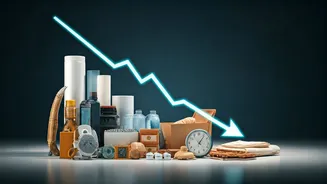
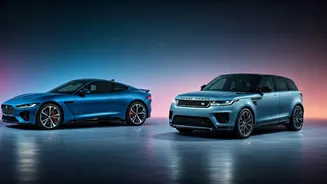
Several car models are poised to become more affordable due to the India-EU FTA. This positive change would directly impact those importing vehicles from the European Union. While specific models and brands have not been explicitly mentioned in the original source, it is highly probable that premium and luxury vehicles would experience the most substantial price adjustments, considering their higher import duties prior to the agreement. Cars with a higher reliance on imported components, generally premium vehicles, could see the biggest price reductions. Furthermore, this adjustment could also indirectly influence the pricing strategies of domestic car manufacturers. They might need to adjust their prices or offer competitive incentives to retain their market share. The changes will vary depending on the specific vehicle, its manufacturing location, and the extent of tariff reduction applied under the FTA. Consumers should expect to see price cuts, especially on models from European brands.
Impact on Consumers
The impact of the India-EU FTA on consumers is projected to be significant, mainly in the form of lower vehicle prices and increased choices. As import duties fall, the final cost of European-made cars is expected to become more attractive, potentially broadening the appeal of these vehicles. This could lead to an increase in sales for European car manufacturers within the Indian market. Additionally, consumers may find themselves in a better bargaining position. The increased competition could drive manufacturers to provide incentives and discounts. The availability of a wider array of models at competitive prices will improve the consumer experience. While the immediate focus is on lower prices, the FTA might also spur innovation, as manufacturers strive to enhance their offerings to match the competition and improve their vehicles for Indian consumers. The shift would give them a higher value for their money.
Long-Term Considerations
The long-term effects of the India-EU FTA are far-reaching. The reduction of tariffs can significantly affect the competitive landscape of the Indian automotive industry. The agreement could encourage European automakers to invest more heavily in India, potentially leading to the creation of jobs, infrastructure development, and technology transfer. However, this increased competition will force domestic manufacturers to respond, either by enhancing the quality of their products, improving their pricing strategies, or exploring strategic partnerships. The agreement might alter the balance of power between domestic and international brands in the Indian market. The success of the FTA will depend not only on tariff reductions but also on other factors such as infrastructure improvements, regulatory alignment, and consumer trust. The strategic implications are significant, with the potential to reshape India's automotive sector for decades to come.