







Two-Wheeler Market's Ascent
The two-wheeler market in India saw a considerable boost in the month of November. Wholesale volumes increased by an impressive 19% during this period.
This surge was primarily driven by the implementation of Goods and Services Tax (GST) reductions and attractive dealer offers that enticed customers. These measures made two-wheelers more affordable, consequently boosting sales figures. The positive effects of these financial adjustments were clearly evident in the volume of vehicles purchased, as consumers responded favorably to the reduced costs and appealing promotions. This rise indicates a robust market performance and a positive outlook for the future, particularly when considering the impact of economic policies and retail strategies employed by businesses. The outcome reflects a successful combination of government regulations and targeted dealer incentives in driving demand.
GST Cuts and Impact
The revisions to the GST structure played a crucial role in shaping the market's performance. The adjustments to the tax rates made two-wheelers more accessible to a broader consumer base. These changes effectively lowered the total cost of ownership, making these vehicles more affordable for the average buyer. The implementation of these GST cuts directly impacted the buying decisions of customers. They contributed significantly to the surge in demand as prices became more competitive. The impact of these regulatory adjustments highlights how governmental policies can directly affect market dynamics. It showcases the importance of fiscal strategies in stimulating consumer spending and encouraging economic activity within a specific sector. This strategic move by the government, combined with the efforts of dealerships, proved to be a catalyst in accelerating growth.
Passenger Vehicle Sales Boom
Alongside the increase in two-wheeler sales, the passenger vehicle segment also demonstrated a strong performance. A significant 22% surge was noted in passenger vehicle sales following the GST adjustments. This upward trend points towards a positive sentiment in the automotive market as a whole, showing increased customer confidence and willingness to invest in vehicles. The increased sales numbers reflect improved economic conditions, alongside the impact of attractive offers and product innovations made by various manufacturers. The rise in this segment of the market reveals the direct influence of economic policies and market strategies on consumer buying patterns, which leads to substantial growth within the industry. This rise demonstrates the ability of the automotive market to recover and even expand, adapting effectively to the changes introduced.
Key Market Leaders
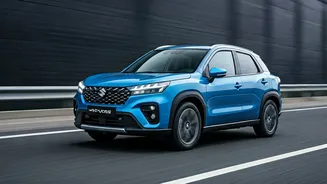
The competitive landscape of the automotive market continued to evolve, with certain manufacturers leading the way in terms of sales volumes. Maruti Suzuki held the top position in November car sales, demonstrating its continued dominance in the market. Following Maruti Suzuki, Tata Motors, Mahindra, and Hyundai secured significant market shares, highlighting their competitive positioning and strong consumer appeal. These manufacturers are at the forefront of the sector's growth, showcasing their ability to adapt to changing consumer demands and market conditions. This ranking emphasizes the dynamic nature of the industry and how key players compete to maintain and expand their market presence through strategic initiatives and product offerings.
Sales Fluctuations Noted
Although the market saw overall growth, not all manufacturers experienced a positive trend across the board. Bajaj Auto, for instance, reported a 1% decrease in two-wheeler sales for the month. This drop reflects the varied performance within the industry, as specific brands might be impacted by consumer preferences, market strategies, and any supply chain issues. The decline points out the challenges that individual manufacturers face in a dynamic market environment where several factors influence outcomes. Analyzing this fluctuation is essential to understanding the complex interplay of forces that define the automotive market, thereby allowing businesses to adapt and refine their strategies accordingly.