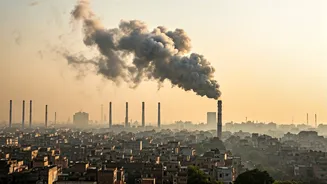

The Air We Breathe
Delhi's air pollution crisis is a complex issue, with numerous contributors. Vehicular emissions, industrial discharge, and construction activities are
primary sources. Seasonal factors, such as stubble burning in neighboring states during the winter months, worsen the situation. The city's geographical location also plays a role, with its landlocked nature trapping pollutants, leading to high concentrations. High population density and the associated increase in energy consumption further complicate matters, making Delhi one of the most polluted cities globally. This poses significant public health risks, from respiratory ailments to cardiovascular diseases. The local government and various organizations are actively involved in mitigation efforts, which are constantly evolving.
Sources of Pollution
Multiple factors contribute to Delhi's poor air quality. One major source is vehicular emissions. The vast number of vehicles on the roads, coupled with outdated engine technologies in some, releases significant pollutants. Industrial emissions are another significant contributor. Numerous factories and industrial plants release harmful substances into the atmosphere. Construction activities add to the problem; dust from construction sites and demolition contributes particulate matter. The practice of stubble burning in the surrounding states, particularly during the winter months, brings in large amounts of smoke. Furthermore, the use of solid fuels, like wood and coal, for cooking and heating in certain areas generates emissions. These multiple sources, acting together, create a toxic mix that regularly exceeds safe air quality levels, leading to health hazards.
Health Impacts Explained
The effects of Delhi's air pollution on public health are severe and wide-ranging. The most immediate impacts are on the respiratory system. People experience increased instances of asthma, bronchitis, and other respiratory illnesses. Prolonged exposure to polluted air can lead to serious cardiovascular problems, including heart attacks and strokes. Children and the elderly are especially vulnerable, as their lungs are still developing or are weakened. The constant presence of pollutants in the air also increases the risk of lung cancer and other chronic diseases. The long-term effects also extend beyond physical health. Reduced air quality can influence mental health and overall well-being. Consequently, pollution-related health costs, including medical treatment and lost productivity, place a significant burden on the city and its citizens.
Mitigation Strategies
Various strategies have been implemented to combat air pollution in Delhi. The government has taken steps to promote electric vehicles and improve public transportation networks to curb emissions from vehicles. Strict regulations have been enforced on industries to reduce emissions. The construction industry is now subject to tighter dust control measures. Efforts are made to control stubble burning through incentives and raising awareness among farmers. The government has implemented the Graded Response Action Plan (GRAP), a set of emergency measures triggered by pollution levels. Planting trees and creating green spaces are aimed at improving air quality by absorbing pollutants. Public awareness campaigns and educational programs are essential to encourage individuals to take personal actions, such as avoiding the use of private vehicles when possible, and contributing to the city's effort to create a cleaner environment.
Challenges & Future
Despite ongoing efforts, significant challenges remain in the fight against Delhi's air pollution. Coordinating efforts across various agencies and stakeholders, including neighboring states, is a complex endeavor. The rapid growth of the city and its population continues to strain resources. The weather conditions and seasonal factors contribute to the problem. Public awareness and participation are necessary for effective outcomes. For the future, comprehensive and sustainable solutions are needed. Investing in cleaner energy sources, enhancing public transportation, and adopting advanced technologies for pollution monitoring are essential. Encouraging active citizen participation in the decision-making process is necessary. Continuous innovation and adaptation of strategies, with sustained efforts from both government and citizens, are required to improve Delhi's air quality, safeguarding public health and improving the quality of life.