





When to Watch
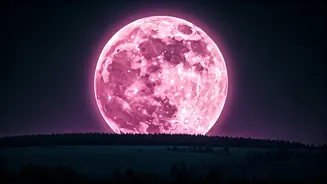
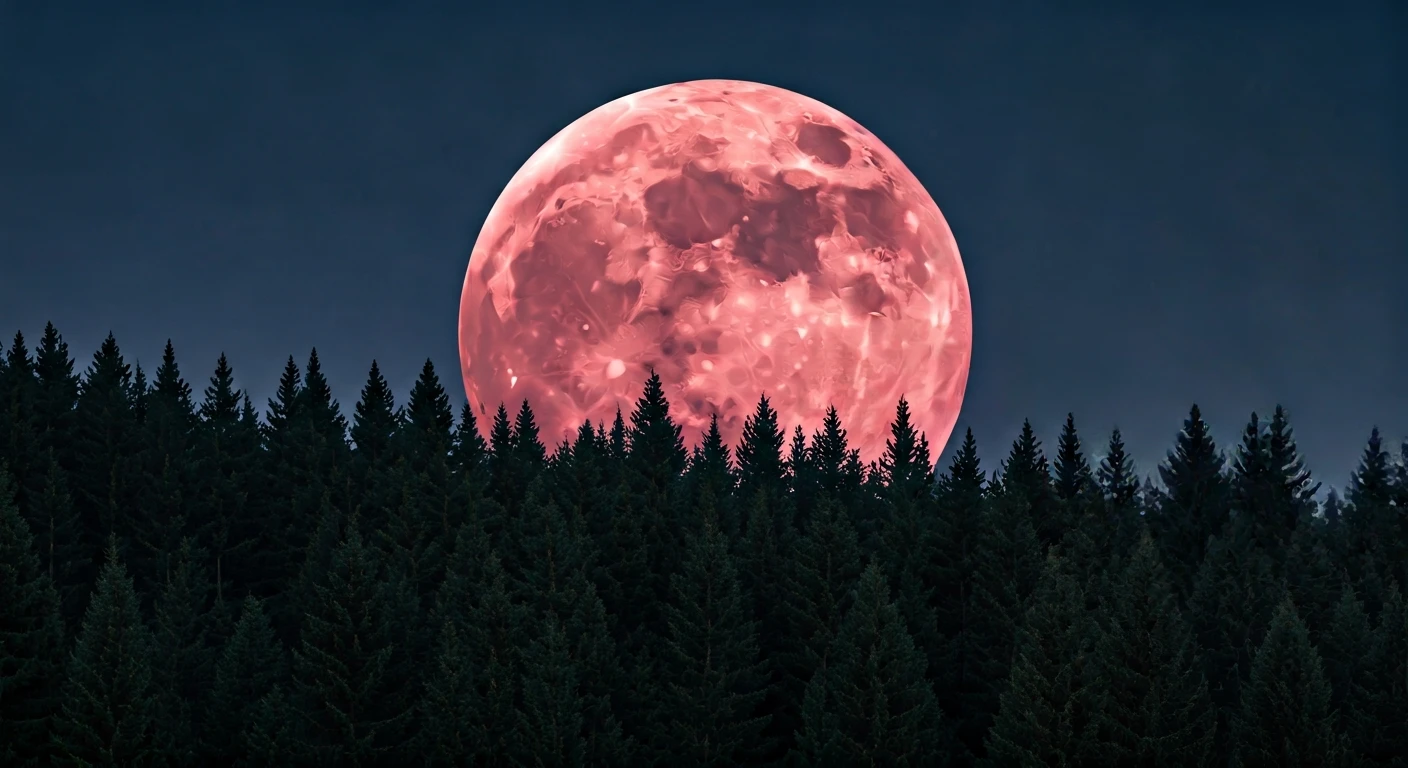
Mark your calendars for April 1, 2026, as the sky will host the radiant Pink Moon. This celestial event reaches its zenith at precisely 10:12 PM Eastern
Time on that date. For those in other U.S. time zones, this translates to 9:12 PM Central Time and 7:12 PM Pacific Time. However, if you're in India, the moon will achieve its fullest phase at 7:42 AM Indian Standard Time on April 2, 2026. To truly appreciate its grandeur, seek out a location far from urban light pollution. Position yourself to observe its ascent in the eastern or southeastern sky, as at this point, it often appears magnified due to the well-known 'moon illusion,' a fascinating optical trick that makes it seem larger than it is.
Pink Moon's Name
The intriguing moniker 'Pink Moon' doesn't signify a change in the moon's actual color; rather, it's deeply rooted in nature. This appellation originates from the vibrant blooming of a specific springtime flower known as moss pink, or scientifically, creeping phlox. Indigenous American tribes and early European settlers bestowed this name upon the full moon of April, correlating it with the emergence of this beautiful blossom. Although the moon itself will shimmer with a lovely golden hue, it prominently heralds the arrival of spring and is recognized as the inaugural full moon of the season. It also holds significance as the Paschal Moon, a designation crucial in calendrical calculations for determining the date of Easter.
Artemis II Connection
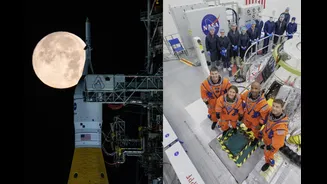
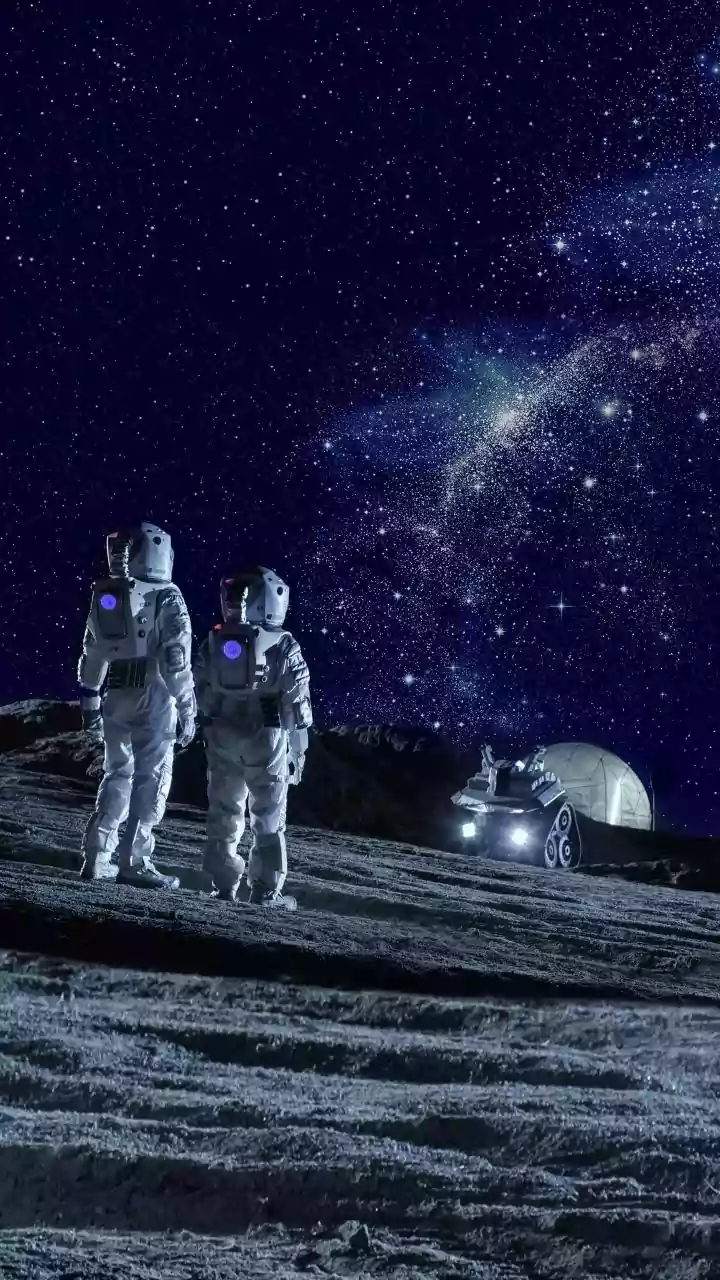
Adding an extra layer of cosmic excitement, the April 2026 Pink Moon's appearance coincides with a significant milestone in space exploration: NASA's Artemis II mission. This pioneering endeavor marks the first time a crew will journey around the Moon since the Apollo 17 mission concluded in 1972. The Artemis II mission is a crucial preparatory step for humanity's return to the lunar surface, with ambitions to land astronauts back on the Moon by the year 2028. Witnessing the Pink Moon ascend while anticipating such a monumental human endeavor creates a unique and inspiring connection between our terrestrial observations and our outward reach into the cosmos.
Viewing Tips
Experiencing the splendor of the Pink Moon requires no specialized equipment, making it an accessible wonder for everyone. For an optimal viewing experience, the key is to find an open area, ideally one with minimal artificial light. Observing the moon as it begins its ascent in the eastern sky is particularly rewarding, as it often appears larger and more luminous during this phase. If you plan to spend an extended period marveling at the celestial display, consider bringing along blankets or chairs for comfort. While not essential, a pair of binoculars or a telescope can offer a more magnified perspective for those who wish to see finer details. Crucially, check your local weather forecast to ensure clear skies for an unobstructed view of this captivating lunar event.