







Barrier-Free Travel Explained
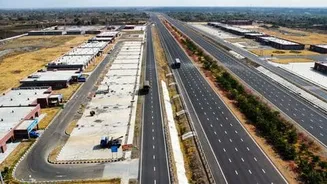
India is ushering in an era of smoother highway journeys with its advanced Multi-Lane Free Flow (MLFF) toll system. This innovative infrastructure eliminates
traditional toll booths, allowing vehicles to pass through toll points without any need to stop or slow down. The entire process is automated, relying on sophisticated overhead gantries equipped with cameras and sensors. These systems meticulously scan and identify vehicles, reading their FASTags in real-time to deduct the appropriate toll charges. This technological leap is designed not just to speed up travel but also to significantly reduce traffic congestion and enhance fuel efficiency for commuters across the nation. The success of this modern approach hinges on the reliable functioning of FASTags and accurate vehicle identification.
What is an e-Notice?
In the absence of physical toll barriers, the MLFF system relies heavily on the electronic toll collection mechanism. When a vehicle passes through an MLFF corridor and a toll transaction either fails, is missed, or isn't successfully recorded for any reason, the system automatically generates an electronic notice, or 'e-Notice.' This digital alert is a crucial communication tool, logging the vehicle's passage and associating it with the vehicle's registration details. It serves as an official notification to the vehicle owner, informing them of the outstanding toll amount and providing a specific period to settle the dues before penalties are applied. This system ensures accountability and compliance in a barrier-free environment.
The 72-Hour Payment Window
The National Highways Authority of India (NHAI) has clearly defined a grace period for settling missed toll payments under the MLFF system. Motorists who receive an e-Notice are granted a crucial 72-hour window, starting from the time the notice is issued, to clear their pending toll charges. If the payment is successfully made within this 72-hour timeframe, the vehicle owner is only required to pay the original, normal toll amount – a single charge (1x). However, failing to complete the payment within this stipulated period results in a significantly higher charge. After the 72-hour deadline passes, the toll amount automatically doubles to a two-times (2x) charge. It is important to note that this escalated charge is not a penalty for using the MLFF road itself, but rather a consequence of not resolving the unpaid toll within the designated timeframe.
Making Your Payment Online
To facilitate convenient and secure payment of pending MLFF toll dues, vehicle owners can utilize the official National Informatics Centre (NIC) portal. Accessing your e-Notice and completing the payment process is straightforward. You will need to log in to the portal using your vehicle's registration number. For authentication and to ensure the information is sent to the correct individual, an One-Time Password (OTP) will be dispatched to the mobile number registered with the VAHAN system. Upon successful authentication, you can view the details of your e-Notice and proceed with the online payment. NHAI strongly advises all motorists to exclusively use this official portal to guarantee the accuracy of information and the security of their transactions. The portal also provides a channel to raise disputes if an e-Notice is believed to have been issued erroneously.
Proactive Steps for Smooth Travel
To ensure a consistently smooth and hassle-free experience with the MLFF toll system, NHAI recommends that motorists take several proactive measures. Firstly, it is essential to keep your FASTag account active at all times, ensuring it is functional and ready for transactions. Secondly, maintaining an adequate balance in your FASTag wallet is crucial to prevent any payment failures. Thirdly, ensuring your vehicle is equipped with a High Security Registration Plate (HSRP) aids in accurate vehicle identification by the system. Finally, regularly monitoring the alerts and notifications sent to your registered mobile number can help you stay informed about your FASTag status and any potential issues, allowing for timely intervention and avoidance of penalties. User awareness and diligent digital compliance are key to the effective operation of this advanced tolling infrastructure.