
EV Ecosystem Expansion
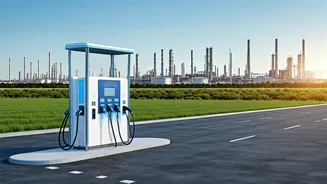
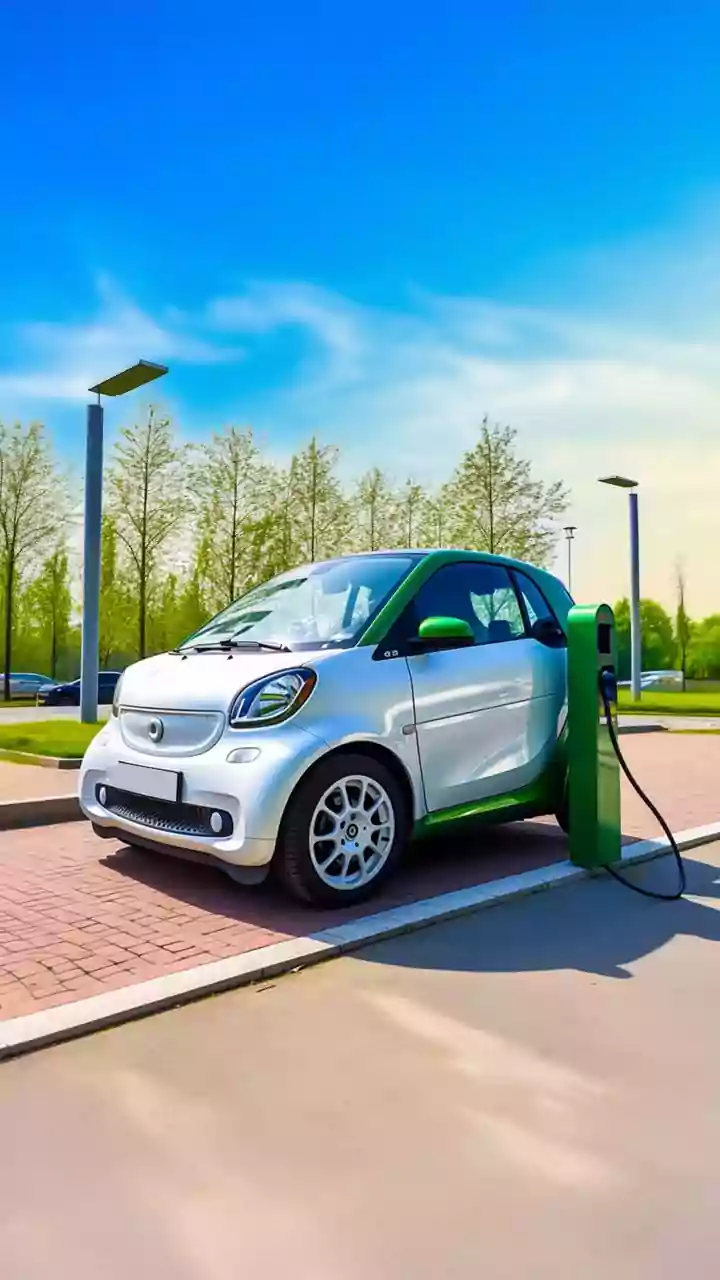
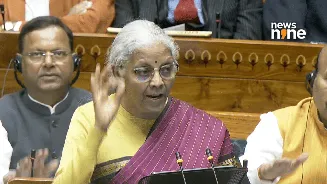
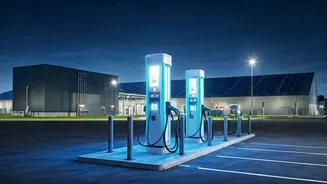
The Indian government showcased its commitment to expanding the electric vehicle (EV) ecosystem during the budget. The Finance Minister emphasized the strengthening
of EV infrastructure by supporting the manufacturing and setting up of charging stations. The budget plans to encourage the adoption of e-buses for public transport, providing security mechanisms for payments. This is a step towards a greener, more sustainable public transportation system. By promoting EV adoption, the government aims to reduce emissions and foster innovation in the automotive sector. This will create job opportunities for the youth.
Boosting Battery Production
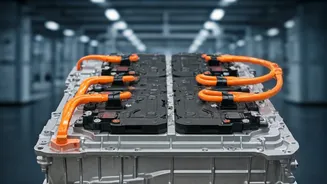
To boost domestic manufacturing, the budget proposed the addition of capital goods for EV battery manufacturing. A total of 35 additional capital goods were introduced to aid in EV battery production, alongside 28 new capital goods to be used for mobile phone battery manufacturing, that were added to the list of exempted capital goods. The Finance Minister stated that these steps would help in domestic manufacturing of lithium-ion batteries. This initiative is designed to reduce the reliance on imports and boost the production of lithium-ion batteries, which are essential components for both electric vehicles and mobile phones, thereby boosting local industry.
Critical Mineral Exemptions
In an attempt to secure the availability of essential raw materials, the budget proposed to fully exempt Basic Customs Duty (BCD) on cobalt powder, lithium-ion battery waste, scrap, lead, zinc, and 12 other critical minerals. The Finance Minister explained that these exemptions would support manufacturing within India, simultaneously promoting employment opportunities for the youth. This is in addition to the 25 critical minerals which were exempted from BCD in the July 2024 Budget. This strategic move aims to lower production costs and increase the availability of crucial materials for the automotive and electronics industries.
Tax Relief for Claimants
A significant announcement in the budget brought relief for individuals involved in motor vehicle accidents. The Finance Minister declared that the tax deducted at source (TDS) on interest awarded by the Motor Accident Claims Tribunal to a natural person would be fully exempt from income tax in the financial year 2026-27. This means that beneficiaries will receive their entire compensation without any tax deductions. This move is aimed at ensuring greater financial security for victims of accidents and streamlines the disbursement process, reinforcing the government's commitment to citizen welfare and justice for the affected individuals.
CBG Blending Mandate
The Union Budget 2026 also announced a mandate for the phased blending of Compressed Biogas (CBG) with Compressed Natural Gas (CNG) for transport purposes and Piped Natural Gas (PNG) for domestic uses. This initiative represents a push toward sustainable and environment-friendly practices within the country. The integration of CBG into the existing natural gas infrastructure can help decrease the reliance on fossil fuels, cutting emissions, and improving air quality. The government plans to implement this initiative gradually to ensure a smooth transition and broader adoption, driving forward its commitment to a greener India.