





Full Tank Precision
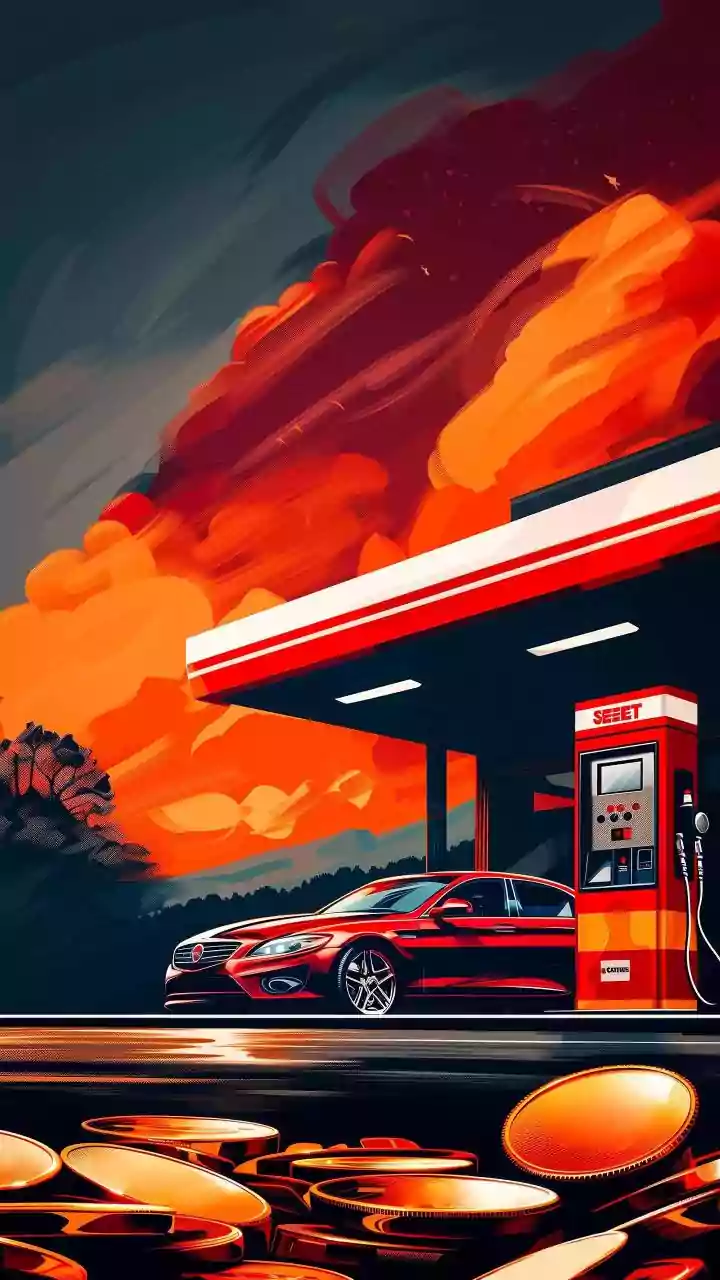
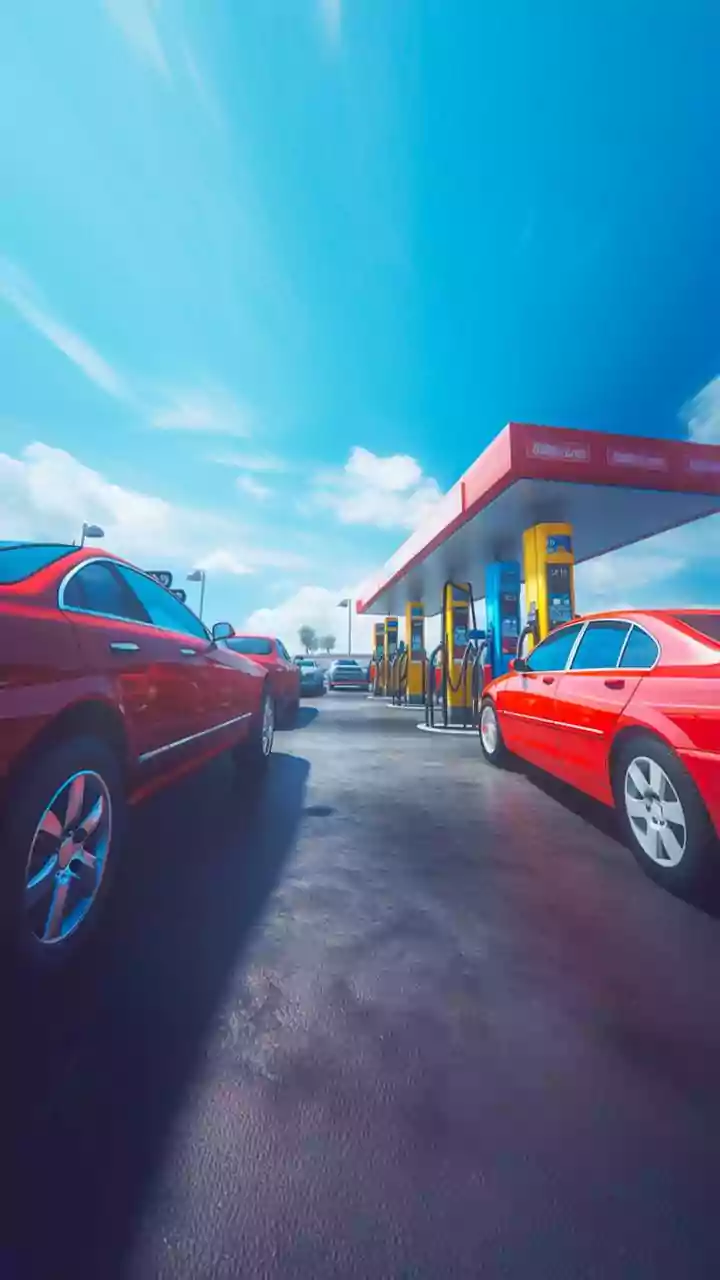
To begin, visit your preferred fuel station and fill your car's fuel tank completely. Ensure you use the same pump and dispenser you intend to use for
subsequent refills to maintain consistency. The automatic cut-off feature on most fuel nozzles is useful here; fill until it stops automatically. Crucially, make a note of the exact quantity of fuel that was dispensed into your tank.
Zero Out Trip Meter
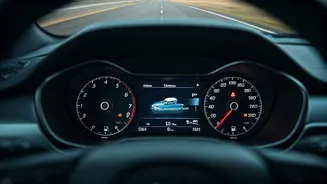
Once the fuel tank is filled to its maximum capacity, the next vital step is to reset your car's trip meter to zero. This meter, usually found on the instrument cluster, will be instrumental in tracking the distance covered during your mileage test. Ensuring it's precisely at zero before you start driving is key to an accurate calculation.
Embark on a Drive
With a full tank and a reset trip meter, it's time to drive your car as you normally would. For a reliable result, aim to cover a minimum distance of 250 to 300 kilometers. This duration might span a few days depending on your driving habits. The objective is to consume a significant portion of the fuel, allowing for a more accurate measurement of fuel consumption when you next refuel.
Adhere to Speed Limits
While driving, it's essential to maintain a consistent speed and, importantly, adhere to the prescribed speed limits. Driving at higher speeds generally leads to increased fuel consumption. By driving conservatively within the speed limits, you'll get a more realistic representation of your car's fuel economy under typical driving conditions. Continue this until the fuel tank is nearly empty.
Calculate Your Mileage
After you've used most of the fuel in your tank, it's time for the final calculation. Divide the total distance recorded on your trip meter (in kilometers) by the amount of fuel you added during the initial fill-up (in liters). This will give you your car's actual mileage in kilometers per liter (kmpl). The formula is straightforward: Mileage = Kilometers Driven / Fuel Consumed.