






Historic Trade Agreement
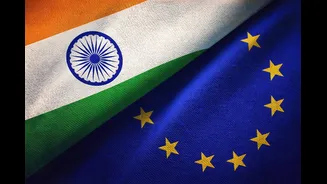
The trade agreement between India and the European Union, a development of considerable importance, has been widely characterized as a 'historic' milestone.
It significantly altered the established rules and practices of international trade. This deal, a complex interplay of political will and economic strategy, represents a substantial shift in global trade dynamics. The agreement's impact extends far beyond the immediate exchange of goods and services, influencing geopolitical relations and setting precedents for future trade negotiations around the world. The repercussions of this agreement will be felt by businesses, consumers, and governments alike, underscoring its broad significance.
Impacts On Economies
The economic impact of the India-EU trade agreement is multifaceted, affecting various sectors and creating new opportunities and challenges. Businesses can expect modifications in trade tariffs, quotas, and regulatory standards. These changes can provide enhanced access to larger markets, which can foster competition and efficiency, and potentially lower consumer prices. Furthermore, the agreement promotes investment and collaboration between India and the EU, opening avenues for technology transfer, knowledge sharing, and joint ventures. This partnership also impacts employment, potentially creating jobs in both regions, and stimulates economic growth. However, it also presents challenges, as domestic industries may face increased competition from foreign companies. Adaptability and strategic planning are essential for businesses looking to capitalize on the advantages and mitigate the risks associated with this evolving trade landscape.
For Global Commerce
The India-EU trade agreement holds considerable significance for the evolution of global commerce. It establishes a model for future trade agreements. The agreement could provide incentives for the reduction of trade barriers and the promotion of free trade principles on a global scale. This is vital given the rising trend of protectionist measures and trade conflicts. The partnership also enhances the influence of both India and the EU in international trade negotiations, empowering them to jointly shape global trade policies and regulations. By encouraging cooperation, the agreement supports the growth of multilateral trade institutions and promotes a more stable and predictable international trade system. Additionally, the deal can help diversify trade routes and reduce dependency on single markets, thereby making the global trade network more resilient to economic shocks and geopolitical instability.
Changes For You
For consumers and businesses, the India-EU trade agreement brings about several changes and opportunities. Consumers might encounter a wider array of products and services, likely at more competitive prices, due to reduced tariffs and improved market access. Businesses can experience a streamlined trading environment, which could reduce bureaucratic hurdles and the costs associated with international trade. The agreement encourages innovation and efficiency, pushing companies to adapt and enhance their operations. This partnership will foster collaboration between businesses from India and the EU. Furthermore, the agreement promotes mutual recognition of standards and certifications, reducing trade barriers and supporting fair competition. These advancements have implications for everyday life and create a favorable atmosphere for economic growth and global integration.