





Project Nears Completion
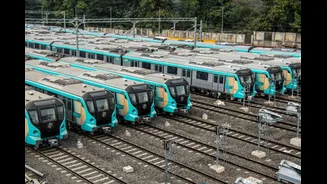
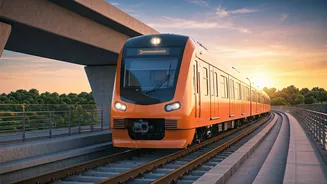
After navigating years of setbacks and slower-than-anticipated progress, a promising new timeline has emerged for Mumbai Metro Line 5, also known as the
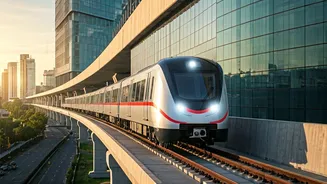
Orange Line, within the Mumbai Metropolitan Region. Officials are now projecting that the initial segment, connecting the key areas of Thane and Bhiwandi, could commence passenger services by December 2026. This development offers a beacon of hope for countless commuters who have been awaiting improved transportation options for an extended period. The groundwork and essential technical preparations for this crucial stretch are reportedly in their advanced stages, indicating a strong push towards finalization. This renewed focus aims to alleviate the daily travel burdens faced by residents and enhance overall regional connectivity, marking a significant milestone for urban infrastructure development.
Infrastructure and Planning
A recent high-level meeting at the municipal headquarters, presided over by Mayor Narayan Chaudhary, delved into critical aspects of traffic management and Metro-related infrastructure planning. The session brought together senior officials overseeing the ambitious Metro Line 5 project. During this important discussion, the progress achieved so far was meticulously reviewed, any existing bottlenecks were identified, and strategies were formulated to ensure a more streamlined execution of the remaining work in the coming months. Following the meeting, a comprehensive site inspection was conducted along a pivotal under-construction segment between Anjurphata and Dhamankar Naka, which forms a vital part of the first phase. This inspection was crucial for assessing the on-ground progress and pinpointing areas that require immediate attention to maintain the project's momentum and adherence to the revised schedule.
Development Blueprint
Beyond the immediate Metro line, officials from the Mumbai Metropolitan Region Development Authority (MMRDA) have put forth an extensive infrastructure blueprint designed to foster the comprehensive development of Bhiwandi. This ambitious plan carries an estimated cost of Rs 3,771 crore and is slated for phased implementation over three stages. Its primary objective is to accelerate the completion of several long-standing civic projects crucial for the area's growth. Key components of this blueprint include significant road widening initiatives, particularly beneath the elevated Metro corridor, and substantial upgrades along the heavily trafficked Kalyan Road stretch. These enhancements are deemed essential for effectively alleviating traffic congestion and significantly improving overall connectivity within and around Bhiwandi, making it a more accessible and functional urban center.
Civic Responsibilities
While the introduction of the Metro project has been widely welcomed, Mayor Narayan Chaudhary has underscored the importance of maintaining the areas surrounding the new Metro corridor. He has strongly urged the Metro authorities to assume full responsibility for ensuring the cleanliness and upkeep of these adjacent zones, highlighting the need for a well-maintained environment. Concurrently, Civic Commissioner Anmol Sagar has identified promising avenues for revenue generation to benefit the local administration. He proposed leveraging the vast spaces available on Metro pillars for advertisements, suggesting this as a viable and consistent source of income for the civic body. This dual focus on public amenity and financial sustainability reflects a holistic approach to integrating the Metro project with the community's broader needs.
Bridging Connectivity Gaps
Currently, Bhiwandi faces a notable challenge due to its lack of direct suburban railway access to Mumbai, compelling daily commuters to rely on bus services or indirect routes that often involve transit through Thane or Kalyan. The impending completion of Metro Line 5 is set to dramatically transform this situation. By offering a significantly faster and more dependable transportation alternative, the Metro is expected to substantially ease the daily commute for a large segment of the population. This improved connectivity will be particularly beneficial for individuals traveling to and from Mumbai, reducing travel time and enhancing the overall quality of life for residents dependent on these routes.
Project Origins and Delays
The journey of Metro Line 5 has been a protracted one, with its initial approval granted by the MMRDA back in 2017 and a formal inauguration ceremony by Prime Minister Narendra Modi in 2018. However, the construction phase, which commenced in 2020, has been marked by considerably slow progress, leading to growing frustration among both residents and regular commuters. Adding to these concerns, the commencement of work on the second phase of the corridor is still pending, raising further questions and anxieties regarding the eventual completion of the entire Metro route. This history of delays underscores the importance of the current efforts to finalize the first phase by the end of 2026.