




New Delhi: Two Indian nationals are among 28 green card holders charged with alleged election-related offences in California, including fraudulent voter
registration and illegal voting in US elections. The charges were announced by the US Department of Justice on October 19 as part of a crackdown called ‘Operation Protect the Vote’.
The Justice Department said that the two Indians have been identified as Amandeep Kaur, 30, and Kamlesh Navnitlal Shah, 67. Kaur, a resident of Rancho Palos Verdes who is seeking US citizenship, allegedly registered to vote in December 2022 and cast a ballot in the November 2024 election. Shah, who lives in Sacramento, allegedly registered and voted on the day of the November 2024 general election.
Federal authorities said 11 of the 28 accused were arrested during early-morning operations across California. It was not immediately clear whether Kaur and Shah were among those arrested.
What are the charges against the accused?
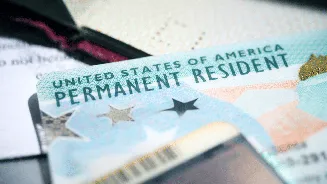
The Justice Department said all 28 accused are lawful permanent residents, commonly known as green card holders, rather than US citizens. Although green card holders can legally live and work in the United States, they cannot vote in federal elections.
The charges include allegedly making false statements in naturalisation applications and fraudulent voter registration. Some defendants face felony charges carrying a maximum sentence of five years in prison, while others face separate charges related to voting as non-citizens.
All the allegations remain subject to judicial proceedings, and the accused are presumed innocent unless proven guilty.
Trump administration’s wider voter fraud push
The arrests come amid a growing dispute between the Trump administration and California over alleged non-citizen voting. On October 15, the Justice Department sued California over its voter rolls, claiming that more than 20,000 people were likely non-citizens registered to vote. Federal officials said the state had declined to help set aside ballots linked to individuals whose citizenship needed verification.
California officials have disputed the suggestion that such cases demonstrate widespread voter fraud. State Attorney General Rob Bonta has said isolated cases should be prosecuted but has rejected claims of widespread wrongdoing.
The latest cases have therefore added to an ongoing legal and political battle over voter eligibility, election administration and the federal government’s role in overseeing elections.