









New Deli: As monsoon rains bring a seasonal rise in mosquito-borne illnesses and respiratory infections, fever is once again becoming a common complaint,
but identifying its cause is not always straightforward. Dr Prateek Kadian, Consultant Medicine, Maccure Hospital, New Delhi, while talking to News9 Live, says the early symptoms of dengue, influenza and other infections can overlap considerably, making it risky to diagnose the illness based on fever or body ache alone.
“In the first few days, dengue, influenza and other viral infections can look remarkably similar. The pattern of symptoms, the duration of fever and the patient’s overall condition matter much more than one isolated symptom.” explains Dr Prateek Kadian, Consultant Medicine, Maccure Hospital, New Delhi.
Dengue or H1N1: What symptoms offer a clue?
Dengue commonly causes high fever, severe headache, muscle and joint pain, pain behind the eyes, nausea, vomiting and sometimes a rash.
Influenza, including influenza A strains historically referred to as H1N1, typically has a more prominent respiratory component, with sudden fever or chills, cough, sore throat, runny or blocked nose, headache, body aches and fatigue. However, not every patient develops every symptom, and influenza can occur without fever.
That overlap is what makes self-diagnosis unreliable.
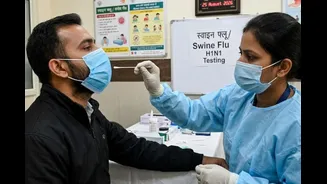
Dr Prateek says, “A very high fever does not automatically mean dengue, and a moderate fever does not rule it out. Similarly, the absence of cough does not completely exclude influenza. When symptoms overlap, testing and clinical assessment become important.”
Can dengue, malaria and chikungunya look alike
Yes. Malaria can begin with fever, chills, headache, body aches, weakness, nausea or vomiting which resemble both dengue and influenza. WHO recommends prompt testing for suspected malaria, using microscopy or a rapid diagnostic test, because early treatment can prevent progression to severe disease.
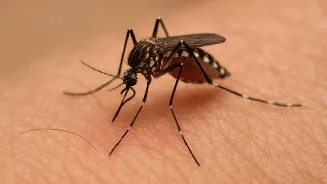
Chikungunya can also cause fever and body pain, but prominent joint pain is particularly characteristic. Importantly, chikungunya and dengue can circulate in the same areas because both are transmitted by Aedes mosquitoes, making laboratory confirmation particularly useful when symptoms are unclear.
When should fever not be ignored
The duration or intensity of fever alone does not determine whether an infection is dangerous. With dengue, warning signs can appear around the time the fever starts settling. Severe abdominal pain, persistent vomiting, rapid breathing, bleeding from the gums or nose, blood in vomit or stools, marked weakness, restlessness or pale, cold skin require urgent medical attention.
Reduced urine output, dizziness, breathing difficulty or unusual drowsiness should also prompt medical evaluation.
“The important thing is not to wait for a particular fever number before seeking care. If the patient is deteriorating, unable to maintain fluids, becoming unusually weak or developing warning signs, medical evaluation should be prompt.”, told Dr Kadian.
Why self-medication can be risky
Antibiotics do not treat viral infections such as dengue or influenza and should not be taken randomly. For someone who may have dengue, WHO advises avoiding aspirin and non-steroidal anti-inflammatory drugs such as ibuprofen because they can increase bleeding risk; paracetamol is generally preferred for fever and pain, subject to appropriate medical advice and dosing.
The same caution applies when chikungunya is suspected but dengue has not yet been ruled out.
Ultimately, there is no single symptom that can reliably separate dengue from influenza, malaria or chikungunya in the early phase. A doctor may consider the clinical picture, local disease activity, exposure history and appropriate laboratory tests before deciding on treatment.
The monsoon message is simple: don’t guess the infection, watch the patient, recognise warning signs and get tested when clinically indicated.