









Paris: France is witnessing rapidly growing youth-led protests over problems in its education system across the country. What began as a small demonstration
in northern Paris in September has spread to schools, with hundreds of institutions reportedly disrupted.
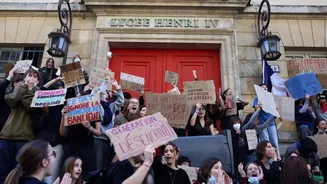
The protests initially focused on overcrowded classrooms, staff shortages and inadequate school facilities. Students joined teachers demanding more resources and better working conditions. At Saint-Exupéry High School in Paris, an early protest on September 21 drew attention to shortages of teachers and other staff. Although additional personnel were reportedly provided and the immediate protest ended, similar demands soon emerged at other schools.
How did the protests turn violent?
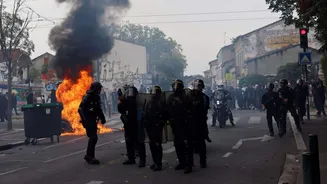
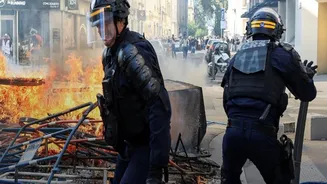
As the movement expanded, students began blocking school entrances and erecting barricades. Reports emerged of rubbish bins being set on fire, clashes with police and attacks involving teachers. More than 100 high schools have reportedly suffered damage.
The escalation has also resulted in injuries. Reports cited by international media describe students being hurt during clashes and incidents involving tear gas and explosive devices. Authorities have arrested thousands of people, with minors reportedly accounting for a large majority of those detained.
France’s education minister has blamed the violence on a small group of violent protesters, while some opposition figures have rejected claims that the movement was orchestrated by far-left political groups.
Why has the issue spread nationwide?
Students say France’s education problems are not new. They point to overcrowded schools, insufficient teaching staff, cancelled classes and deteriorating infrastructure. Critics argue that the government’s response has been too slow to address longstanding problems.
The unrest comes as France faces wider economic and social pressures, including high public debt, rising spending on pensions and healthcare, and increased defence expenditure.
The student protests are therefore part of a broader wave of labour and social discontent. Public-sector workers, firefighters, healthcare employees and fishermen have also staged protests over wages, spending and working conditions.
The rapid spread of the Gen-Z-led movement highlights growing frustration among young people who believe France’s education system needs significant investment and structural reform.