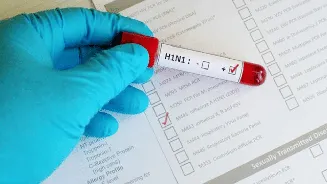










New Delhi: H1N1 cases are rising in Delhi, with 1,344 cases reported this season. As influenza activity increases, symptoms such as fever, cough and body
aches may be mistaken for a common cold. However, influenza can develop differently and may cause more intense symptoms. Knowing how the illness begins, which symptoms tend to be more pronounced and which warning signs require medical attention can help people respond appropriately.
H1N1 vs common cold
Influenza often begins suddenly. A person may feel well and then develop fever, chills, muscle aches, headache, dry cough and marked fatigue within a short period.
A common cold usually develops gradually, with sneezing, a runny or blocked nose and throat irritation more prominent. Fever is often absent or mild. However, symptoms can overlap with other viral infections, so they cannot confirm H1N1 on their own.
Sudden onset matters
The abruptness of illness can be an important clue. A combination of high fever, dry cough, severe body aches and sudden exhaustion is more suggestive of influenza, particularly when flu activity is high.
Dr Datta Nirgude, Consultant Physician at Ruby Hall Clinic, Pune, in an article by India Today said the sudden onset of symptoms is an important factor doctors consider when assessing possible H1N1 infection.
Fever and body aches
Influenza can cause high fever along with pronounced muscle aches, chills, headache and extreme tiredness. Colds generally produce milder body pain and may not cause fever.
A dry cough is also commonly associated with influenza, while sneezing, nasal congestion and a runny nose are more typical of a cold. No single symptom, however, can establish the infection.
Children and high-risk groups
Some children with influenza may also experience vomiting or diarrhoea, according to Dr Nirgude. Parents should monitor breathing, fluid intake, alertness and activity levels alongside respiratory symptoms.
Pregnant women, older adults, young children and people with diabetes or chronic heart, lung or kidney disease face a higher risk of complications. People with weakened immunity and those with obesity may also be more vulnerable, said the doctor.
Warning signs
Breathlessness, chest pain, persistent high fever, confusion, bluish lips, low oxygen saturation or significant worsening require prompt medical evaluation. Anyone who improves initially but then develops renewed fever, breathing difficulty or marked weakness should also seek medical attention.
Testing and treatment
Symptoms can suggest influenza but cannot confirm H1N1. When required, RT-PCR can detect the infection, with testing decisions based on the patient’s symptoms, risk factors and clinical condition.
Antiviral medicines may be prescribed for high-risk patients or those with moderate to severe illness. Oseltamivir works best when started early, ideally within 48 hours of symptom onset. Antibiotics do not treat influenza and are used only when a secondary bacterial infection is suspected.
Prevention
Annual influenza vaccination can help reduce infection risk. Regular handwashing, covering the mouth and nose while coughing or sneezing, avoiding close contact while unwell and staying home during illness can also help limit transmission.
Fever and cough should not automatically be dismissed as a common cold when influenza is circulating. The speed and severity of symptoms can offer useful clues, while serious or worsening symptoms warrant medical evaluation.