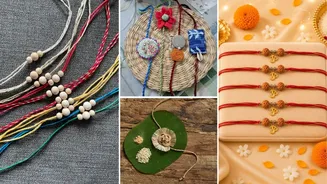



New Delhi: The calendar may say August, but for millions of Indian families, the real countdown to Raksha Bandhan begins when the rakhi boxes appear in markets,
sisters start hunting for the perfect thread and brothers quietly wonder what gift will finally pass the test. In 2026, however, one question is likely to dominate festive conversations: Is Raksha Bandhan on August 27 or August 28? The answer is clear – Rakhi will be celebrated on Friday, August 28, 2026, according to the Hindu lunar calendar and published panchang calculations.
Raksha Bandhan 2026 date: When is Rakhi
Raksha Bandhan 2026 will be observed on Friday, August 28. The festival falls on Shravana Purnima, the full-moon day of the Hindu month of Shravana. The date is also listed in India’s official government holiday calendar as Raksha Bandhan.
The apparent confusion comes from the fact that Purnima Tithi begins at 9:08 AM on August 27 and ends at 9:48 AM on August 28 in the New Delhi panchang. Since the appropriate Raksha Bandhan observance falls on August 28, that is the date families should mark for Rakhi celebrations.
Rakhi 2026 shubh muhurat
For New Delhi, the published Raksha Bandhan thread-ceremony window is:
- Raksha Bandhan: Friday, August 28, 2026
- Rakhi tying muhurat: 5:57 AM to 9:48 AM
- Purnima Tithi ends: 9:48 AM on August 28
- Purnima Tithi begins: 9:08 AM on August 27
The exact start time can vary slightly from city to city because sunrise and local panchang calculations differ.
Why is Raksha Bandhan celebrated
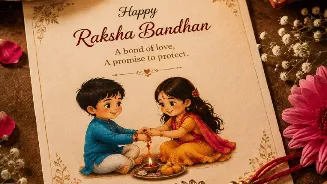
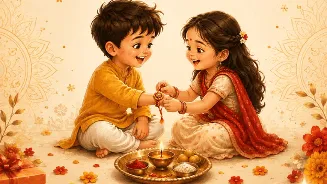
Raksha Bandhan celebrates the bond of affection, care and protection between siblings. Traditionally, a sister ties a rakhi — a sacred thread or bracelet — around her brother’s wrist, applies a tilak and offers prayers for his wellbeing. The brother, in turn, gives a gift and traditionally promises to stand by and protect his sister.
The festival’s meaning, however, extends beyond a simple brother-sister ritual. Historical and anthropological accounts show that rakhi traditions have varied across regions and communities, with sacred threads also being exchanged as symbols of protection, obligation and solidarity.
More than the thread, sweets or gifts, Raksha Bandhan remains a celebration of a relationship that changes with age but rarely loses its emotional pull – making the festival as much about coming home, reconnecting and showing up for one another as it is about ritual.