







New Delhi: Saudi Arabia, Turkey and Pakistan held high-level talks with Iranian officials in Tehran on Monday in a bid to prevent the Middle East conflict
from escalating further. The meeting came amid growing fears of renewed fighting between Iran and the United States, while attacks by Yemen’s Iran-backed Houthi rebels added to regional tensions.
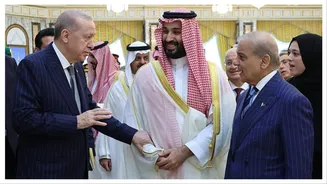
The talks marked the first high-level joint engagement between Iran and the three countries since they signed the Mecca mutual defence pact in August. The agreement aims to strengthen security cooperation among its members.
Saudi Arabia was represented by Defence Minister Prince Khalid bin Salman, Pakistan by Army Chief Field Marshal Asim Munir, and Turkey by intelligence chief Ibrahim Kalin. They met Iranian President Masoud Pezeshkian and other senior officials, including Foreign Minister Abbas Araghchi and security official Mohsen Rezaei.
Saudi Arabia said the visit was aimed at opening diplomatic channels to ‘prevent the return of military escalation’. Iranian officials said the four countries had agreed to continue discussions on regional cooperation, peace and security. However, no concrete agreement to end the conflict was announced.
An important meeting
The meeting focused on preventing a wider regional conflict and exploring ways to revive diplomatic efforts between Washington and Tehran. Discussions also covered Houthi attacks on Saudi Arabia, security in the Strait of Hormuz and the possibility of establishing a regional non-aggression arrangement.
Pakistan has played a key role in mediation between Iran and the United States, alongside Qatar. Earlier diplomatic efforts helped secure an interim peace agreement in June, but fighting resumed weeks later.
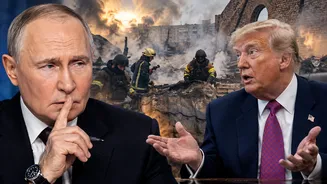
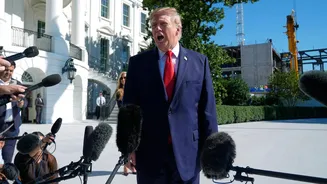
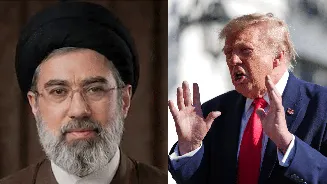
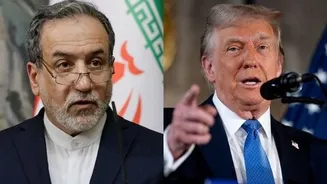
The latest talks come amid fears that the United States and Israel could launch fresh strikes against Iran. US President Donald Trump has indicated that Washington could consider another military operation, while Iranian officials have warned of a strong response to further attacks.
Tehran has also set conditions for renewed negotiations with Washington. These include ending the US blockade of Iranian ports and lifting sanctions on Iranian oil exports. Iran has indicated that its nuclear programme will not be discussed until its demands are addressed.
The diplomatic effort is significant for Saudi Arabia, which has faced growing security threats as the conflict spreads. Riyadh, Ankara and Islamabad are seeking to contain tensions before they trigger a wider confrontation involving more countries.
Houthi attacks raise pressure on Saudi Arabia
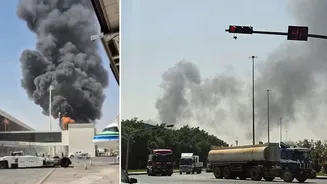
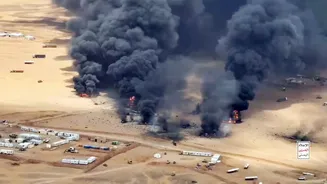
The talks took place as Yemen’s Iran-aligned Houthi rebels claimed fresh attacks on Saudi targets, including pumping stations along the kingdom’s East-West oil pipeline and Riyadh airport. Saudi Arabia had not immediately confirmed the latest claims.
The Houthis have stepped up attacks on Saudi Arabia in recent weeks, opening another front in the wider regional conflict. The group has targeted airports, ports and oil infrastructure, while Saudi forces have intensified operations against Houthi positions in Yemen.
The escalation has also prompted a response from Egypt. Its parliament on Monday authorised military support to help defend Saudi Arabia, if required. Cairo is a major political and financial partner of Riyadh.
The developments have raised concerns about the security of Gulf countries and energy supplies. The wider conflict has disrupted shipping through the Strait of Hormuz, a key route for global oil and gas shipments, and pushed up energy prices.