







New Delhi: Qatar has denied Iranian claims that it is secretly detaining three Iranian military pilots whose aircraft were shot down during hostilities
in March. Doha said the allegations were ‘misleading’ and maintained that its forces were not holding any surviving Iranian aircrew.
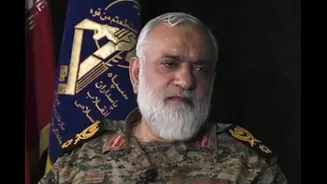
The dispute began after Iranian armed forces claimed that three pilots, Javad Salehi, Abdolmajid Dashtian and Omran Behraveshian, had been captured alive after their Su-24 fighter-bombers crashed in Qatar in March. Iranian General Mohammad Bagherzadeh reportedly wrote to the International Committee of the Red Cross, asking for international intervention and alleging that the pilots had been held without contact with their families or diplomatic representatives for six months.
Qatar’s Foreign Ministry rejected the claim. Spokesman Majed al-Ansari said Doha was ‘surprised’ by the allegations, particularly as diplomatic efforts were under way to reduce tensions in the region.
What happened to the Iranian pilots?
The incident took place during an Iranian attack on Al Udeid airbase in Qatar, which hosts US Central Command personnel and is one of Washington’s most important military installations in the region.
Qatar said its air-defence forces detected two Iranian Sukhoi Su-24 bombers after they entered Qatari airspace without authorisation. The aircraft allegedly failed to respond to warnings, prompting Qatari forces to engage them. Both aircraft were reported to have been shot down.
Doha said search-and-rescue teams later recovered the remains of one pilot, identified as Majid Kazemi. Qatar said it contacted Iranian authorities to arrange the repatriation of the remains and invited an Iranian team to visit the country in April to receive details about the search operation.
Iran had earlier acknowledged that one pilot had been killed and that others were missing. Its latest claim that three pilots were captured alive has therefore introduced a new point of contention between the two countries.
Why the dispute matter
The disagreement comes at a particularly sensitive time for Qatar, which has attempted to position itself as a mediator between Iran and the United States despite being drawn into the conflict.
Qatar was targeted during the wider wave of Iranian retaliation that followed the outbreak of the US-Israel war against Iran on February 28. The March confrontation also marked the first time a Gulf state reported shooting down Iranian military aircraft during the conflict.
The dispute also comes as efforts to revive US-Iran negotiations remain uncertain. Qatar continues to push for a diplomatic settlement, while tensions remain high around the Strait of Hormuz and regional shipping.
For Tehran, the fate of the pilots has now become another issue in its increasingly strained relationship with Doha. For Qatar, denying that it is holding Iranian military personnel is an attempt to prevent the dispute from further complicating already fragile regional diplomacy.