



New Delhi: Volcanic activity has once again highlighted the risks posed by eruptions with Indonesia facing major disruption from ash clouds while scientists
studying the 2022 Tonga eruption say underwater sound could offer a new way to detect tsunami threats.
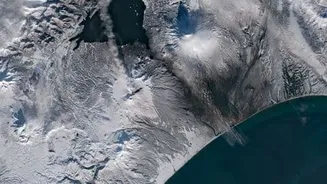
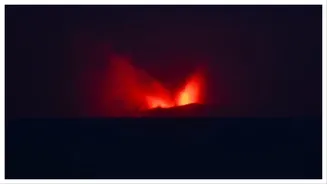
In Indonesia, Mount Anak Krakatau erupted on Sunday, sending volcanic ash as high as 50,000 feet over parts of Java and Sumatra. The ash forced the suspension of operations at Jakarta’s Soekarno-Hatta International Airport and disrupted hundreds of flights.
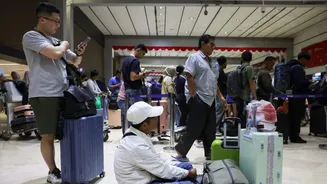
Airport operator Angkasa Pura said 301 flights were affected including 58 international services. Singapore Airlines cancelled flights to and from Jakarta for the rest of Sunday while AirAsia also cancelled or rescheduled services. Garuda Indonesia asked passengers to check their flight status before travelling to the airport.
🌋**Mount Anak Krakatau in Indonesia has erupted, leading to the cancellation of over 300 flights in 6 airports and the closure of schools,** according to Reuters.
The volcano reactivated on September 4th. Ash has already reached a height of 6,000 meters on the side of Java and… pic.twitter.com/YPMQ2iThCA
— Gianl1974 (@Gianl1974) September 6, 2026
Ash disrupts travel and daily life
The airport suspension followed runway checks that found a dangerous accumulation of volcanic ash. Several passengers were left waiting at the airport amid cancellations and delays.
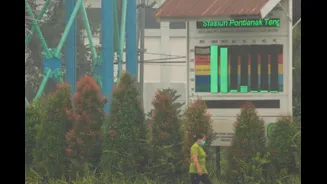
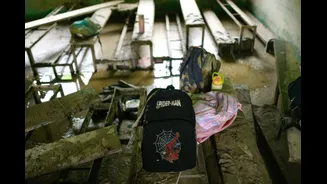
The effects were also felt outside the aviation sector. Some schools cancelled activities after students and residents complained of eye irritation while fishermen called off trips. Indonesia’s disaster mitigation agency BNPB advised people to wear masks and eye protection, limit outdoor activity and cover water sources.
Authorities said there was no immediate tsunami threat from Anak Krakatau. The volcano has remained at alert level 3, the second-highest level since July 2. Four other Indonesian volcanoes including Mount Semeru, Mount Merapi, Lewotobi Laki-laki and Sinabung are also at alert level 3.
Tonga eruption offers new warning clue
The risks from volcanic activity extend beyond ash and aviation disruption. Scientists studying the Hunga Tonga-Hunga Ha’apai eruption of January 2022 have identified an underwater acoustic signal that could help improve future tsunami warnings.
The eruption generated several types of waves and produced tsunamis through different processes including the underwater explosion, atmospheric pressure waves and the collapse of the volcano.
A fisherman was in the middle of the sea when Mount Anak Krakatau volcano suddenly erupted pic.twitter.com/3jPHjoBkRT
— Surajit (@surajit_ghosh2) September 4, 2026
Researchers found that the major collapse of the volcano produced a powerful underwater acoustic signal that travelled more than 2,000 kilometres. The signal provided important evidence about the timing and speed of the collapse which was linked to the destructive tsunami that followed.
Could underwater sound improve warnings?
Sound travels through seawater at roughly 1.5 kilometres per second, much faster than a tsunami. This difference could potentially give scientists valuable time to identify a dangerous underwater volcanic event before the resulting waves reach coastal areas.
Researchers say such a system would not replace existing earthquake, seismic or tsunami monitoring. Instead, acoustic data could provide another layer of information, particularly in areas where submarine volcanoes are difficult to observe.
The Tonga eruption showed why monitoring volcanic hazards can be complicated. A single eruption can involve explosions, underwater landslides, collapsing volcanic structures and atmospheric disturbances, all of which can contribute to tsunami formation.
Scientists are still studying how acoustic signals could be reliably identified and separated from other sounds in the ocean. But the findings from Tonga suggest that the ocean itself may carry an early warning signal before a volcanic tsunami arrives.
The two developments in Indonesia and Tonga underline the unpredictable nature of volcanic activity and the need for better monitoring systems, particularly as communities and transport networks remain vulnerable to the effects of major eruptions.