







New Delhi: At least 109 migrants, including 15 children, died after a boat carrying hundreds of people capsized off the coast of Djibouti while travelling
towards Yemen, the United Nations’ International Organization for Migration (IOM) said on Sunday.
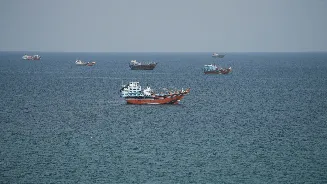
More than 116 people were reported missing following the incident, which took place near Guhere, north of the port town of Obock, during the night of October 8-9, according to accounts from survivors. The vessel was carrying hundreds of people, with reports putting the number at around 305 to 350.
The bodies recovered included 52 men, 42 women and 15 children, nine girls and six boys. More than 80 people survived the shipwreck, all of them Ethiopian nationals, according to the IOM’s initial account.
Djiboutian authorities continued search and rescue operations as concerns grew for those still missing. Local officials were also providing medical assistance to survivors and arranging burials for those who died.
IOM provides emergency assistance to survivors
The UN migration agency said its teams were working with local authorities to provide emergency assistance. The IOM was supporting survivors at its Migrant Response Centre in Obock, offering temporary shelter, healthcare, food, psychological support and help reconnecting with their families.
“This is a devastating loss of life,” Alexandre Coissac, the IOM’s chief of mission in Djibouti, said, expressing condolences to the families of those killed and those still awaiting news of missing relatives.
He said the tragedy highlighted the dangers faced by migrants travelling along the route in search of economic opportunities.
Why migrants risk the dangerous Djibouti-Yemen route
The crossing from the Horn of Africa to the Arabian Peninsula is a major migration route used by people, particularly from Ethiopia and Somalia, hoping to reach wealthier Gulf countries for employment and better living conditions.
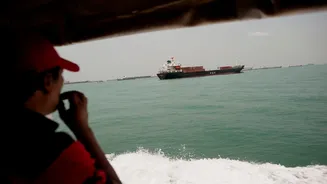
Migrants cross the Gulf of Aden and the Bab el-Mandeb Strait to reach Yemen, often despite the risks posed by overcrowded boats, trafficking and regional instability. The journey remains dangerous even as conflict and insecurity continue to affect parts of the region.
The IOM said poverty, insecurity and the growing effects of climate change were among the factors driving people to undertake the perilous journey.
The latest disaster has again drawn attention to the risks faced by migrants attempting the crossing, with rescue operations continuing amid fears that the death toll could rise.