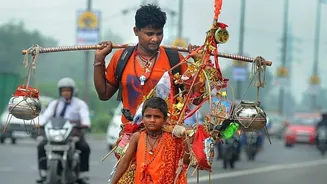






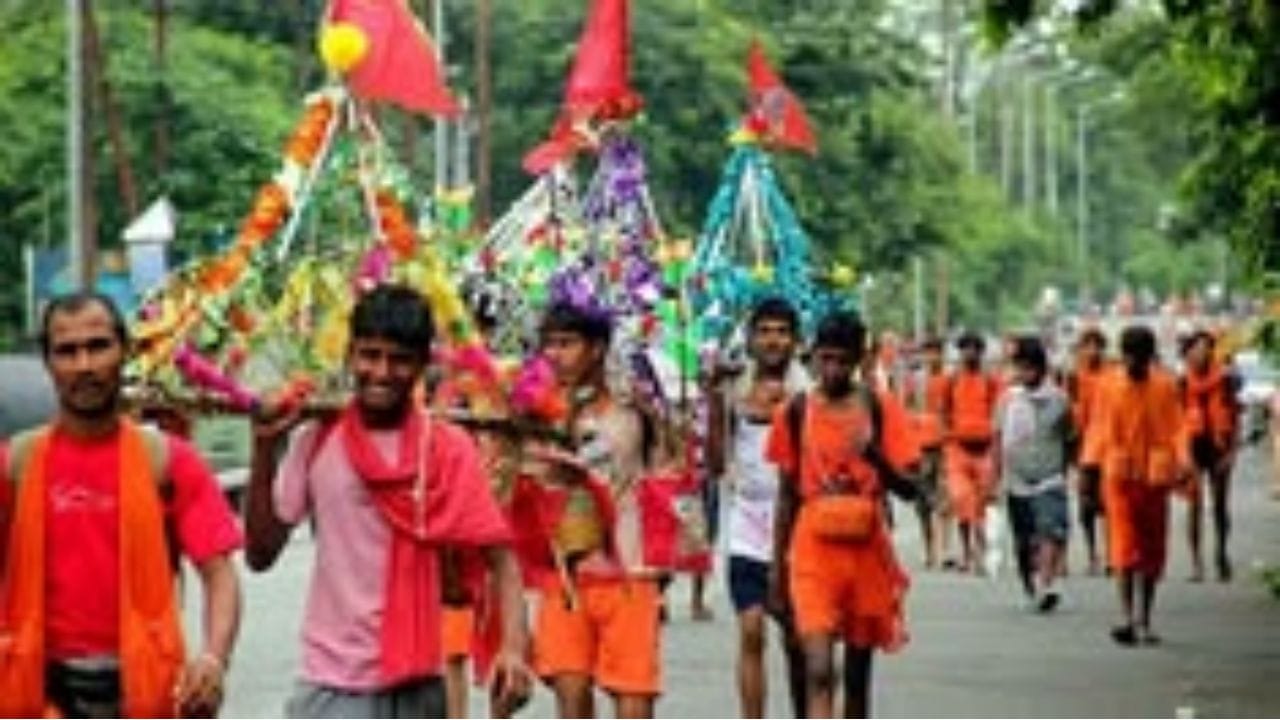

New Delhi: Every year, Kanwar Yatra turns parts of Uttarakhand and neighbouring states into one of India’s busiest pilgrimage corridors. In 2026, the annual
pilgrimage will take place from July 30 to August 11, bringing heavy pilgrim movement and temporary traffic diversions across Haridwar, Rishikesh and Dehradun. Haridwar’s Har Ki Pauri, the largest collection point for Gangajal, witnesses the maximum rush, while Neelkanth Mahadev, Gangotri, Gaumukh and Sultanganj also attract large numbers of devotees.
The increased footfall affects tourists planning road trips, weekend getaways and family holidays to Uttarakhand during the Sawan period. However, travelling remains possible with careful planning, suitable transport choices and alternate routes. Here is a practical guide to traffic restrictions, travel options and useful tips to help visitors plan a smoother journey during Kanwar Yatra 2026.
Roads likely to witness heavy congestion
The Delhi–Meerut–Muzaffarnagar–Roorkee–Haridwar stretch of NH-34 (formerly NH-58) remains the main Kanwar route and is expected to witness the highest pedestrian movement during the pilgrimage. The Delhi–Meerut Expressway also experiences traffic regulation as it feeds into the same corridor.
Around Haridwar, dedicated Kanwar routes such as Ganganahar Patri and Pipeline Marg, along with roads leading to Har Ki Pauri and key ghats in Rishikesh, may remain closed or restricted for regular vehicles, particularly during the final days of the yatra. Travellers using the conventional Delhi-Haridwar route should be prepared for diversions and longer travel times.
Traffic arrangements in Haridwar, Rishikesh and Dehradun
To manage the movement of pilgrims and regular traffic, Uttarakhand authorities have introduced special parking and diversion plans.
Large vehicles travelling to Neelkanth Mahadev are expected to use the designated IDPL parking area, while smaller vehicles will be directed through the Natraj Bypass towards Muni Ki Reti and Garud Chatti. Return traffic will move through the Laxman Jhula barrage and Chilla route. Depending on crowd levels, weather or flooding near the Bin River, additional diversions may be introduced through Shyampur and Haridwar.
Visitors are advised to follow instructions issued by Uttarakhand Police and local authorities throughout the pilgrimage.
Alternate routes for travellers
Travellers driving to Uttarakhand can avoid the busiest Kanwar corridor by choosing alternative routes wherever possible.
Via Panipat and Saharanpur
One of the most dependable options for reaching Dehradun and Mussoorie, this route stays west of the crowded Meerut–Muzaffarnagar stretch.
Suggested route: Delhi → Panipat → Shamli → Saharanpur → Dehradun
Via Karnal and Yamunanagar
Travellers heading towards Dehradun through NH-44 can continue via Karnal, Yamunanagar and the Ambala–Dehradun bypass. Although slightly longer, this route generally avoids the heaviest pilgrimage traffic.
Via Bijnor and Kotdwar
Visitors travelling to Rishikesh may take the Delhi → Gajraula → Bijnor → Kotdwar → Dugadda → Rishikesh route. While the drive is longer, it bypasses Haridwar and is usually less congested. Motorists should, however, monitor weather updates as heavy monsoon rain can affect the Kotdwar–Dugadda stretch.
Reaching Uttarakhand by train or flight
Travellers looking to avoid road diversions can opt for rail or air travel during Kanwar Yatra.
By air
Flying to Jolly Grant Airport, Dehradun, is one of the most convenient options. Located around 20 km from Rishikesh and 40 km from Haridwar, the airport lies beyond the busiest pilgrimage corridor, making onward travel relatively easier.
By train
Rail services to Haridwar Junction, Yog Nagari Rishikesh and Dehradun remain unaffected by road diversions. As passenger demand rises during Sawan, booking tickets well in advance is recommended.
Planning your trip
Travellers with flexible schedules should consider visiting before July 30 or after August 13, when traffic restrictions are expected to ease. Starting the journey before dawn can also help avoid peak congestion, as pilgrim movement increases steadily through the day.
Those looking for a quieter monsoon getaway may consider Nainital, which is reached via NH-9 through Moradabad and Rampur and generally remains outside the main Kanwar corridor.
Practical travel tips
- Many roadside eateries along the pilgrimage route serve only satvik vegetarian food during Sawan.
- Carry snacks if travelling with children or those with specific dietary needs.
- Drive slowly around walking pilgrims and DJ-equipped convoys, and avoid risky overtaking.
- Keep drinking water, rain gear, mobile chargers and essential medicines handy, as monsoon showers and longer travel times are common.
- Follow traffic advisories issued by Uttarakhand Police and respect the religious significance of the pilgrimage while taking photographs.
Kanwar Yatra is one of India’s largest annual pilgrimages. Although the influx of pilgrims results in temporary traffic restrictions, with this guide, travellers can still visit Haridwar, Rishikesh and Dehradun.