







New Delhi: The rise in H1N1 cases in Delhi has prompted concern among residents, particularly parents of young children and people with existing health
conditions. While an increase in influenza infections calls for caution, it does not necessarily indicate an alarming situation. Understanding how the infection spreads, recognising its symptoms and knowing when medical attention is needed can help people respond appropriately.
Dr Neetu Jain, Senior Consultant in the Department of Pulmonary, Critical Care, and Sleep Medicine, PSRI Hospital, New Delhi, explained the current H1N1 situation, vulnerable groups, diagnosis, treatment and precautions in communication with News9 Digital.
Full excerpts of doctor on H1N1 cases in Delhi
Q: There is a rise in H1N1 cases in Delhi. Is it alarming?
Dr Neetu Jain: The rise in H1N1 cases in Delhi is a reason to be cautious and vigilant, but there is no need for unnecessary panic. Influenza viruses tend to circulate more actively during certain seasonal conditions, and an increase in cases does not automatically mean that the situation is alarming. What is important is timely recognition of symptoms, appropriate medical evaluation and extra caution among people who are at higher risk of complications.
Q: Which age groups are most affected right now?
Dr Neetu Jain: H1N1 can affect individuals across age groups, but young children, older adults, pregnant women and people with underlying conditions such as asthma, diabetes, heart disease or weakened immunity need greater attention. Children may also be more exposed because they spend considerable time in schools and other group settings where respiratory infections can spread easily.
Q: Is there a specific reason for the surge in Delhi at this time – weather, pollution, crowding?
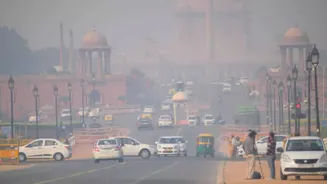
Dr Neetu Jain: The current increase can be influenced by several factors rather than one specific cause. Changes in temperature and humidity, increased indoor crowding, poor ventilation and close person-to-person contact can all facilitate the transmission of influenza. Air pollution is another important concern because it can irritate the respiratory system and make existing respiratory symptoms more difficult to tolerate, although pollution itself is not the cause of H1N1 infection.
Q: What are the key symptoms of H1N1 that people should watch for vs regular flu?
Dr Neetu Jain: The symptoms of H1N1 are broadly similar to those of seasonal influenza. Fever, cough, sore throat, headache, body aches, chills, fatigue and weakness are common. Some children can also develop vomiting or diarrhoea. It is important to remember that symptoms alone cannot reliably distinguish H1N1 from other respiratory viral infections.
Q: How is H1N1 being diagnosed? Are rapid tests easily available?
Dr Neetu Jain: Diagnosis is usually based on the clinical assessment, with laboratory testing advised when clinically appropriate. Molecular tests such as RT-PCR can identify influenza infection and help determine the specific strain. Rapid tests may be available at some healthcare facilities, but their availability and accuracy can vary. Therefore, testing decisions should ideally be made by a healthcare professional rather than through self-testing or unnecessary testing.
Q: At what point should someone get tested or go to a hospital?
Dr Neetu Jain: Not everyone with a fever or cough needs to be tested for H1N1. Testing or medical consultation becomes more important when symptoms are severe, persistent or worsening, particularly in children, older adults and people with underlying medical conditions. Immediate medical attention is required if there is difficulty breathing, chest discomfort, bluish lips or face, confusion, severe weakness, dehydration, very low oxygen levels or a significant deterioration after an initial period of improvement.
Q: What is the standard treatment protocol for H1N1?
Dr Neetu Jain: Treatment is generally supportive and includes adequate hydration, sufficient rest and appropriate fever management. Antiviral medication may be recommended by a doctor for patients who are at increased risk of complications or who have significant or severe influenza. These medicines work best when started early in appropriate patients. Antibiotics should not be taken routinely because H1N1 is caused by a virus, not bacteria.
Q: What symptoms in kids should parents not ignore?
Dr Neetu Jain: Parents should be particularly watchful for warning signs in children. Persistent fever, rapid or difficult breathing, chest indrawing, unusual drowsiness, inability to drink fluids, reduced urine output, repeated vomiting, bluish discolouration or a child becoming progressively weaker should not be ignored. The child’s overall condition is often more important than focusing only on the exact number of days of fever.
Q: What are the common myths about H1N1 you’re hearing from patients?
Dr Neetu Jain: One of the biggest misconceptions about H1N1 is that every infection is severe. Most otherwise healthy individuals recover with appropriate care. Another misconception is that influenza is simply a common cold and therefore does not require attention. Influenza can occasionally lead to complications, particularly in vulnerable individuals, so worsening symptoms should never be ignored.
Q: Can H1N1 spread more easily in schools, offices and public transport?
Dr Neetu Jain: Schools, offices and public transport can become environments where respiratory viruses spread more easily because of close and prolonged contact between people. Schools should encourage children with fever or significant respiratory symptoms to remain at home until they recover. Good ventilation, regular handwashing, respiratory hygiene and appropriate cleaning of frequently touched surfaces can help reduce transmission. If multiple cases occur in a particular setting, the situation should be monitored and appropriate public-health guidance should be followed.
Q: What’s your key message to Delhi residents to stay safe but avoid panic?
Dr Neetu Jain: The best approach for Delhi residents is awareness without fear. People should practise good hand and respiratory hygiene, avoid close contact with others when unwell, improve ventilation in indoor spaces and consider influenza vaccination, particularly if they belong to a high-risk group. Most importantly, people should avoid self-medication and seek medical advice when symptoms are severe, persistent or worsening.
The message should be simple: do not panic, but do not dismiss influenza either. Early recognition, responsible behaviour when sick and timely medical care can significantly reduce the risk of complications and transmission.
There is also no need for schools or parents to assume that every fever represents H1N1. At the same time, sick children should not be sent to school simply because their symptoms appear mild, as they can transmit infection to classmates and teachers.
Q: How do you differentiate H1N1 from dengue, viral fever and seasonal flu in children?
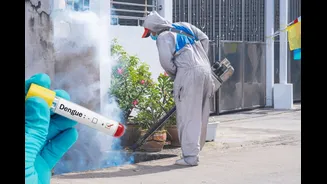
Dr Neetu Jain: It can be difficult to distinguish H1N1 from dengue, another viral fever or seasonal flu based only on symptoms. Dengue can also cause high fever, headache, body aches, nausea and marked weakness, while influenza more commonly produces prominent respiratory symptoms such as cough and sore throat. However, there can be considerable overlap, and clinical examination and appropriate testing may be necessary to establish the diagnosis.
H1N1 can affect people across age groups, but children, older adults, pregnant women and those with underlying health conditions need particular attention. Staying alert to worsening symptoms, avoiding self-medication and seeking timely medical advice can help reduce the risk of complications.