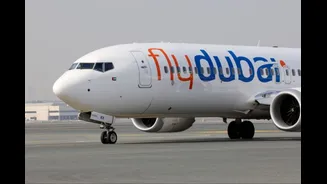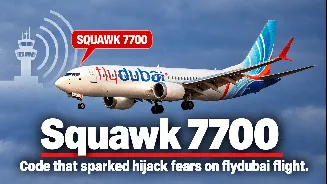










A four-digit code transmitted by a flydubai aircraft flying from Dubai to Tel Aviv quickly raised fears of a possible hijacking on September 30. Flight
FZ1073 first transmitted emergency code 7700 and later switched to 7500 as it diverted towards Tabuk in Saudi Arabia, according to flight tracking data.
The aircraft landed safely at Tabuk after what flydubai described as an altercation inside the flight deck. All passengers and crew were accounted for. The exact motive behind the incident remains under official investigation, and the airline has asked people not to speculate before authorities establish what happened.
Read more: ‘Flydubai incident being treated as terror attack’: Israeli officials say major disaster averted
What does Squawk 7500 mean?
Squawk 7500 is an internationally recognised transponder code used when an aircraft is facing unlawful interference, including a suspected hijacking.
Aircraft transponders send identifying information to air traffic control radar systems. Pilots can enter special four-digit codes during emergencies.
The International Civil Aviation Organisation reserves Code 7500 for an aircraft experiencing unlawful interference. The US Federal Aviation Administration similarly treats 7500 as a hijacking alert. If air traffic controllers ask a pilot to confirm the code and receive no response, procedures can require them to treat the situation as a possible hijacking.
Read more: How ‘hero’ Indian pilot Smit Machchhar helped save Flydubai flight
Why did FZ1073 attract so much attention?
Flightradar24 data showed FZ1073 transmitting 7700, then 7500, before returning to 7700. Code 7700 signals a general emergency. The appearance of 7500 immediately suggested something more serious was happening onboard.
Flydubai later said, “An altercation occurred in the flight deck of flight FZ 1073.” The airline said crew travelling on the aircraft secured the plane and diverted it safely to Tabuk.