







New Delhi: Ayurveda has been part of India’s traditional approach to health and wellness for centuries, and many of its commonly used herbs and spices
are already familiar in Indian homes. From adding turmeric to everyday meals to sipping ginger tea or using tulsi in traditional preparations, these ingredients often find a place in daily routines.
National Ayurveda Day, observed every year on September 23, brings renewed attention to the traditional system and the herbs associated with it. Over the years, several Ayurvedic ingredients have also attracted scientific interest, with researchers studying their possible effects on areas such as stress, digestion, inflammation and cognitive health.
But there is an important distinction to make. The fact that an ingredient is being used traditionally does not mean that it has been scientifically proven to prevent or treat a particular disease. Research also differs greatly from herb to herb.
Here are 10 Ayurvedic herbs and spices that are widely known and have been studied for their potential health benefits.
1. Ashwagandha
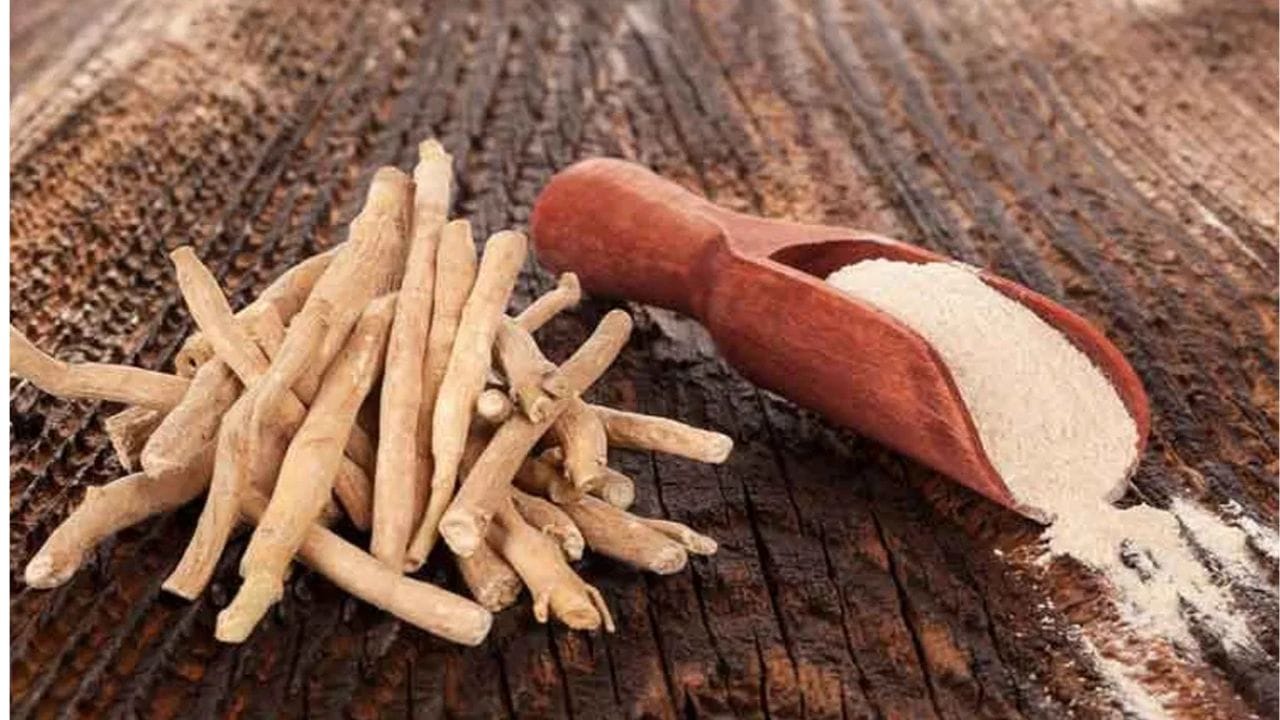
One of the most common herbs in ayurveda is Ashwagandha or Withania somnifera. Traditionally the root and berries of the plant have been used in a number of preparations .
It is often called an adaptogen, a term most often used for substances that may help the body deal with stress. Some research suggests that ashwagandha may help reduce perceived stress and cortisol levels. However, researchers continue to study its effectiveness, dosage and long-term use.
2. Turmeric
Turmeric is hardly a stranger to Indian kitchens. The bright yellow spice gets much of its attention from curcumin and related compounds, which have been researched for their antioxidant and anti-inflammatory properties.
While turmeric is easy to consume as part of regular cooking, it is worth remembering that the quantity used as a spice is very different from the concentrated amounts found in supplements. More concentrated forms should therefore not automatically be considered equivalent to dietary turmeric.
3. Holy Basil
Tulsi, or holy basil, has a special place in traditional Indian practices. It is widely used in formulations for seasonal ailments, respiratory health and general well-being.
Compounds found naturally in the plant have been investigated by researchers for antioxidant and antimicrobial properties.Tulsi is a popular traditional home remedy, but stronger human studies are needed to see how effective it may be for specific health conditions.
4. Triphala (Tripala)
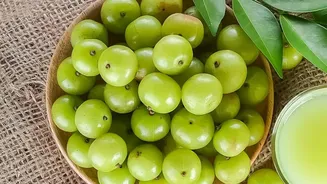
Triphala is slightly different from the other ingredients on this list, as it is a traditional Ayurvedic formulation, not a single herb.It is a mixture of three fruits amalaki, bibhitaki and haritaki.
Triphala’s most well known function in Ayurveda is for digestive health.It is frequently used to aid in digestion and regularity.
However, some of the modern-day claims made around triphala, such as its ability to ‘cleanse’ the body or significantly impact the gut microbiome should be taken with a pinch of salt.
5. Ginger
Ginger is another ingredient that has comfortably moved between the kitchen and traditional wellness practices. Its characteristic flavour comes partly from compounds such as gingerols, which have also been studied for their biological effects.
Studies suggest ginger may help with some types of nausea, and may have anti-inflammatory properties.
6. Brahmi
Brahmi or Bacopa monnieri is a plant traditionally used in Ayurveda in formulas associated with cognitive and mental well-being. Scientists have become interested in the herb because of its potential effects on memory, attention and information processing.
7. Boswellia B
Boswellia (Indian Frankincense) is derived from the resin of Boswellia serrata. Scientists have investigated the influence of compounds present in Boswellia on biological pathways linked to inflammation. Some human studies have also reported improvements in pain and mobility for patients with osteoarthritis.
8. Gotu kola.
Centella asiatica – also known as gotu kola – is a traditional Ayurvedic herb sometimes associated with longevity and overall wellbeing. Its traditional applications have included skin and cognitive health.
Modern research has looked at whether the plant may have effects on areas such as memory, stress, wound healing and certain skin concerns. While the findings have generated interest, evidence remains limited in several of these areas.
9. Cardamom
Cardamom is a fragrant spice best known as a flavoring in Indian tea, desserts and savory dishes. Its aromatic seeds have also been used in traditional Ayurvedic practices for generations.
What about these herbs and everyday wellness?
One reason Ayurvedic herbs continue to attract attention is that many of them are already familiar ingredients rather than obscure plants. Turmeric, ginger and cardamom, for instance, can be part of ordinary meals and beverages.
That does not mean that consuming more of an herb will necessarily lead to greater health benefits. The form in which an ingredient is consumed, the amount used and an individual’s health circumstances can all make a difference.
What to remember before using Ayurvedic supplements
The word ‘natural’ should not automatically be taken to mean ‘safe for everyone’. Herbal products, particularly concentrated supplements, can have side effects or interact with medicines. Their suitability can also vary depending on a person’s existing health conditions.
For most people, herbs and spices used in normal cooking can be part of a varied and balanced diet. The situation can be different when it comes to concentrated herbal products.
If you take regular medication, have an existing health condition or are considering starting an Ayurvedic supplement, it is sensible to speak to a doctor or qualified healthcare professional first. Traditional knowledge can offer an important perspective, but it is equally important to understand what scientific evidence does and does not establish about a particular herb.