


New York: US and Iranian officials held a three-hour meeting in New York on Tuesday as diplomatic efforts to end the nearly seven-month-old conflict showed
signs of movement.
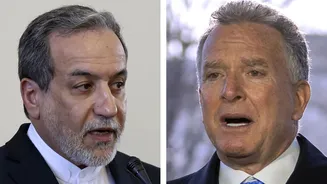
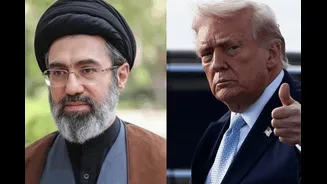
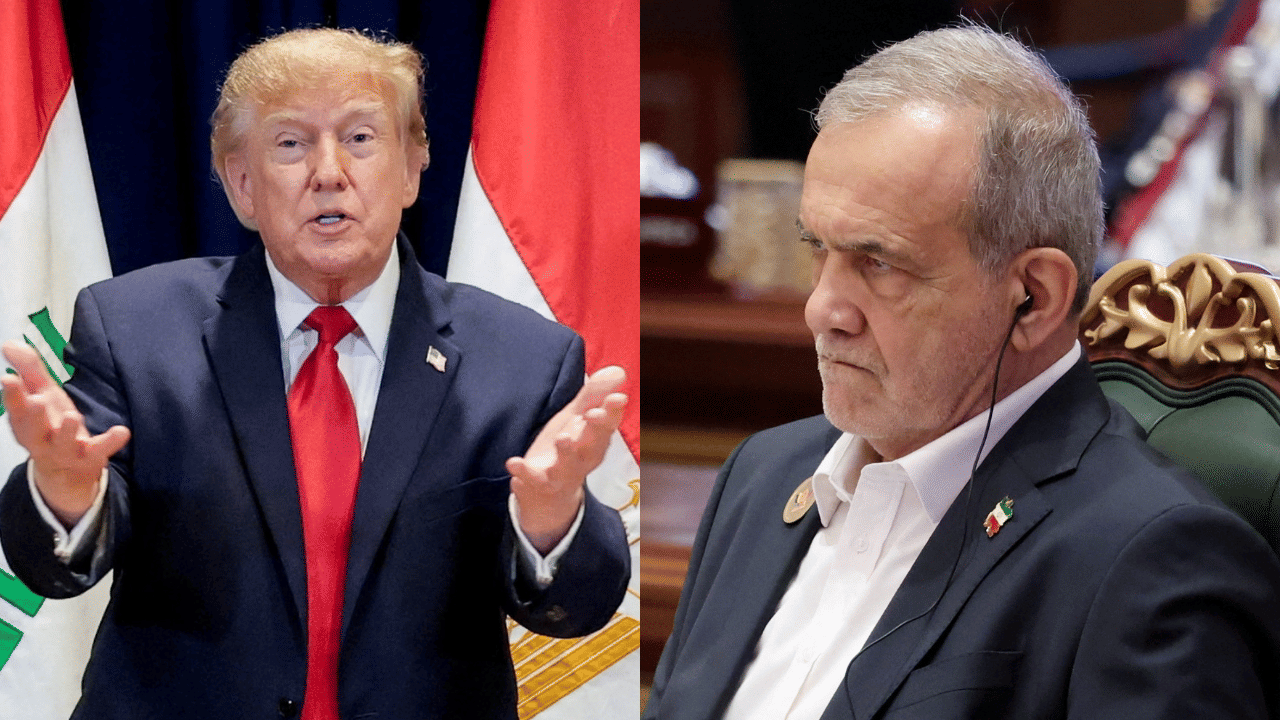
US President Donald Trump said the discussions, held on the sidelines of the UN General Assembly, were positive. US Special Envoy Steve Witkoff and Jared Kushner were involved in the discussions, while Iranian Foreign Minister Abbas Araghchi was part of Tehran’s delegation. Reports said mediators also shuttled between the two sides.
Witkoff said after the meeting, “I feel very good right now.”
Trump later said, “They had a very good meeting, and we’ll see how it turns out. But certainly, it’s to their advantage to make a deal.”
The talks came after months of stalled negotiations and growing pressure over the conflict, particularly its impact on shipping and energy markets.
Trump issues annihilation warning
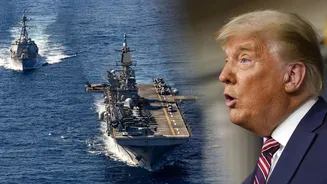
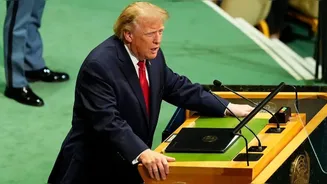
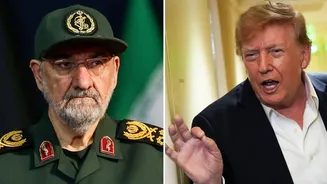
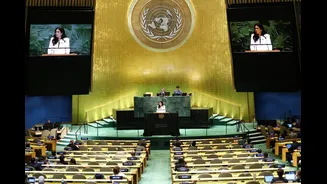
In his address to the UN General Assembly earlier on Tuesday, Trump said, “Will a deal be made with Iran that lets them rebuild and create a far greater country than it ever was before, maybe one of the greatest in the Middle East or even the world. Or do I annihilate the Islamic Republic and do it quickly, never giving them a chance to kill and destroy people and countries again.”
Trump also maintained that Iran must not acquire a nuclear weapon.
“They want to talk to us. They have been talking to us, even today they’ve been talking to us, and the relationship is developing.”
“But we can’t let them — and they understand that — we can’t let them have a nuclear weapon,” he added.
Iran sets conditions for Hormuz reopening
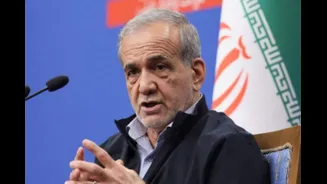
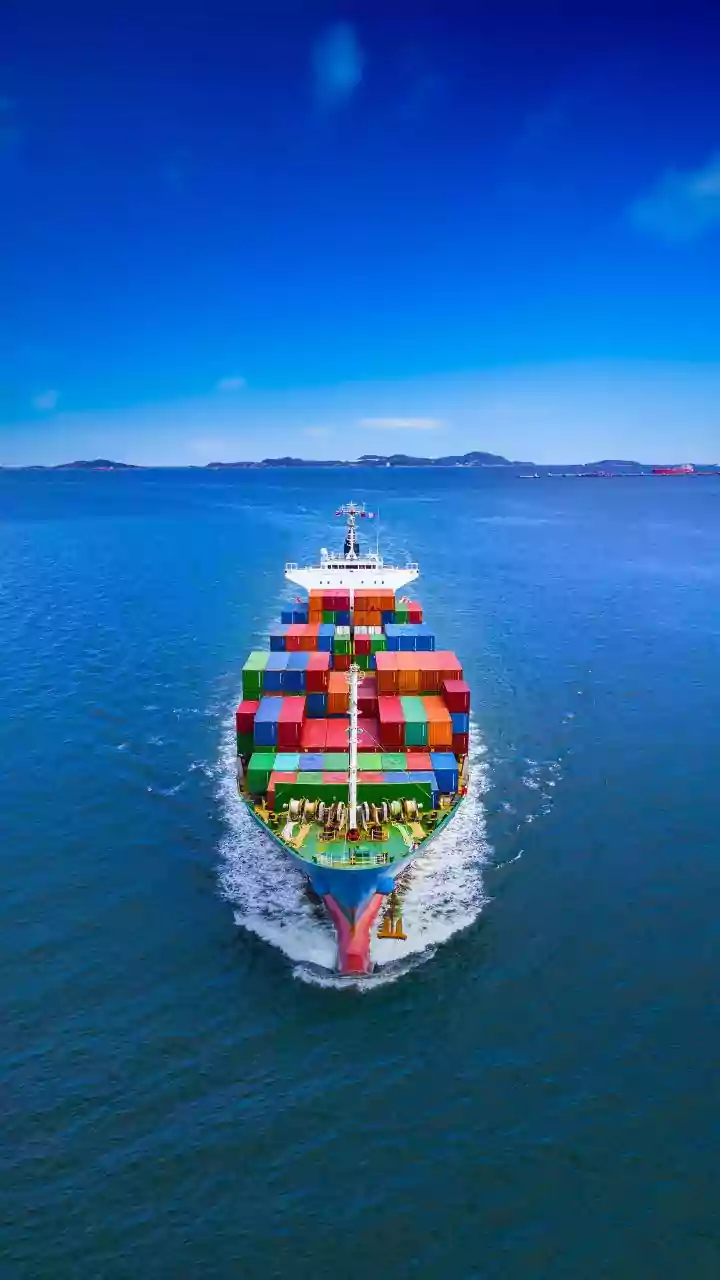
Alongside the talks, Tehran conveyed conditions for reopening of the Strait of Hormuz, according to Iranian state media and officials.
A senior Iranian official said Iran could reopen the waterway to Gulf shipping within seven days if Washington reduced military pressure and lifted its naval blockade on Iranian ports. Tehran has also sought the release of frozen Iranian assets and an end to the war across multiple fronts.
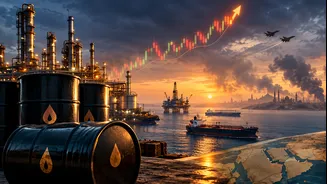
The Strait of Hormuz is a crucial route for global energy supplies, making its continued disruption a major concern for Gulf states and international markets.
Iran’s Armed Forces dismissed Trump’s comments as propaganda and warned that Tehran remained prepared to respond to military action.
The country’s Parliament Speaker Mohammad Baqer Qalibaf also rejected the possibility of Iran surrendering to US pressure.
“Trump must understand that he cannot impose his power on the Iranian people and its armed forces.”
Gulf states seek security
Trump also met leaders from the Gulf states as the conflict continues to affect the region. The countries want shipping through the Strait of Hormuz restored but remain concerned about Iran’s growing influence.
Qatar has proposed a regional security framework involving Iran and the Arab Gulf states, with discussions taking place alongside the wider diplomatic efforts at the UN.
The conflict has also increased pressure on Saudi Arabia, particularly because of fighting involving Iran-aligned Houthi forces in Yemen.
Meanwhile, Saudi Arabia has restarted operations on its East-West Pipeline, raising the possibility of renewed oil exports through the Red Sea at reduced volumes.