








New Delhi: Children tend to drink less water when winter sets in. A glass of cold water rarely tempts a child on a chilly morning, yet the body still needs
fluids every day. Parents do not need to force the habit, as simple changes in food, drinks and bottles can raise a child’s daily intake. Warm drinks and soups count towards daily fluid goals, while fruits, vegetables, milk and buttermilk add to it. An insulated or brightly coloured bottle can make sipping more fun for kids.
When a child has a cold or fever and refuses plain water, a paediatric electrolyte mix can help restore fluid balance. Dry lips, fewer bathroom trips and unusual crankiness are signs to watch for. Read on for practical winter hydration tips that help children drink more water, along with the signs of dehydration parents should know.
Winter hydration tips for children
Warm fluids for children in winter
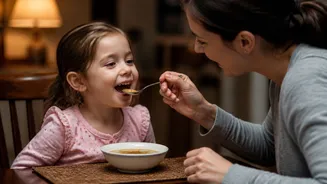
Warm drinks are an easy swap for cold water. Parents can offer warm water with a drop of honey and lemon, mild herbal tea or a warm vegetable, chicken or bone broth. A bowl of tomato, spinach or mixed-vegetable soup also works, as it counts directly towards daily fluid goals and warms a child up at the same time.
Water-rich foods for kids
Seasonal produce adds fluids without any fuss. Oranges, sweet limes (mosambi), carrots, cucumbers and beetroots all make good choices. Milk, buttermilk (chaas) and warm porridges can also be added to the daily routine.
Kids water bottle ideas
The container makes a difference. An insulated, time-marked or brightly coloured character bottle turns sipping into something fun. Keeping the water at a comfortable room temperature, rather than ice-cold, also makes it easier for children to drink.
Electrolyte drinks for children
Plain water becomes a struggle when a child is fighting a cold or fever. In such cases, paediatric electrolyte or hydration mixes can help restore fluid balance faster.
Signs of dehydration in children
Parents should watch for dry or chapped lips and mouth, and for fewer bathroom trips or darker urine. Unusual crankiness, fatigue or a lack of focus during schoolwork can also signal dehydration.
Getting children to drink enough in winter takes a few small adjustments rather than constant reminders. Warm fluids, water-rich foods and a bottle they like can lift their intake gradually through the day, and knowing the early signs of dehydration helps parents step in on time.