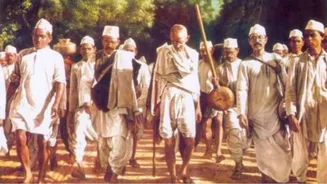







New Delhi: Mahatma Gandhi’s experiments with food were connected to his ideas about discipline, health and simple living. His diet changed several times
as he tested fruit-based eating, gave up certain foods and later returned to staples. Records and his writings mention bananas, groundnuts, dates, lemons, whole grains, pulses, vegetables and seasonal fruits. At Tolstoy Farm in South Africa, he experimented with a fruit-based diet that included bananas, groundnuts, dates and lemons.
Later meals also featured chapatis, rice, dal, tomatoes, salads and almond paste. Gandhi paid attention to how ingredients were processed and prepared, favouring uncomplicated food and minimally processed grains. He considered diet part of his practice of self-restraint rather than simply a source of pleasure. Ahead of Gandhi Jayanti 2026 on October 2, here is a closer look at foods associated with his dietary experiments and the philosophy that shaped his eating habits.
Gandhi Jayanti 2026: Foods linked to Mahatma Gandhi’s diet
Fruits and nuts
Bananas, dates, groundnuts and seasonal fruits appeared at different stages of Gandhi’s dietary experiments. At Tolstoy Farm, bananas, groundnuts and dates formed part of his fruit-based diet. He regarded bananas as a useful source of starch and considered nuts valuable for nourishment.
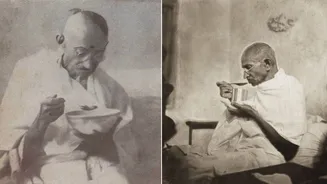
His writings also mention mangoes, guavas, papayas, grapes, oranges and sweet limes. Fruit became particularly important during periods when he followed a fruitarian diet. A recorded meal in 1934 included dates alongside almond paste, tomatoes and salad.
Flavourings
Gandhi wrote about lemons and sour limes as useful additions to simple meals. Their juice could accompany food or be mixed with water. His preference for restrained seasoning fitted his broader approach to uncomplicated eating.
Chapati and whole grains
Cereals were not always part of Gandhi’s diet, as he avoided them during certain experiments. Wheat and chapatis, however, appeared in his later eating habits and ashram meals. He showed particular interest in whole grains and paid attention to how cereals were processed.
Rice
Gandhi favoured less-polished rice because processing could remove valuable parts of the grain. Rice also illustrates how his food habits evolved over time, with ordinary cereals returning to his diet after periods of stricter restriction.
Dal and pulses
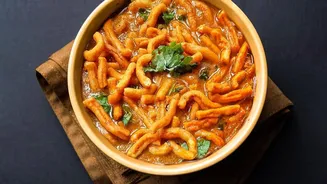
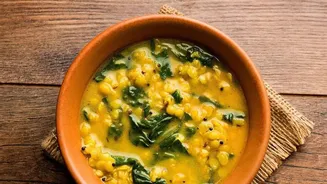
Gram, peas, beans, moong and masoor featured in Gandhi’s discussions about nutrition. He considered protein requirements in relation to a person’s lifestyle and physical work. Pulses were also served in ashram meals.
Fresh vegetables and salads
Tomatoes, cucumber, leafy greens and other fresh produce formed part of Gandhi’s simple eating pattern. He discussed consuming certain vegetables and tender leaves raw after proper cleaning. Tomatoes and salad also appear in records of his meals.
Mahatma Gandhi’s food philosophy
Food for nourishment
Gandhi approached eating primarily as a means of sustaining the body. His dietary experiments reflected his interest in health, restraint and understanding what the body actually required.
Control over taste
Self-discipline played a central role in his approach to food. He limited heavily spiced, sugary and rich preparations, linking control over taste with control over personal desires.
Simple, accessible food
Local produce, coarse grains and seasonal ingredients suited Gandhi’s preference for simplicity. His choices were also influenced by his concern for affordability and the living conditions of ordinary Indians.
Fasting
Fasting occupied a distinct place in Gandhi’s life. He practised it for self-discipline and spiritual reasons and also used fasting during political action, including appeals against violence.
Gandhi’s food habits were never a fixed menu. His repeated experiments, restrictions and changes reveal an evolving approach centred on simplicity, nourishment and self-discipline.