





New Delhi: BMW is reportedly working on the next-generation X7, which is expected to make its debut in 2027. The new model will replace the present first-generation
SUV, introduced in 2018 and updated in 2022. A key addition to the range will be the iX7, an all-electric version that will sit along with the conventional internal combustion engine (ICE) models.
As per an Autocar UK report, the new X7 will continue to serve as BMW’s flagship SUV. Further, the Alpina sub-brand is also expected to develop a more exclusive, performance-focused version.
2027 BMW X7 platform and powertrain details
The next-generation X7 and iX7 are likely to use an extensively revised version of BMW’s Cluster Architecture (CLAR) platform. This is similar to the approach taken with the latest X5 and its electric counterpart, the iX5. Rather than adopting BMW’s dedicated Neue Klasse EV platform, the iX7 could use the updated CLAR architecture.
However, it might draw several technologies from the Neue Klasse family. This includes an 800-volt electrical system, cylindrical battery cells and support for DC fast charging at rates of up to 460kW. The electric SUV could get a battery pack with a capacity of up to 150kWh. For context, the recently unveiled iX5 uses a 144kWh net battery. BMW is reportedly targeting a WLTP driving range of more than 805km for the iX7.
Given its position at the top of the range, the electric SUV is also expected to feature a dual-motor or multi-motor all-wheel-drive setup. Its output could exceed the iX5’s 578hp and 805Nm figures. The petrol and diesel-powered X7 models are also likely to continue using BMW’s xDrive all-wheel-drive system.
The entry-level xDrive 40 could borrow the new X5’s 3.0-litre turbocharged inline-six petrol engine, paired with a 48-volt mild-hybrid system. This setup is expected to produce around 400hp and 540Nm. BMW could also offer an xDrive 40d diesel version in Europe. It is likely to use a 3.0-litre inline-six diesel engine with mild-hybrid assistance, producing approximately 313hp and 670Nm.
At the higher trim, the M60 xDrive is expected to retain its 4.4-litre twin-turbocharged V8, albeit with increased output. The current model produces 530hp and 750Nm, and its successor could deliver more power and torque. Unlike the upcoming X5, the next X7 is not expected to receive a plug-in hybrid or hydrogen fuel-cell option.
2027 BMW X7 exterior and interior details

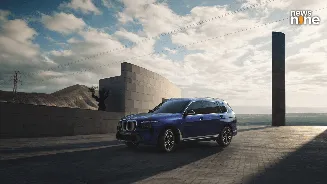
Alpina model likely to sit above the standard version (Image of current X7 used for representation only
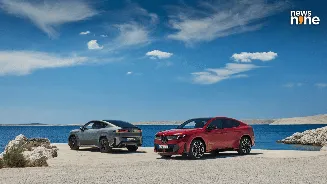
The second-generation X7 is expected to take design inspiration from the updated 7 Series sedan. This could include a redesigned split-headlamp arrangement, larger kidney grilles and wide LED tail-lamps. The SUV is also likely to adopt a more upright stance.
BMW is expected to maintain a similar overall design for the petrol and electric versions, much like the relationship between the 7 Series and i7. The new X7 could measure more than 5,200mm in length, with 19-inch alloy wheels offered as standard and larger 23-inch units available as an option.
Another notable change could be at the rear. BMW is reportedly considering replacing the current X7’s split tailgate with a conventional single-piece boot lid, potentially making luggage access easier while simplifying manufacturing.
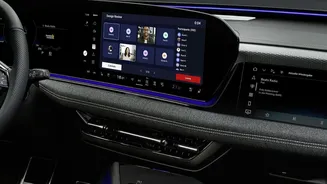
The cabin is expected to receive a substantial technology upgrade, drawing inspiration from the facelifted 7 Series. Among the anticipated additions is BMW’s Panoramic Vision display, which stretches across the lower portion of the windscreen. A larger 17.9-inch central touchscreen and a 14.6-inch display for the front passenger could also feature.
Rear-seat passengers could get access to the 31.3-inch 8K entertainment screen offered in the 7 Series. Other expected additions include automatic doors and touchscreen controls for rear-seat climate and comfort functions.
2027 BMW X7 Alpina details
BMW’s luxury-focused Alpina sub-brand is also expected to work on a more exclusive version of the next-generation X7. Following the upcoming Alpina version of the 7 Series, the new X7 could become the second model developed under BMW’s ownership of the brand.
Internally codenamed G69, the X7 Alpina is expected to use a specially tuned version of the 4.4-litre twin-turbocharged V8. Changes could extend beyond engine output, with dedicated engine management software and revised transmission calibration. The SUV is also likely to receive bespoke suspension tuning, distinctive exterior styling elements and a more luxurious cabin with additional customisation options.
BMW is reportedly considering an electric iX7 Alpina as well, although a final decision has not been made. The standard X7 will continue to compete with the Mercedes-Benz GLS and the upcoming Audi Q9. The iX7, meanwhile, could take on electric luxury SUVs such as the Range Rover Electric and Mercedes-Benz EQS. The more exclusive X7 Alpina is expected to target the Mercedes-Maybach GLS.