





New Delhi: According to Vastu Shastra, the most auspicious places to light diyas on Diwali are the main entrance, the puja room, the northeast corner,
the north direction and near the Tulsi plant. Each placement carries a traditional significance, from welcoming Goddess Lakshmi to invoking prosperity, spiritual clarity and household well-being.
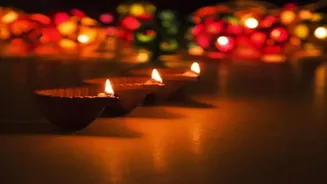
Diwali 2026 falls on Sunday, November 8. Lighting diyas at dusk, especially around Lakshmi-Ganesh Puja, is an important part of the celebration. Their placement matters in Vastu because different directions are associated with different energies and deities.
1. Main Entrance: Place Two Diyas to Welcome Goddess Lakshmi
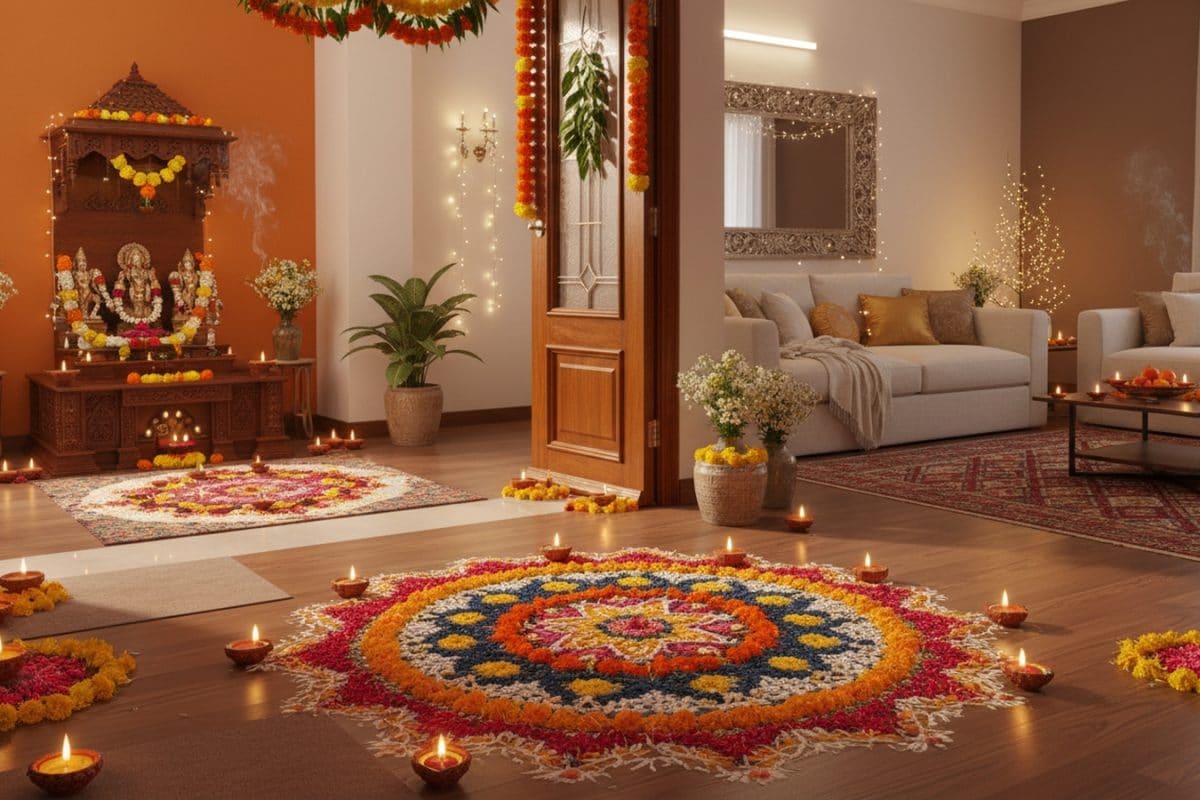
Light two diyas and place one on either side of the main entrance. Keep the doorway clean and decorate it with a rangoli, flowers or a toran.
In Hindu tradition, Goddess Lakshmi is welcomed into a clean, illuminated home on Diwali. The entrance represents the point through which auspiciousness and prosperity are invited into the household.
Vastu significance: A bright and uncluttered entrance symbolises an open path for prosperity, harmony and new opportunities. Avoid placing diyas where people may accidentally step on them or knock them over.
2. Northeast Corner: Light a Diya for Spiritual Prosperity
The northeast direction, known as the Ishan Kon, is considered especially auspicious for prayer and spiritual activities in Vastu Shastra. If this area is available, keep it clean, uncluttered and well-lit.
You can place a diya near your home mandir or in a safe spot in the northeast corner while performing Diwali prayers.
Astrological significance: The northeast is traditionally associated with divine energy, wisdom and spiritual clarity. Lighting a diya here represents a prayer for peace of mind, discernment and auspicious beginnings.
3. North Direction: Invite Blessings Associated With Lord Kubera
In Vastu, the north direction is associated with Lord Kubera, the deity traditionally linked with wealth and treasures. On Diwali, families praying for financial stability and prosperity may light a diya in the northern part of their home.
Place the lamp on a stable platform in a safe northern area, away from curtains, papers and combustible materials.
Vastu significance: A diya in the north represents prayers for financial growth, professional opportunities and the responsible management of wealth. Keep this part of the home organised rather than allowing clutter to accumulate.
4. Puja Room: Light the Main Diya During Lakshmi-Ganesh Puja
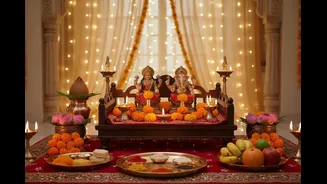
The puja room is the most important place for the principal Diwali diya. Place a clean, unbroken clay or metal lamp near the altar where Goddess Lakshmi and Lord Ganesha are worshipped.
The northeast is a preferred location for the prayer area in Vastu. Within the altar, some Vastu traditions favour the southeast portion for the lamp because it is associated with Agni, the fire element. Arrange the lamp according to your altar’s layout and family puja tradition.
Religious significance: The main diya represents devotion, knowledge and the removal of darkness. Lighting it during Lakshmi-Ganesh Puja expresses a prayer for wisdom, prosperity and the ability to overcome obstacles.
5. East Direction: Light a Diya for Health and New Beginnings
The east is associated with sunrise, vitality and renewal. Lighting a diya in the eastern part of the home is a traditional way to mark a fresh beginning and pray for good health and positive circumstances.
Choose a secure ledge or platform where the flame will not come into contact with curtains or decorations.
Vastu significance: The east symbolises illumination, energy and growth. A diya placed here can serve as a reminder to begin the new phase with clarity, discipline and optimism.
6. Southeast Direction: Honour the Fire Element
The southeast is known in Vastu as the Agneya Kon, the zone associated with Agni, or the fire element. It is therefore a suitable area for a lamp when the placement is safe and practical.
A diya in this direction may be used as part of the home’s Diwali lighting arrangement or placed near the puja altar, following your household’s Vastu practice.
Vastu significance: The southeast is linked with fire, activity and transformation. Lighting a lamp here symbolises the constructive use of energy and the desire for balance within the home.
7. Near the Tulsi Plant: Pray for Protection and Family Well-Being
If you have a Tulsi plant at home, light a diya beside it on Diwali evening. Tulsi is revered in Hindu households and is closely connected with devotion and household worship.
Place the lamp on a stable tray near the plant rather than directly against its leaves or pot.
Religious significance: Lighting a diya near Tulsi expresses reverence for the sacred plant and prayers for family harmony, spiritual protection and well-being. Many households also maintain the custom of lighting a lamp near Tulsi during the holy month of Kartik.
8. Kitchen: Seek Blessings for Food and Abundance
The kitchen is associated with nourishment and the preparation of food for the family. Some households light a diya in this area to honour the blessings associated with Goddess Annapurna, who represents food and nourishment.
Light it only after cooking is finished, keeping it well away from the gas stove, oil, cylinders, paper and other flammable materials.
Spiritual significance: The lamp represents gratitude for food, the resources that sustain the family and the hope that the household will remain nourished and cared for throughout the year.
9. Windows, Balcony and Courtyard: Extend the Light Throughout the Home
Place additional diyas on safe windowsills, balcony ledges, courtyard edges or other suitable areas around the home. Traditional Diwali lighting transforms the house into a welcoming space and allows the glow of the festival to spread beyond the puja room.
According to the spirit of Vastu-based Diwali preparation, avoid leaving the home unnecessarily dark or neglected. Use stable holders and keep lamps away from hanging decorations, fabrics and exposed ledges.
Which Direction Should You Avoid While Lighting Diyas on Diwali?
For the regular Diwali lighting arrangement, Vastu guidance generally favours the northeast, north and east, while the southeast is associated with the fire element. Some Vastu traditions advise against placing routine prosperity lamps in the southwest.
The south direction has a separate significance in the tradition of Yama Deepam, a lamp associated with prayers for longevity and protection. In 2026, Dhanteras falls on Friday, November 6. The Yama Deepam custom is observed by many families on Dhanteras and should not be confused with the main Lakshmi Puja diya on Diwali.
When Should You Light Diyas on Diwali 2026?
Light the main diya as part of your evening worship and perform Lakshmi-Ganesh Puja during the auspicious muhurat applicable to your city. After the puja, place additional diyas at the entrance, near Tulsi and in other safe areas of the home.
Use clean, unbroken lamps filled with ghee or oil according to your family tradition. Never leave an open flame unattended, especially overnight.
The most important Vastu principle for Diwali is to keep your home clean, your prayer space peaceful and your lamps safely placed. A diya is more than a decorative light: it represents the intention to welcome wisdom, prosperity and harmony into your home.
Written by: Tanya Singh of Astropatri.com. For feedback, please write to hello@astropatri.com.