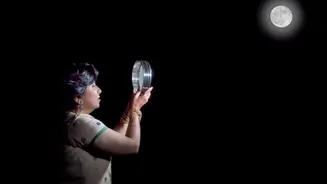







New Delhi: Women with diabetes need to be especially careful before observing Karwa Chauth because fasting for long hours without food or water can affect
blood sugar levels. Whether a woman with diabetes can safely keep the fast depends on how well her blood sugar is controlled, the medicines she takes, and whether she has experienced low blood sugar in the past. It is important to understand that fasting is not equally safe for everyone with diabetes.
Low blood sugar risk
One of the biggest concerns is hypoglycaemia, or low blood sugar, particularly in women who take insulin or certain diabetes medicines such as sulfonylureas. Going without food for several hours can cause blood sugar levels to drop, leading to symptoms such as sweating, shakiness, dizziness, headaches, a fast heartbeat, weakness and confusion. In severe cases, hypoglycaemia can cause seizures or loss of consciousness. On the other hand, dehydration and changes in food intake can also contribute to high blood sugar and other complications.
Women should speak to their treating endocrinologist or diabetologist before deciding to fast. They should never skip, reduce or change their diabetes medication on their own. The doctor may need to adjust the timing or dosage of certain medicines based on the fasting schedule. Women with poorly controlled diabetes, recurrent hypoglycaemia, significant diabetes-related complications or a history of severe low blood sugar may be advised not to fast.
Precautions during the fast
If a woman chooses to observe Karwa Chauth after medical consultation, she should monitor her blood sugar more frequently throughout the day. Continuous glucose monitoring, if already being used, can help identify sudden changes. She should know the warning signs of low blood sugar and keep a fast-acting source of glucose readily available. If her blood sugar drops below 70 mg/dL or she develops symptoms of hypoglycaemia, she should break the fast and treat the low blood sugar immediately. She should not delay treatment for the sake of completing the ritual.
Sargi planning
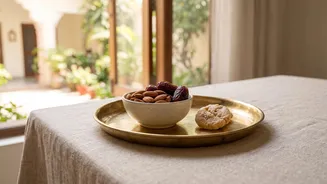
It is equally important to plan Sargi carefully. Choose foods containing complex carbohydrates, protein and fibre, such as whole-grain roti, curd, paneer and nuts, according to individual dietary needs. Avoid excessive sweets and refined carbohydrates, which may cause blood sugar fluctuations. Drink adequate water before the fast begins, unless medically restricted.
The most important message is that health must come first. Women should not feel pressured to continue a fast if they feel unwell. Religious observance should never come at the cost of their safety, and fasting decisions should always be made in consultation with their treating doctor.
(By Dr Himika Chawla, Senior Consultant, Endocrinology and Diabetology, PSRI Hospital, New Delhi)
Disclaimer: This article is based on the research and inputs shared by the doctor mentioned above and is intended for informational purposes only. The findings should not be considered medical advice or used for self-diagnosis or treatment. Consult a qualified healthcare professional for personalised guidance.