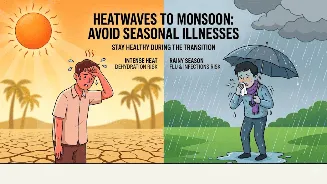









New Delhi: Seasonal transitions in India are becoming increasingly intense, with scorching heatwaves quickly giving way to humid monsoons. While the rains
bring relief from extreme temperatures, they also introduce a new set of health risks that many people tend to overlook. From dehydration during peak summer to infections, allergies, and water-borne diseases during the rainy season, the body undergoes constant stress adapting to environmental changes. According to Dr Yogesh Kumar Chhabra, Director, Nephrology at Fortis Hospital, Shalimar Bagh, these shifts can significantly impact overall health, particularly kidney function, immunity, and hydration levels.
As the weather changes from dry heat to high humidity, it becomes essential to adjust daily habits to stay healthy. Simple lifestyle modifications such as maintaining hydration, eating clean, and practising hygiene can prevent seasonal illnesses. In this article, we break down expert-backed tips to help you stay fit, energised, and disease-free during the transition from heatwave to monsoon.
How to keep good health with seasonal changes
1. Stay hydrated to protect kidney health
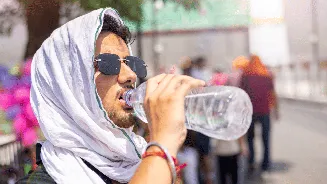
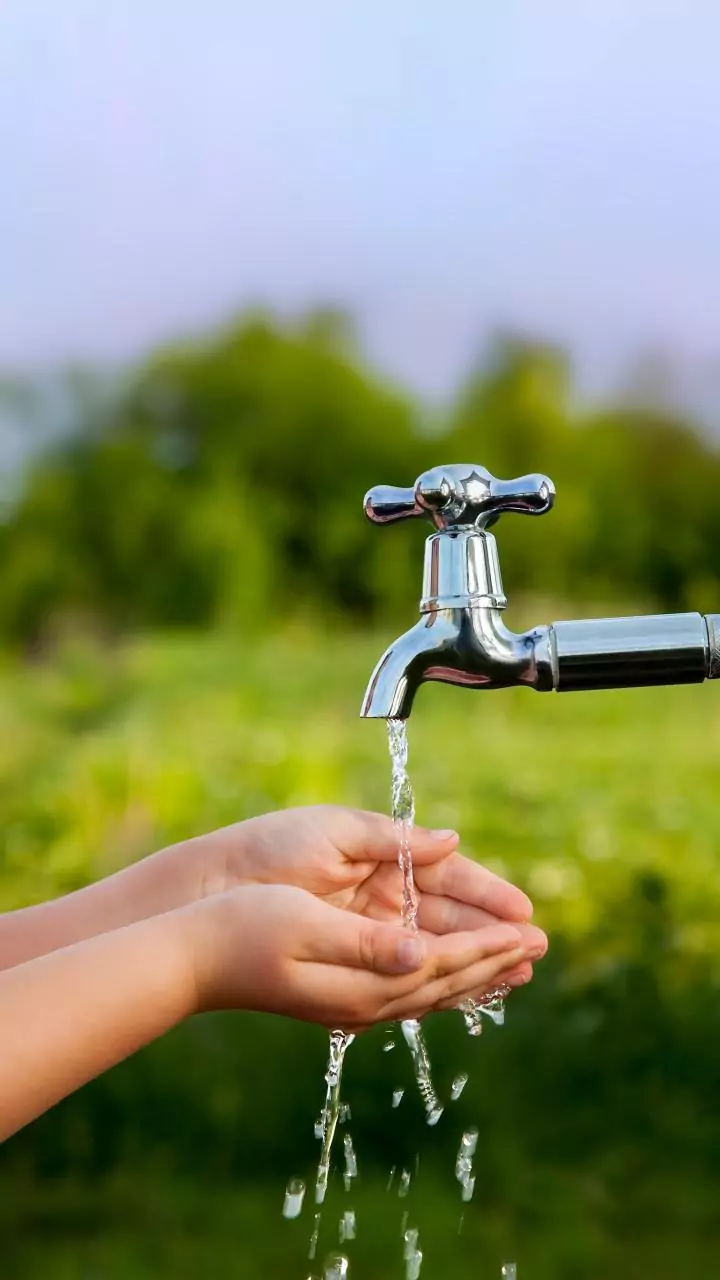
One of the most crucial aspects of staying healthy during both heatwaves and monsoon is proper hydration. High temperatures during summer can lead to excessive sweating, which depletes the body of fluids and essential electrolytes.
“Dehydration can directly affect kidney function, especially during extreme heat and seasonal transitions. Drinking sufficient clean water helps the kidneys flush out toxins effectively,” says Dr Yogesh Kumar Chhabra.
-
Drink at least 2.5–3 litres of water daily
-
Include fresh fruit juices, coconut water, and buttermilk
-
Avoid excessive caffeine and sugary drinks
2. Eat light and clean to avoid infections
Diet plays a major role in preventing seasonal illnesses. During heatwaves, heavy and oily foods can strain digestion, while in the monsoon, contaminated food increases the risk of infections.
-
Opt for freshly cooked, light meals such as dal, rice, roti, and vegetables
-
Avoid street food, cut fruits, and stale items during the rainy season
-
Wash fruits and vegetables thoroughly before consumption
3. Maintain hygiene in humid conditions
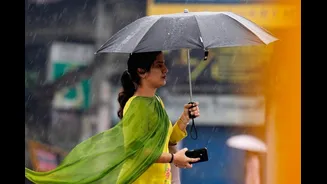
Humidity during the monsoon creates the perfect environment for bacteria and germs to thrive. Poor hygiene can lead to skin infections, fungal issues, and other health concerns.
-
Wash hands regularly with soap, especially before meals
-
Keep surroundings clean and dry
-
Wear clean, breathable clothing
Personal hygiene is not just about cleanliness but also about reducing exposure to harmful pathogens that multiply in damp conditions.
4. Protect yourself from mosquito-borne diseases
The rainy season brings an increased risk of diseases such as dengue and malaria, which are transmitted through mosquito bites. “Preventing mosquito breeding is key to controlling diseases like dengue and malaria. Even small collections of water can become breeding grounds,” warns Dr Chhabra.
-
Use mosquito repellents and nets
-
Ensure there is no stagnant water in and around your home
-
Wear full-sleeved clothing, especially during evenings
5. Choose breathable clothing and limit heat exposure
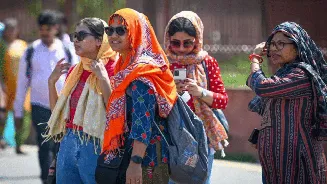
During heatwaves, what you wear and how you manage sun exposure can significantly impact your health.
-
Wear loose, light-coloured cotton clothes
-
Avoid stepping out during peak afternoon heat
-
Use sunglasses, hats, or umbrellas for protection
Seasonal changes demand mindful adjustments in daily habits. By staying hydrated, eating fresh food, maintaining hygiene, and taking preventive measures, you can safeguard your health and enjoy both summer and monsoon without complications.