







New Delhi: Ganesh Chaturthi is not just about bringing a Ganesha Ji idol home and celebrating for a few days. Each ritual, from Ganesh Sthapana and Pran
Pratishtha to daily puja, modak offering and Visarjan, marks a different part of the festival. Together, these traditions turn the celebration into a journey of devotion, gratitude and a fresh beginning.
Here are the main rituals observed during Ganesh Chaturthi and what makes each one meaningful.
- Ganesh Sthapana: Welcoming Ganesha Ji Home
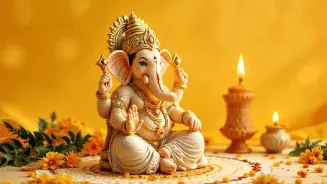
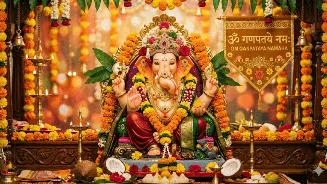
The celebration begins with Ganesh Sthapana, when devotees bring Ganesha Ji’s idol into their home or community pandal.
The idol is placed on a clean, decorated platform, usually in the puja area. Families prepare the space with flowers, rangoli and traditional decorations before formally welcoming Ganesha Ji.
The feeling is simple: Ganesha Ji is being invited into the home as an honoured guest and beloved deity.
- Pran Pratishtha: Invoking Divine Presence
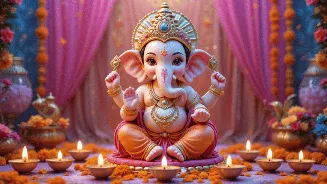
After Sthapana comes Pran Pratishtha, an important part of the puja. Through sacred prayers and rituals, devotees invoke the divine presence of Ganesha Ji in the idol.
This is followed by offerings and prayers seeking His blessings for wisdom, prosperity and freedom from obstacles.
For devotees, this is the moment when the festival moves beyond decoration and becomes an act of worship.
- Shodashopachara Puja: Offering Traditional Worship
A detailed Ganesh Chaturthi puja may include Shodashopachara, a traditional form of worship involving sixteen offerings.
These may include welcoming Ganesha Ji, offering a seat, water, clothing, flowers, fragrance, food and other forms of respectful worship.
The purpose is not simply the number of offerings. Each one represents reverence and gratitude towards Ganesha Ji.
- Modak and other offerings
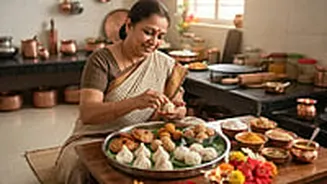
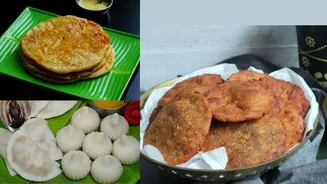
No Ganesh Chaturthi celebration feels complete without modak, traditionally regarded as one of Ganesha Ji’s favourite offerings.
Devotees also offer fruits, sweets, durva grass and flowers during the puja.
Food becomes part of the celebration in a meaningful way: devotees first offer it to Ganesha Ji and then share the prasad with family and others.
- Daily aarti and puja
During the days that Ganesha Ji remains at home or in a public pandal, devotees perform daily puja and aarti.
Family members gather, prayers are recited and offerings are made. In larger celebrations, communities may organise cultural programmes, bhajans and special aartis.
For many families, these daily gatherings become the heart of the festival.
- Ganesh Visarjan: Saying goodbye with devotion
The festival eventually reaches its emotional conclusion with Ganesh Visarjan.
The idol is carried in a procession accompanied by prayers, music and chants before being immersed in water.
Although the farewell can feel emotional, Visarjan carries a deeper message. The idol that devotees welcomed with love is eventually returned to nature, reminding people of the cycle of creation, presence and dissolution.
The farewell is therefore not simply an ending. It represents letting go with faith and welcoming the promise of a new beginning.
Why are these rituals important
The rituals of Ganesh Chaturthi bring together worship, family, community and tradition. From the moment Ganesha Ji is welcomed home to the final Visarjan, every stage creates an opportunity to pause, pray and express gratitude.
The festival ultimately reminds devotees that beginnings deserve reverence, challenges can be met with wisdom and even farewells can carry hope.
Ganesh Chaturthi begins with welcoming Ganesha Ji into our homes, but its deeper message stays long after the idol is gone: carry His wisdom with you, and let every new beginning start with faith.
Written by: Tanya Singh of Astropatri.com. For feedback, please write to hello@astropatri.com.