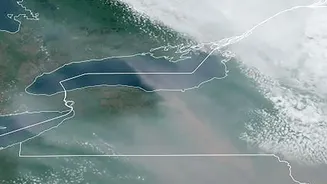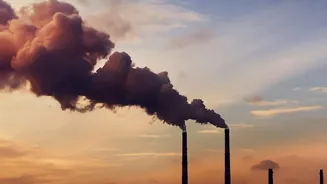








New Delhi: Every Diwali, thick smog, high levels of particulate matter and toxic gases keep air quality in India very low for days during and after the
celebrations. The spike has raised concerns about both immediate and long-term health effects. Cancer generally develops from long-term exposure to carcinogens, and a few days of polluted air are unlikely to cause it.
In a communication to News9 Digital, Dr Nilesh Patil, Consultant Surgical Oncologist and Robotic Surgery, HCG Manavta Cancer Center, Nashik, Maharashtra, warns that repeated exposure to severely polluted air may lead to more severe health risks over time. He also outlines how firecracker pollutants affect the body, who is most vulnerable and how families can reduce exposure. Read here in detail.
How Diwali smog affects the body
Speaking about short-term exposure, Dr Nilesh Patil pointed out, “Even a brief spell of extremely polluted air can trigger inflammation, oxidative stress and cellular damage. A few days of exposure are unlikely to cause cancer, but these biological changes can increase vulnerability to chronic diseases, particularly when similar exposure occurs repeatedly over many years. Frequent pollution spikes may add to an individual’s overall lifetime exposure to harmful environmental toxins.”
Harmful pollutants in firecracker smoke
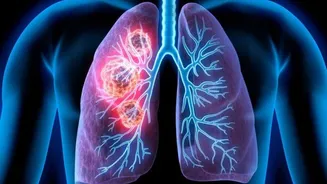
Firecrackers release a complex mixture of pollutants, including fine particulate matter such as PM2.5 and PM10, sulphur dioxide, nitrogen oxides, carbon monoxide, and heavy metals such as lead, cadmium, chromium and arsenic. Describing their impact, Dr Nilesh Patil said, “Fine particles like PM2.5 and PM10, can penetrate deep into the lungs and even enter the bloodstream, while several heavy metals and combustion by-products have been linked to cancer, cardiovascular disease, and chronic respiratory conditions. Exposure to these pollutants can worsen existing illnesses and place additional strain on the body’s defense mechanisms.”
Who is more vulnerable to Diwali pollution
The doctor noted, “Children are particularly vulnerable to Diwali-related air pollution, because their lungs and immune systems are still developing. Older adults often have reduced respiratory and cardiovascular reserves, making it harder to cope with sudden air quality deterioration. Pregnant women may also experience risks due to the effects of pollutants. Cancer survivors, individuals undergoing treatment, and people with asthma, chronic obstructive pulmonary disease (COPD), or other respiratory illnesses are also vulnerable and will experience more severe symptoms and complications as the pollution levels rise.”
Seasonal pollution spikes and cancer risk
Dr Patil emphasised that cancer risk usually comes from cumulative exposure rather than a single event. “However, exposure to such severe pollution every year, along with year-round urban air pollution, smoking, occupational hazards and other environmental toxins, contributes to long-term health consequences. Repeated inflammation and DNA damage over decades increase the chances of chronic disease development,” he stated.
How to reduce exposure to Diwali pollution
Advising on precautions, the oncologist suggested these steps:
- Families should monitor air quality forecasts
- Limit outdoor activities during peak pollution hours
- Keep doors and windows closed when pollution levels are high
- Use indoor air purifiers where possible
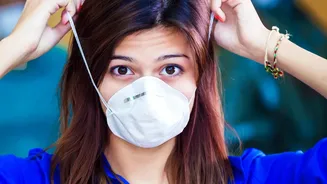
- Wear well-fitted N95 masks outdoors
- Stay hydrated and seek medical care promptly for breathing difficulties
Ultimately, celebrating a greener, cracker-free Diwali may be one of the most effective ways to protect both immediate and long-term health.
Disclaimer: This article is based on the research and inputs shared by the doctor mentioned above and is intended for informational purposes only. The findings should not be considered medical advice or used for self-diagnosis or treatment. Consult a qualified healthcare professional for personalised guidance.