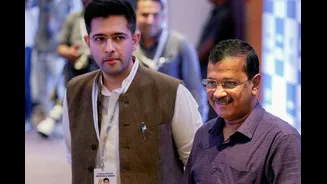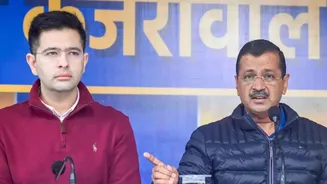







New Delhi: In a major political shift, Raghav Chadha has resigned from the Aam Aadmi Party (AAP) on April 24, claiming six other AAP Rajya Sabha MPs are
also set to leave the party and join the Bhartiya Janata Party (BJP).
The mass defection from AAP is likely to reshape the BJP’s position, especially in the Upper House, and also add some vital young leaders to lead the party in the future.
If Chadha’s claim is set to be true, that including him, seven MPs will join the BJP, it will bolster the BJP’s strength in the Rajya Sabha. Currently, the BJP-led NDA has 139 Rajya Sabha MPs, and the addition of seven MPs strengthens the BJP’s presence in the Upper House, where numbers often matter more.
With two-thirds of AAP’s strength in the Rajya Sabha, the members likely seek protection from disqualification under the anti-defection law by claiming a merger of the party.
The AAP’s central face, Chadha, is a high-profile leader, and his addition to the BJP will pull out youngsters to vote for the party. Along with him, MPs joining the BJP—Sandeep Pathak, Ashok Mittal, Harbhajan Singh, Rajinder Gupta, Vikram Sahney, and Swati Maliwal—are all prominent MPs.
Weakening a major opponent and unity
The move will definitely dismantle AAP’s position in the Parliament, as well, as the party’s core strength lies in Delhi and Punjab. The loss of the MPs could impact the AAP’s bargaining power and grassroots confidence in the states, and will indirectly help the BJP.
All these MPs have strong ties in Punjab and Delhi politics, but now the BJP will be getting a robust network in local politics and insider knowledge in the strongholds of the AAP’s states.
The seven MPs’ addition enables the BJP to face less resistance while pushing contentious legislation, reducing reliance on smaller regional parties.