





New Delhi: Protein has become synonymous with gym diets, muscle-building and protein powders. But long before it became a fitness trend, protein was, and remains,
an essential nutrient needed by the body every day. During National Nutrition Week, Dr Pradeep Narayan Sahoo, Consultant – Internal Medicine, Manipal Hospitals, Bhubaneswar, said to News9 Live in an interview that the bigger concern for Indians is not necessarily a lack of food, but whether everyday meals contain enough variety and adequate protein.
“Protein should not be seen as a nutrient meant only for people who exercise or go to the gym. It is a basic part of a balanced diet and is important for maintaining muscles, repairing tissues and supporting several normal functions of the body,” says Dr Sahoo.
Why the everyday Indian plate may fall short
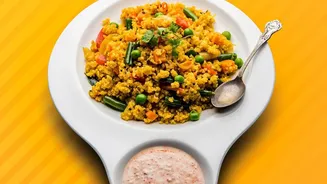
Rice, roti, poha, idli, dosa and potatoes are staples in many Indian households. These foods are important sources of energy, but when meals are dominated by cereals or other carbohydrate-rich foods and contain relatively small portions of pulses, dairy, eggs or other protein sources, the overall diet can become less balanced.
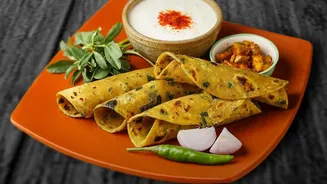
Breakfast can be a particular blind spot. A plate of poha, bread, idli or dosa may provide energy but can be relatively low in protein unless accompanied by foods such as milk, curd, eggs, sprouts, dal or other protein-rich options.
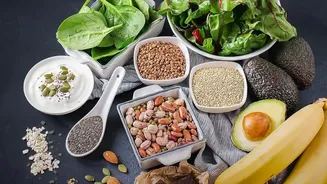
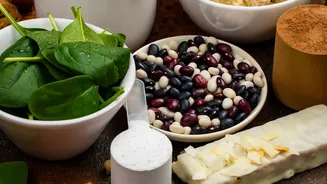
That does not mean Indian or vegetarian diets cannot meet protein requirements. ICMR-NIN’s latest Dietary Guidelines for Indians list pulses, beans, chickpeas, soybean, milk, eggs, fish, meat, nuts and seeds among useful protein sources. The guidelines also note that varied vegetarian and vegan diets can provide adequate protein.
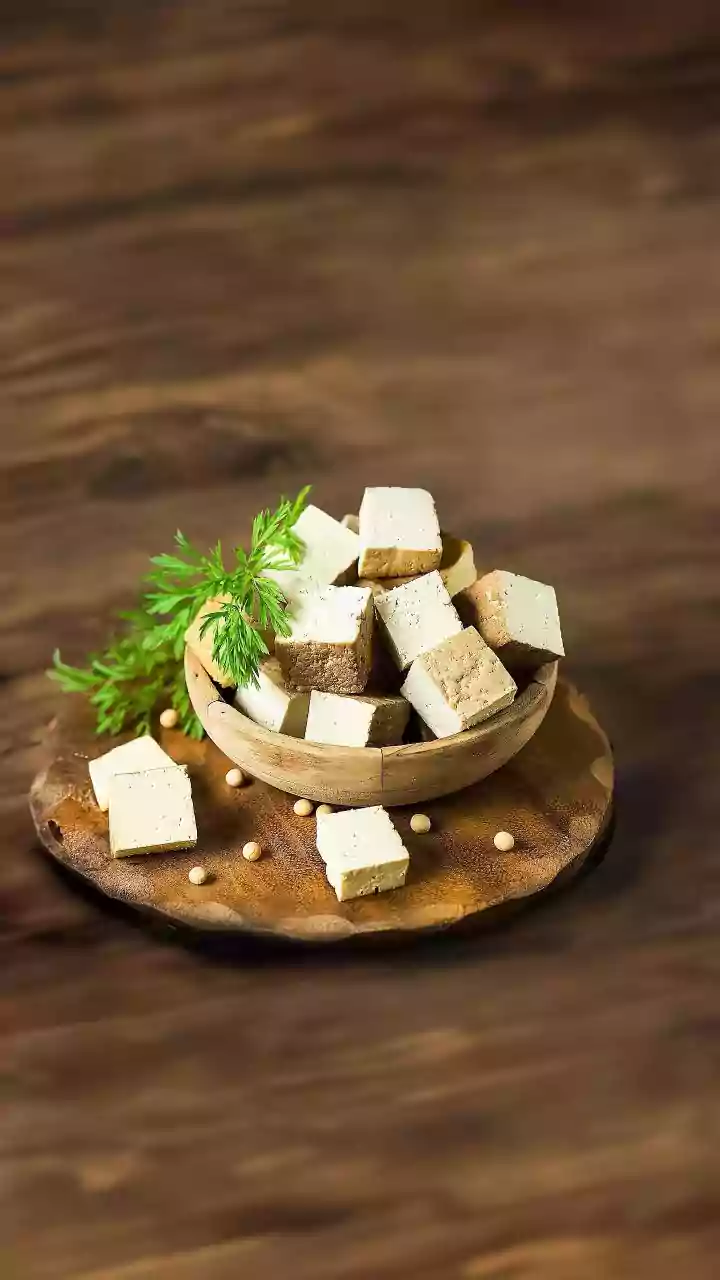
“For most people, improving protein intake does not mean buying a protein powder. It can begin with simple additions to familiar meals: dal, beans, curd, milk, eggs, paneer, soy, sprouts, nuts or seeds, depending on dietary preference,” Dr Sahoo says.
So, how much protein do you actually need
There is no single protein target that applies to everyone. Requirements depend on factors including body weight, age, life stage, physical activity and health status.
For healthy adults, the ICMR-NIN recommended dietary allowance is 0.83 gram of protein per kilogram of body weight per day. In practical terms, that is approximately 54 grams a day for a 65-kg adult man and 46 grams for a 55-kg adult woman. These are reference values, not personalised prescriptions.
Needs can be different during pregnancy and lactation, in older age, with regular strenuous exercise, or during recovery from illness. People with medical conditions should also avoid adopting high-protein diets without professional advice.
Protein powder is not the answer for everyone
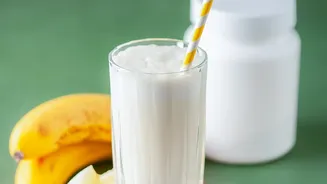
The growing popularity of protein supplements has made it easy to assume that more protein automatically means better health or more muscle. The latest ICMR-NIN guidelines caution against that simplistic approach.
Protein works as part of an overall balanced diet. Adequate energy from carbohydrates and fats is also needed for dietary protein to be used effectively, while physical activity, particularly resistance exercise, is important for building muscle.
“The focus should be on the quality and balance of the overall diet, rather than simply increasing protein intake. A balanced meal, combined with appropriate physical activity, is far more meaningful than assuming that a supplement alone will build muscle,” says Dr Sahoo.
A simple way to improve your daily intake
The easiest approach is to stop treating protein as an occasional addition and make it part of the regular meal pattern.
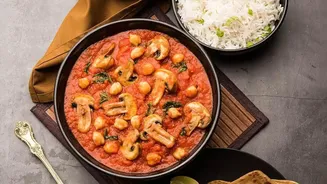
Add eggs, milk, curd or sprouts to breakfast. Include dal, rajma, chana or other pulses with lunch. At dinner, options such as paneer, soy, eggs, fish or chicken can provide protein, depending on individual dietary preferences.
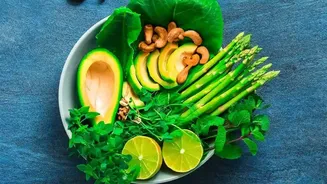
For vegetarians and vegans, combining a variety of pulses, grains, nuts and seeds can help provide a broad range of essential amino acids.
“The message during National Nutrition Week is simple: don’t wait until you start exercising to think about protein. Look at the whole plate and make sure every main meal contributes to your nutritional needs,” Dr Sahoo says.
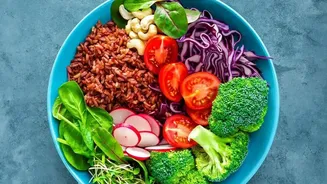
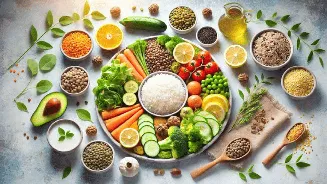
Ultimately, eating enough protein is not about following the latest fitness trend. It is about building a balanced everyday diet, one that includes adequate protein alongside vegetables, fruits, whole grains or other healthy carbohydrate sources and appropriate fats.
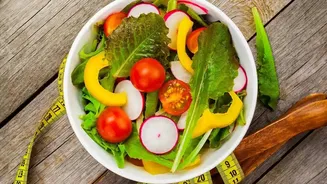
For most Indians, the first step may be surprisingly simple: look at the plate, not the protein powder.