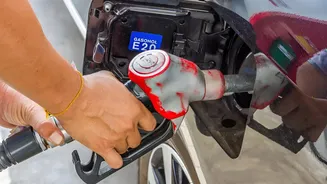






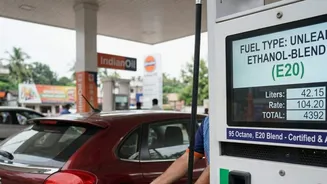


New Delhi: Some older BS-III cars and two-wheelers may need rubber components and gaskets replaced when running on E20 petrol, Road Transport and Highways
Minister Nitin Gadkari told the Rajya Sabha on Wednesday, July 29. The possible requirement applies to certain vehicles introduced from April 1, 2005, and manufactured before 2016.
The statement offers a more specific answer for owners worried about the impact of 20 per cent ethanol-blended petrol on ageing vehicles. Gadkari said studies found no need to modify the engines of cars or two-wheelers. Tests did not report major concerns linked to starting, drivability, metals or plastic components.
Which vehicles may need attention?
The advisory mainly concerns some BS-III vehicles made before 2016. Ethanol can interact differently with older rubber seals, pipes and gaskets that were not developed for higher blends.
Owners do not need to rush into an engine rebuild. These parts can generally be inspected and replaced during routine servicing. The exact need may differ by vehicle model, age and condition.
A sensible checklist includes:
- Ask the authorised workshop whether the vehicle is approved for E20
- Inspect fuel hoses, seals and gaskets for cracking or leakage
- Watch for starting trouble, fuel smell or unusual hesitation
- Check the owner’s manual for the supported ethanol blend
Will E20 reduce mileage?
Gadkari said mileage depends on several factors, including engine condition, traffic, driving habits, tyre pressure and fuel type. The government has previously told Parliament that older vehicles designed for E10 may record a fuel-efficiency drop of around 3 to 5 per cent on E20.
Studies cited by the minister were conducted by IOCL, IIP Dehradun, SIAM and ARAI. They examined engine durability, material compatibility, corrosion, emissions and vehicle performance.
What should owners do now?
Drivers with pre-2016 petrol vehicles should confirm compatibility during their next service. A small rubber seal is far cheaper than ignoring a fuel leak. Owners should keep service records and report any repeated problem to the manufacturer.
The government maintains that E20 was introduced after phased testing. Consumer concerns over mileage, older vehicle compatibility and repair liability remain part of the wider debate around the fuel rollout.