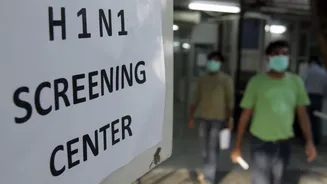









New Delhi: The first laboratory-confirmed death due to Influenza A (H1N1), commonly known as swine flu, has been reported in Nagpur this year, raising
concerns as the city records a sharp rise in infections during July. According to the Nagpur Municipal Corporation or NMC, 25 H1N1 cases have been confirmed since January, with 15 infections detected this month alone.
The increase has prompted civic authorities to step up surveillance, testing and public awareness, particularly as the monsoon season often coincides with a rise in respiratory illnesses across India. While H1N1 is now classified as a seasonal influenza virus, health experts warn that it can still lead to severe complications in vulnerable individuals, making early diagnosis and timely treatment crucial.
July accounts for majority of this year’s H1N1 cases
Data released by the Nagpur Municipal Corporation show that more than 60 per cent of the city’s confirmed H1N1 infections this year were reported in July. Of the 25 laboratory-confirmed cases recorded since January, 15 were detected this month, alongside the first confirmed H1N1-related death of 2026.
Health authorities have intensified surveillance across the Nagpur division to monitor the spread of the virus and encourage people with flu-like symptoms to seek medical attention promptly.
H1N1 continues to circulate as seasonal influenza
H1N1 first gained global attention during the 2009 influenza pandemic. It has since become one of the seasonal influenza viruses that circulate every year.
According to the World Health Organisation or WHO, the US Centers for Disease Control and Prevention (CDC) and India’s National Centre for Disease Control (NCDC), the virus spreads mainly through respiratory droplets released when an infected person coughs, sneezes or talks. Infection can also occur after touching contaminated surfaces and then touching the eyes, nose or mouth.
Although most infections remain mild, certain groups face a much higher risk of developing serious complications.
These groups face greater risk of severe illness
Health agencies identify the following groups as being more vulnerable to severe H1N1 infection:
- Adults aged 65 years and above
- Children younger than five years, particularly those below two years
- Pregnant women and women up to two weeks after childbirth
- People with asthma or other chronic lung diseases
- Individuals with diabetes
- Patients with heart disease
- People with chronic kidney or liver disease
- Individuals with weakened immunity due to cancer, HIV or certain medicines
- People with severe obesity (BMI above 40)
These individuals are at greater risk of pneumonia, respiratory failure, secondary bacterial infections and hospitalisation.
Symptoms can resemble seasonal flu
H1N1 symptoms usually develop one to four days after exposure and are similar to those of seasonal influenza.
Common symptoms include
- Fever, dry cough, sore throat, runny or blocked nose, body aches, headache, chills and extreme tiredness.
- Some patients, especially children, may also experience nausea, vomiting and diarrhoea.
Warning signs need immediate medical care
People experiencing difficulty breathing, persistent chest pain, bluish lips or face, confusion, severe dehydration or a high fever that does not improve should seek urgent medical attention. Medical evaluation is also recommended if flu symptoms initially improve but return with greater severity.
Children should receive prompt medical care if they become unusually drowsy, refuse fluids or develop rapid breathing.
Early treatment improves recovery
According to the CDC and WHO, antiviral medicines such as oseltamivir work best when started within 48 hours of symptom onset. However, patients with severe illness or those requiring hospitalisation may still benefit even if treatment begins later.
Doctors also recommend adequate rest, sufficient fluid intake and fever-reducing medicines as advised by a healthcare professional. Antibiotics are not effective against H1N1 because it is caused by a virus and are prescribed only if a bacterial infection develops.
Vaccination for protection
The WHO continues to recommend annual influenza vaccination for pregnant women, older adults, healthcare workers, young children and people living with chronic medical conditions.
Simple preventive measures such as frequent handwashing, covering coughs and sneezes, wearing a mask when unwell, staying home during illness, avoiding close contact with infected people and improving indoor ventilation can also help reduce transmission.