





New Delhi: Karwa Chauth fasting rules traditionally begin with Sargi before sunrise and end after the Moon is sighted and the evening rituals are completed.
Women observing the vrat generally avoid food and water throughout the day, participate in the evening puja and offer Arghya to Chandra Dev before breaking their fast. However, customs differ across families and regions, and the way you observe the fast can depend on your health, beliefs and family traditions.
Karwa Chauth 2026 falls on Thursday, October 29. Whether you are observing the vrat for the first time or following a family tradition, understanding the rules around Sargi, fasting, puja and Moon worship can help you prepare for the festival.
1. Eat Sargi Before Sunrise
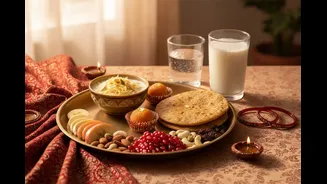
Sargi is the traditional pre-dawn meal eaten before beginning the Karwa Chauth fast. In many North Indian families, a mother-in-law prepares or gives Sargi to her daughter-in-law as a gesture of love and blessings.
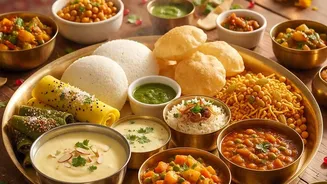
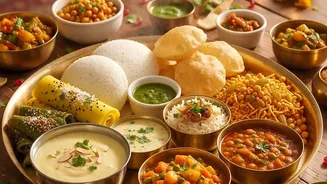
The thali commonly includes fruits, dry fruits, sweets, pheni or sevaiyan, and other foods according to family preference. Since you may be fasting for several hours, choose nourishing foods and drink enough water before the fast begins if your health permits.
Traditional rule: Finish Sargi before local sunrise. The exact meal and customs surrounding it vary by family.
2. Follow the Fasting Rules According to Your Tradition
Karwa Chauth is traditionally observed as a Nirjala Vrat, meaning a fast without food or water, from after Sargi until the Moon is sighted. This is the best-known form of the fast, but not everyone follows it in the same way.
Some women observe a modified fast because of their health or personal circumstances. Fasting should not be treated as a test of devotion, and you should not undertake a strict waterless fast without considering whether it is safe for you.
People who are pregnant, unwell, taking medication that requires food or water, or managing a medical condition should consult a healthcare professional before fasting. Follow medical advice rather than risking your health to maintain a ritual.
3. Avoid Food and Water During a Traditional Nirjala Vrat
Women following the traditional Nirjala Vrat abstain from both eating and drinking during the fasting period. In this observance, even water is generally avoided until the fast is completed.
However, there is no need to assume that every family follows identical rules. Some women choose a less restrictive observance, particularly when strict fasting is unsuitable for them.
If you are observing the traditional fast, make sure you understand your family’s customs in advance. If you need water, food or medication for health reasons, prioritise your well-being.
4. Perform the Evening Karwa Chauth Puja
The evening puja is an important part of the festival. Women traditionally prepare the puja thali, worship according to their family customs and listen to the Karwa Chauth Vrat Katha.
Common puja items include:
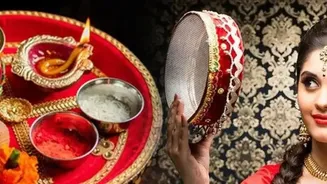
- Karwa or lota filled with water
- Puja thali, diya, cotton wicks and ghee or oil
- Roli or kumkum, rice grains and flowers
- Sweets or prasad
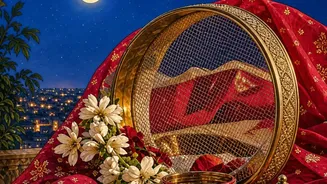
- A sieve for the traditional Moon-sighting ritual
- Water for offering Arghya
Goddess Parvati holds a special place in many Karwa Chauth traditions, while Lord Shiva, Lord Ganesha and Chandra Dev may also be worshipped. The exact puja procedure and items required can differ across communities.
5. Wait for the Moon Before Breaking the Fast
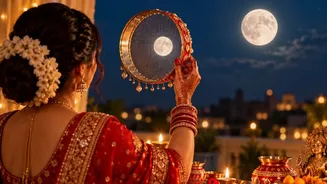
Traditionally, the fast is completed after moonrise and the prescribed evening rituals. Women offer Arghya, or water, to Chandra Dev and may look at the Moon through a sieve before looking at their husbands through the same sieve.
In many households, the husband then offers his wife water or food to break the fast. Other families follow different customs.
Remember that Moonrise varies by city. Check the local Panchang for your location rather than relying on the timing published for another city.
6. What Should You Avoid on Karwa Chauth?
The traditional observance emphasises devotion, discipline and participation in the prescribed rituals. Depending on family customs, women may be encouraged to avoid certain foods, activities or forms of entertainment during the fast.
There is no universal list of prohibitions followed by every Hindu family. Instead of assuming that every restriction applies to everyone, follow the traditions that are relevant to your household.
Most importantly, do not ignore symptoms such as dizziness, faintness, unusual weakness or signs of dehydration. Stop fasting and seek appropriate medical advice if you become unwell.
7. Can You Break the Karwa Chauth Fast Before Moonrise?
Traditionally, women break the Karwa Chauth fast after sighting the Moon and completing the evening rituals. However, health needs take priority over the ritual schedule.
If you feel seriously unwell, do not force yourself to continue fasting until moonrise. Seek medical assistance when necessary, particularly if you experience severe symptoms.
If you are unable to see the Moon because of clouds, follow the custom practised in your family or seek guidance from a trusted religious elder. Different communities have different ways of handling this situation.
Are Karwa Chauth Fasting Rules the Same for Everyone?
No. Although Sargi, daytime fasting, evening puja and Moon worship are central to many Karwa Chauth observances, details differ across regions and families. Newly married women may follow their in-laws’ customs, while other households may practise a simpler version of the vrat.
The purpose of understanding these rules is to prepare for the festival, not to feel pressured to follow every practice identically. Karwa Chauth can be observed with devotion while respecting individual circumstances.
Ultimately, the most important preparation is to understand your family’s traditions, plan the puja in advance and take care of your health throughout the day.
Written by: Tanya Singh of Astropatri.com. For feedback, please write to hello@astropatri.com.