






New Delhi: Sawan is widely associated with fasting, prayers and visits to Shiva temples, but the holy month has also preserved several lesser-known Ayurvedic
and seasonal traditions. Long before modern wellness trends, households adapted their daily routines to suit the challenges of the monsoon, from maintaining cleanliness and practising mindful eating to creating a healthier indoor environment.
Many of these customs were rooted in Ayurveda, while others evolved through generations of seasonal observation and cultural practices. Although not every family follows the same rituals today, several continue to be passed down as simple habits that reflect the connection between health, nature and spirituality. If you are looking to embrace Sawan beyond fasting and rituals, here are seven forgotten Ayurvedic practices that have traditionally been followed during the rainy season.
Ayurvedic rituals to follow this monsoon
Burn neem leaves or natural resin
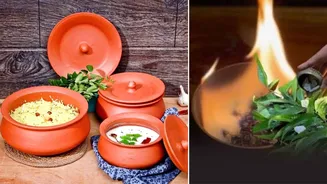
Many households traditionally burned dried neem leaves or sambrani (benzoin resin) during the monsoon. Besides creating a pleasant fragrance indoors, the practice was believed to help keep the living space fresh during damp weather and was often included in the daily routine after evening prayers.
Avoid adding honey to hot foods
Ayurveda advises against heating honey, as it is believed to alter its natural properties. During Sawan, honey is traditionally added only after milk, herbal drinks or other foods have cooled to a lukewarm temperature rather than while they are still hot.
Wash your feet before entering home
Returning home with wet, muddy feet is common during the rainy season. Washing the feet before stepping indoors has long been followed as a simple monsoon habit that promotes cleanliness and helps keep dirt and moisture out of the house.
Start a new daily discipline
Sawan is considered an auspicious month to adopt positive routines. Many people use this period to begin practices such as yoga, meditation, chanting, mindful eating, reading spiritual texts or waking up early, with the belief that habits started during the holy month are easier to sustain.
Keep fresh flowers in prayer area
Placing fresh flowers in the home temple each morning remains a cherished Sawan tradition in many households. Besides symbolising purity and devotion, fresh blooms are believed to create a calm and uplifting atmosphere during daily worship.
Donate something useful every Monday
Charity is an important part of Sawan observances. Rather than making grand donations, many families traditionally offered practical household essentials such as food grains, clothing, utensils or daily-use items every Monday, reflecting the spirit of generosity and service.
Use earthenware for cooking or serving
Clay pots and earthen utensils have long been valued during the monsoon for their natural cooling properties. Many households preferred using earthenware to prepare or serve food during Sawan, believing it helped keep meals fresh while preserving traditional cooking practices.
These time-honoured Sawan rituals continue to reflect the season’s emphasis on mindful living, balanced routines and simple practices that bring together tradition, Ayurveda and everyday well-being.