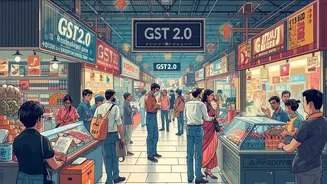









Kolkata: The GST 2.0 process reforms, which rationalised indirect taxes on hundreds of items in September 2025, is set to open a new chapter this week.
The GST Council which is supposed to meets on Wednesday (October 7) is expected to unveil reforms to simplify registration and filing returns, make goods movement more predictable and reduce disputes between taxpayers and the tax department. One proposal that is supposed to make life easier for small e-commerce platforms is to allow them use the warehouse used by the platform as the registered place of business in states where they do not have their own premises. This will help them lower costs as it will suffice for them to maintain one unique presence in one state for physical verification and Aadhaar authentication. In other states they might furnish the address of the warehouse as their address, which they can negotiate with the owner of the warehouse.
9.5 lakh small sellers to benefit
This move can benefit as many as 9.5 lakh small sellers. Once this proposal is accepted and implemented, it will allow the small e-comm players to access the national market without setting up offices in every state where their goods are stored. Officials have indicated that the GST Council could also consider a proposal to protect input tax credit of genuine buyers who have valid invoices even if an upstream supplier defaults on tax payment. In these cases, any recovery action could be initiated against the defaulting seller.
This step could address a key source of GST litigation and business uncertainty. Companies purchasing from small and new vendors can benefit. In other words, companies will feel encouraged to buy from new vendors, thus expanding the sourcing base.
Reduction of litigation in focus
The GST Council also wants to ensure an indirect tax regime with less friction. Therefore, it could consider a proposal to bar issuance of GST notices where the tax demand is below Rs 10,000. Significantly, as much as one-fifth of all disputes are linked to these tiny amounts. This step would also apply to pending cases, be it at the adjudication or appeal stage.
Also for demands above Rs 10,000, GST officers might have to send an intimation to the taxpayer first. They will thus get an opportunity to respond and only if such a response has been found unsatisfactory will a notice be issued. The Council could also consider implementing common standards for raising and deciding tax demands.
Smoother GST registration
The council could also decide to simplify the application for GST registration which will make it easy to complete the process correctly the first time. The new system could offer guidance at each stage. It could also offer the applicant a tailored list of documents required for uploading. Details from an existing registration in another state could be carried over in this new system. Also is a business wants to apply for registrations in more than one state, the process could be completed one go.