








New Delhi, August 13, 2026: India’s public hospitals are carrying a heavy patient load with far fewer beds than needed, raising fresh concerns over how
quickly patients can get treatment. A Parliamentary panel has now flagged the shortage as one of the major gaps holding back affordable healthcare in the country.
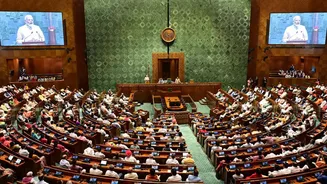
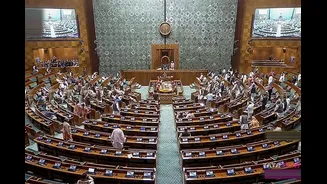
The Parliamentary Standing Committee on Health and Family Welfare, headed by Rajya Sabha MP Prof. Ram Gopal Yadav, presented its 176th Report, “Affordability and Accessibility of Healthcare Facilities in Public and Private Sector,” to Parliament on August 7. The report contains 368 recommendations covering public hospitals, private healthcare costs, insurance and access to treatment.

India’s public healthcare crunch
India has just 0.79 public hospital beds per 1,000 people
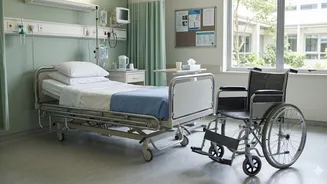
The number that stands out is 0.79 public sector hospital beds for every 1,000 people. The committee described this as a “critical deficit” and called for a major expansion of public health infrastructure.
For patients, this shortage can show up in very ordinary ways. A family may reach a government hospital and find crowded wards, long queues or a bed that is simply not available. The next choice can often be a private hospital, where treatment may cost much more.
The committee said excessive patient loads in government hospitals can reduce consultation time and affect service efficiency. It recommended expanding bed capacity and recruiting specialised medical staff, particularly at public hospitals facing high demand.
Public health spending remains below policy target
Money is another major concern. Government health expenditure stands at 1.43 per cent of GDP, according to the report. This remains below the 2.5 per cent target set under the National Health Policy, 2017.
The committee has called for a time-bound plan to increase health spending to the 2.5 per cent level, with more money directed at public healthcare infrastructure.
The spending mix raises another question. The report says 51 per cent of public health funds go to primary healthcare, compared with 28 per cent for secondary care and 11 per cent for tertiary care. It recommends more investment in Community Health Centres, district hospitals and government medical colleges.
Administrative spending comes under scanner
The panel has also questioned the share spent on administration. Government expenditure on governance and supervision stands at 8 per cent, compared with 4 per cent across government and private healthcare combined.
It recommended cutting duplication through digital systems and redirecting some of these funds to medical equipment, diagnostics, specialist staff and vacant posts at Community Health Centres.
The larger message from the report is that more public hospital beds alone will not fix the problem. India will need more doctors, functioning district hospitals, equipment and sustained public spending if patients are to get affordable treatment closer to home.