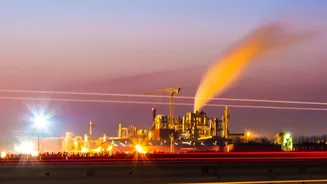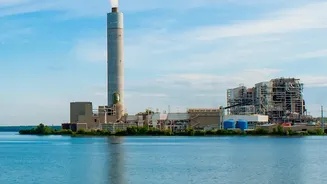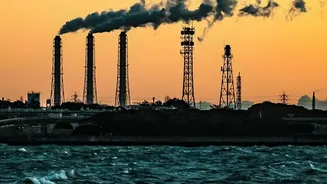







Kolkata: Reliance Industries has announced a major project in the energy sector in Andhra Pradesh. It is a coal gasification project where Mukesh Ambani’s
company intends to pump in about Rs 2.73 lakh crore over 30 years. The target is to produce gas and other industrial products from underground coal reserves. This project could help reduce India’s dependence on imports of commodities like LNG, ammonia and methanol. However, the investments are of a ballpark nature since the technical and commercial feasibility of the project will be explored before it comes to the finalisation of investments.
Initial plan
Media reports have stated that Reliance has proposed setting up an integrated underground coal gasification complex. It will obtain raw materials from the Chintalapudi and Recherla coal blocks in the Eluru district of Andhra Pradesh. The company acquired these two coal blocks through the Coal Ministry’s e-auction process. The proposal entails a potential total investment of Rs 2.73 lakh crore. However, this investment will proceed only if the project proves to be technically and commercially viable during the exploration and pilot phases.
Pilot project
According to reports, the initial plan consists of three phases. The first phase will run from Q3 of FY27 to Q4 of FY28 and will entail an expenditure of up to Rs 3,000 crore on exploration and pilot activities. Once this phase gets over to satisfaction, the development stage will follow with an investment of Rs 1.2 lakh crore, which will run from 2028 to 2030. The final stage will involves investing around Rs 1.5 lakh crore in the production phase, which will be flagged off in 2030.
Estimated coal reserves in the Andhra Pradesh beds
The two coal blocks acquired by Reliance have coal reserves at depths exceeding 500 meters. The Chintalapudi block spans about 3,000 acres and is estimated to hold about 904.9 million tonnes of G12-grade coal. The Recherla block covers around 5,500 acres and holds about 2,225.7 million tonnes. Cumulatively they offer 3.13 billion tons of coal.
Impact on India’s import bill
According to the government, more than 50% of India’s LNG needs are met through imports. Also about 20% of urea, nearly all ammonia and approximately 80–90% of methanol are imported. if the project is successful and gas and chemicals are produced from domestic coal increases, reliance on imports could commensurately go down. This has, in turn, concomitant implications on the rupee’s exchange rate vis-a-vis hard currencies like the US dollar.
Since coal gasification projects convert coal into liquid fuel such as diesel or petrol and chemicals and natural gas, it can be used to imports of oil and related products and, in fact, China and South Africa use the technology for this purpose.