



New Delhi: Thanksgiving is one of the most beloved holidays in the United States, bringing together families and friends to enjoy a day of good food, gratitude
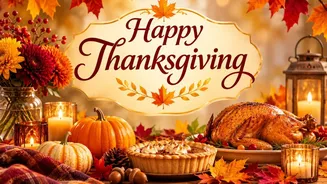
and togetherness. From roasted turkey and pumpkin pie to colourful autumn decorations and lively family gatherings, the festival is all about appreciating the blessings of life and spending time with loved ones.
Thanksgiving in the United States is held on the fourth Thursday in November. Unlike Christmas, which is always celebrated on the same date each year, Thanksgiving falls on a different date each year. In 2026, Americans will celebrate Thanksgiving on Thursday, November 26.
Many think of the holiday as a big family meal, but it has roots going back hundreds of years. Thanksgiving’s roots lie in harvest festivals, colonial American history and traditions of giving thanks. It has become a major national holiday over the years with its own traditions, celebrations and cultural meaning.
Thanksgiving 2026 day and date
Thanksgiving Day in the United States in 2026 is on Thursday, November 26th, 2026. The holiday takes place on the fourth Thursday in November each year. This means that the date changes every year, but the day of the week is the same.
Thanksgiving is a national holiday in the United States, and many schools, government offices and businesses are closed. Many families travel across the country to spend the long weekend together.
The next day, November 27, 2026, is Black Friday, a big holiday shopping day with holiday buying and discounts.
Thanksgiving history: How did the festival begin?
The Thanksgiving story most frequently told goes back to 1621, when English colonists, often called Pilgrims, gathered for a harvest celebration in what is now Plymouth, Massachusetts. Wampanoag people were among those who gathered. The Wampanoag had been in the area long before the English settlers arrived, and their knowledge of local farming and food sources was instrumental in the survival of the colonists.
Often called the first Thanksgiving, the gathering took place long after harvest celebrations and ceremonies of giving thanks were held by Indigenous communities prior to European settlement. Other early Thanksgiving observances also occurred in North America.
The famous story of the Pilgrims and Native Americans eating together peacefully is only part of a much more complicated story. Relations between European settlers and Indigenous communities were later marked by land dispossession, conflict and devastating consequences for Native peoples.
For this reason, Thanksgiving has different meanings for different Americans. While many celebrate it as a day of gratitude, some Native American communities take the day to remember their ancestors and reflect on the impact of colonisation.
How America made Thanksgiving a National Holiday
The 1621 meeting did not immediately launch an annual, national celebration of Thanksgiving. For years, different American colonies and states celebrated Thanksgiving days at different times.
In 1789, President George Washington issued a proclamation calling for a national day of thanksgiving. Things changed dramatically during the American Civil War. In 1863, President Abraham Lincoln declared a national day of Thanksgiving to be celebrated on the last Thursday in November.
The holiday gradually became an important part of American life. In 1941, President Franklin D. Roosevelt signed legislation establishing Thanksgiving as a federal holiday observed on the fourth Thursday of November. This remains the rule followed in the United States today.
Why do Americans celebrate Thanksgiving?
At its heart, modern Thanksgiving is about expressing gratitude for the good things in life. For many Americans, it is a time to appreciate family, friendships, health, opportunities and the people who offer support during difficult moments.
The holiday also has a strong connection to the harvest season. In the past, people would celebrate a good harvest and give thanks for the food that would get them through the months of winter. Today, Thanksgiving is largely a family-centred occasion. People travel home, prepare special meals, reconnect with relatives and take a break from their everyday routines.
Some families begin their Thanksgiving dinner by sharing what they are grateful for. Others volunteer at community kitchens, donate food or help people who may be spending the holiday alone. Thanksgiving is a religious observance that has become a holiday celebrated by all Americans of all faiths and cultures.
How is Thanksgiving celebrated in the United States?
Thanksgiving is observed in different ways in different homes, but there are a number of traditions that have become strongly associated with the holiday.
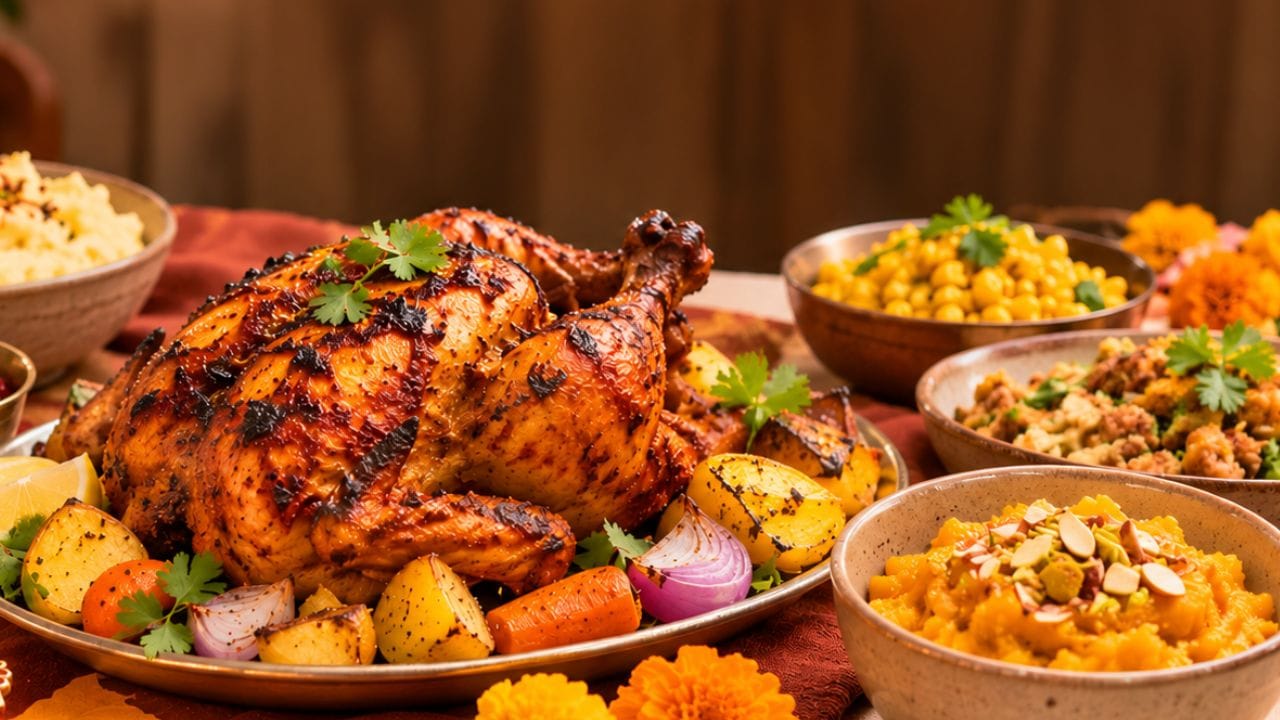
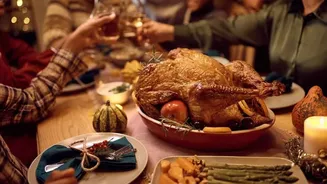
Thanksgiving Dinner: Families gather around the table for a special meal which usually consists of roast turkey, stuffing, mashed potatoes, cranberry sauce, vegetables and gravy. The most common pies are apple pie, pumpkin pie and pecan pie.
Macy’s Thanksgiving Day Parade: One of the most iconic Thanksgiving traditions is the well-known parade in New York City. There’s giant character balloons, elaborate floats, marching bands and performances.
American football: For many families, watching the game has become a holiday tradition, with NFL games being part of the Thanksgiving Day entertainment.
Friendsgiving: Some people celebrate with their close friends instead of or in addition to family.These gatherings, often called Friendsgiving, usually consist of a meal where each person brings a dish to share.
Volunteering and charity: Food donations, community meals and volunteering are also popular ways to observe the holiday.
Presidential turkey pardon: Another well-known tradition is the US president ceremonially pardoning a turkey pre-Thanksgiving.
What is the significance of Thanksgiving?
Thanksgiving is important because it teaches people the value of thankfulness, giving and human relationships. The holiday is a time for families to get together in a busy world, to share a meal and to appreciate moments that might otherwise be missed.
It’s also the start of the holiday season for many Americans, with Christmas preparations and end-of-the-year celebrations just around the corner.