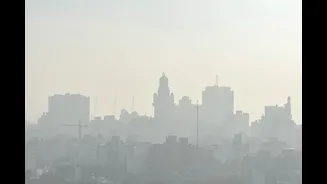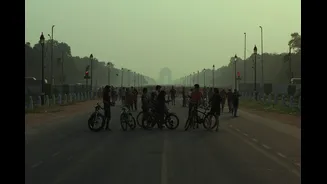



New Delhi: The festival lasts a few days, but the pollution it leaves behind does not clear as quickly. Firecrackers release toxic gases and fine particles
such as PM2.5 and PM10, and with little wind, poor ventilation and no rain, these can hang in the air for days and mix with other local pollutants. This keeps the AQI high and puts lungs and hearts under strain long after Diwali is over. In a communication to News9 Digital, Dr Vandana Prabhu, Pulmonologist, Apollo Clinic, Bengaluru, discusses why firecracker pollution continues to affect health, the symptoms to watch for, the groups at higher risk and the precautions to follow during high AQI levels.
Why firecracker pollution stays in the air after Diwali
Explaining why the effect does not end with the festival, Dr Vandana Prabhu said, “Firecracker pollution does not create an immediate cessation effect after the festival of Diwali. Firecrackers release toxic gases and other tiny particles in the air, some of which include PM2.5 and PM10.”
Dr Prabhu added, “The particles remain in the air for several days compounded by little wind, poor ventilation and lack of rain. Additionally, the pollution mixes with other local pollutants causing degradation of air quality in general.”
Health effects of post-Diwali air pollution
Describing the symptoms people may notice, Dr Prabhu said, “Polluted air may have adverse effects, with the most prevailing symptoms including coughing, sneezing, throat irritation, difficulty in breathing, chest constriction, and aggravation of asthma.”
On the strain on the heart and lungs, she said, “People who have cardio-vascular issues may suffer the increased load on the heart. Prolonged exposure to high levels of pollution can lead to increased risk of diseases of the heart and lungs.”
Who is at higher risk and how to stay safe during high AQI
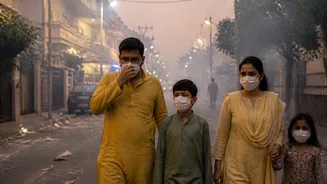
Warning about groups that need extra care, Dr Prabhu said, “Children, the elderly, pregnant women, as well as people who suffer from asthma, allergies, or have lung and heart conditions are particularly sensitive to this issue. They need to be more attentive noting symptoms like persistent cough, wheezing, shortness of breath, and unusual tiredness in a person.”
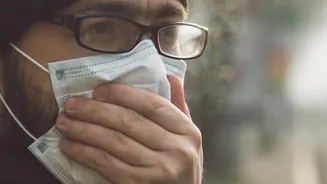
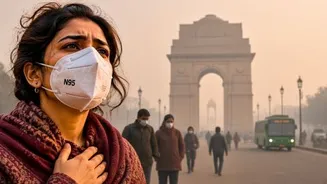
Advising on outdoor activity and protection, she said, “During periods of high air quality index (AQI) levels, it is wise to steer clear of outdoor exercises such as jogging and walking in the early morning and late evening. An N95 mask can help keep harmful substances out during outdoor exposure. In addition, doors and windows of the house should be kept locked.”
Suggesting further steps, Dr Prabhu said, “One can also stay hydrated and pay attention to medicines as prescribed and avoid being exposed to polluted areas. People with pre-existing respiratory and heart conditions must be extra cautious and consult the doctor if anything worsens.”
Stressing that the risk continues after the festival, she said, “Most importantly, pollution-related risks are not only limited to the festival duration. It is as important to ensure safety from pollution-related hazards following Diwali as it is during the festival.”
Disclaimer: This article is based on the research and inputs shared by the doctor mentioned above and is intended for informational purposes only. The findings should not be considered medical advice or used for self-diagnosis or treatment. Consult a qualified healthcare professional for personalised guidance.