




New Delhi: As the monsoon brings much-needed respite from soaring temperatures, dermatologists say it also marks the beginning of one of the toughest seasons
for the skin. Increased humidity, excessive sweating, clogged pores, and rising pollution levels often trigger acne flare-ups, oiliness, redness, and skin irritation. According to Dr Sadhika Ganni, MD, Dermatologist at Tvacha Skin Clinic, Rajahmundry, Andhra Pradesh, non-invasive LED (Light Emitting Diode) Light Therapy, particularly CELLUMA LED Light Therapy, is emerging as a safe adjunctive treatment that can help calm inflamed skin, reduce acne-causing bacteria, and support healthier skin during the rainy season—without needles, chemicals, or downtime.
While dermatologists stress that LED therapy is not a replacement for prescription acne treatment in moderate-to-severe cases, growing clinical evidence suggests that blue and red light therapies can effectively complement conventional skincare by reducing inflammatory lesions and promoting faster healing.
Why monsoon weather wreaks havoc on skin
Dermatologists frequently observe a spike in acne consultations during the monsoon. The combination of high humidity and sweat increases oil production, allowing dead skin cells, sebum, and environmental pollutants to clog pores more easily. This creates an ideal environment for acne-causing bacteria to thrive.
People with oily, combination, or acne-prone skin are especially vulnerable to:
- Frequent breakouts
- Increased oiliness
- Clogged pores and blackheads
- Redness and inflammation
- Skin sensitivity and irritation
- Uneven skin texture
Although a consistent skincare routine remains the first line of defence, many patients are increasingly opting for dermatologist-supervised, non-invasive procedures that support skin recovery without causing additional irritation.
“During the monsoon, humidity and excessive sweating often aggravate acne and skin inflammation. We are seeing more patients looking for gentle treatments that help restore skin balance without damaging the skin barrier. LED Light Therapy is one such option that complements a good skincare routine and medical treatment wherever required,” says Dr Sadhika Ganni, MD Dermatologist, Tvacha Skin Clinic, Rajahmundry.
How LED light therapy works
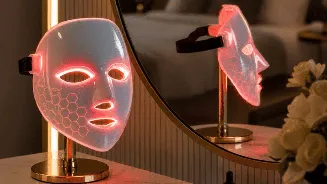
LED Light Therapy uses specific wavelengths of visible light to stimulate biological processes within the skin.
Different wavelengths target different concerns:
- Blue light primarily targets Cutibacterium acnes (formerly Propionibacterium acnes), the bacteria associated with inflammatory acne.
- Red light penetrates deeper into the skin, helping reduce inflammation while supporting tissue repair and the skin’s natural healing process.
Unlike lasers, LED therapy does not generate heat that damages skin tissue. The procedure is painless, non-invasive, requires no anaesthesia, and involves virtually no recovery time.
Recent research, including a 2025 systematic review and meta-analysis published in JAMA Dermatology, found that red and blue LED devices significantly reduced inflammatory and non-inflammatory acne lesions, with improvements generally becoming noticeable after four to twelve weeks of consistent treatment. Serious adverse effects were not reported, with only mild temporary redness or dryness occurring in a small number of users.
Why CELLUMA LED therapy is gaining attention
Among professional LED systems, CELLUMA LED Light Therapy has become increasingly popular in dermatology clinics because of its ability to deliver clinically established blue and red wavelengths designed for acne management and skin rejuvenation.
According to Dr. Ganni, the treatment may help:
- Reduce active acne lesions
- Calm redness and inflammation
- Support faster healing of blemishes
- Improve overall skin texture
- Promote a brighter, healthier-looking complexion
- Reduce the likelihood of recurrent inflammatory breakouts when combined with appropriate skincare
Since the therapy is gentle, it is generally suitable for most skin types, including individuals with sensitive skin who may not tolerate aggressive procedures well.
“CELLUMA LED Light Therapy offers a comfortable, non-invasive approach to managing seasonal skin concerns. By combining blue light to target acne-causing bacteria with red light to calm inflammation, the treatment supports clearer and healthier-looking skin without interrupting daily routines,” explains Dr Sadhika Ganni.
What does science say
Although LED therapy has become increasingly popular, dermatologists caution against viewing it as a miracle cure.
The American Academy of Dermatology (AAD) states that blue and red light therapies can reduce inflammatory pimples, but they generally work best as part of a broader acne treatment plan rather than as standalone therapy. Outcomes vary from person to person, depending on acne severity and underlying causes.
Meanwhile, the latest evidence published in JAMA Dermatology supports the safety and effectiveness of red and blue LED devices for mild-to-moderate acne, suggesting they can complement topical and prescription treatments while producing minimal irritation.
Experts also note that more high-quality, long-term clinical studies are needed to standardise treatment protocols across different devices.
LED therapy works best alongside good skincare
Dermatologists emphasise that no clinic procedure can replace healthy skincare habits.
To minimise monsoon-related skin problems, experts recommend:
- Cleansing the face twice daily with a gentle cleanser
- Using a lightweight, non-comedogenic moisturiser
- Wearing sunscreen even on cloudy days
- Avoiding heavy, pore-clogging makeup
- Maintaining adequate hydration
- Eating a balanced diet and managing stress
- Consulting a dermatologist before starting any advanced treatment
“LED therapy should be viewed as an evidence-based supportive treatment rather than a substitute for medical care. When combined with proper cleansing, sun protection, hydration and dermatologist-guided skincare, it can help patients maintain calmer, clearer skin throughout the monsoon,” says Dr Sadhika Ganni.
As humidity-driven acne and skin irritation become increasingly common during the rainy season, non-invasive LED Light Therapy is gaining recognition as a convenient, low-risk option for people seeking additional support beyond topical skincare.