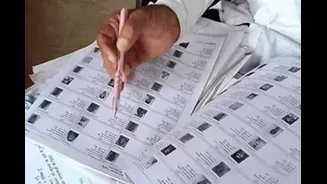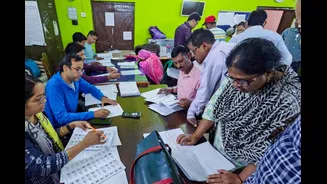





The figures have sparked a political debate over the purpose and impact of the SIR exercise. One argument circulating around the revision is that the deletion
of nearly one crore names proves that Karnataka’s earlier electoral rolls contained a large number of false entries. The exercise involved state government election machinery working under the Election Commission’s supervision. Yet the scale of the reduction raises another question. Were all these entries genuinely invalid, or could eligible voters have lost their names during verification?
Karnataka SIR: What do the numbers show?
The revision began with 5.54 crore general voters on the electoral rolls as of June 16, 2026. By the time the final list was published on October 27, the number had dropped to approximately 4.54 crore.
| Electoral roll stage | Number of voters |
|---|---|
| Pre-SIR roll, June 16, 2026 | 5,54,32,314 |
| Draft roll, August 24, 2026 | 4,46,35,975 |
| Final roll, October 27, 2026 | 4,54,55,689 |
| Net reduction | 99,76,625 |
The final figure refers to general electors. Including 44,322 service electors, Karnataka’s total electorate stands at 4,55,00,011.
The numbers confirm that the voter list has shrunk sharply. They do not establish that every deleted entry was fraudulent.
Why were so many voter names removed?
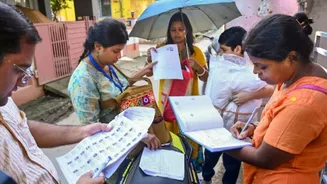
According to Election Commission data, more than 1.08 crore voters did not submit enumeration forms during the initial verification exercise.
Officials classified these entries under several categories, including:
-
65.45 lakh voters marked as permanently shifted.
-
19 lakh voters recorded as absent.
-
16.39 lakh voters identified as deceased.
-
7.09 lakh duplicate entries.
These classifications explain much of the initial reduction. An absent voter or someone who has moved may still be eligible to vote at the appropriate registered address. The revision later added 10.08 lakh voters to the rolls.
What is the political controversy surrounding Karnataka SIR?
The Congress has strongly criticised the SIR exercise, raising concerns that genuine voters, particularly those from poorer and minority communities, could lose their voting rights.
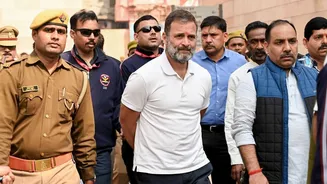
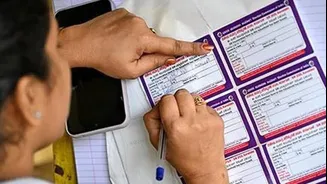
On October 1, Karnataka Chief Minister D K Shivakumar and several Cabinet ministers protested outside the Chief Electoral Officer’s office. Shivakumar alleged that BJP workers were submitting large numbers of pre-printed Form 7 applications seeking the removal of legitimate voters.
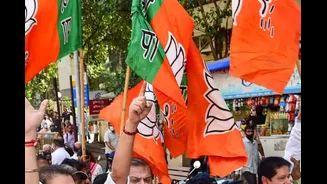
The BJP and JD(S) rejected allegations of wrongdoing and defended the right to file voter-list objections. They accused the Congress-led state government of attempting to influence the electoral revision process.
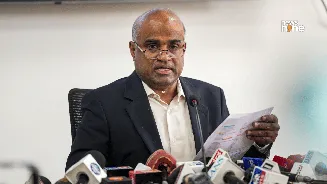
Karnataka Chief Electoral Officer V Anbukumar subsequently directed officials to take legal action against knowingly false applications. Following publication of the final list, he maintained that the revision had been conducted transparently and said no voter had been deleted solely on the basis of bulk Form 7 submissions.
Does the deletion of 99 lakh names prove electoral fraud?
The figures show a substantial reduction in Karnataka’s registered electorate. They do not establish that nearly one crore fraudulent voters existed or that all deletions were improper.
The controversy is particularly significant in Bengaluru Urban, where the electoral roll reportedly shrank by more than 40 per cent.
Eligible residents whose names are missing can still apply for inclusion through Form 6, according to the Chief Electoral Officer.