








New Delhi: Oman has reportedly presented Iran with a Gulf-backed proposal to establish a regional mechanism for managing navigation through the Strait
of Hormuz. This is to include a system of voluntary fees paid by commercial ships for maritime safety and navigational services. The initiative is aimed at reducing tensions in one of the world’s most strategically important waterways that has been under heavy, repeated disruptions due to tensions between Iran and the US-Israel alliance which has also continued to cause troubles for global energy trade.
What is the proposal?
According to Reuters, the proposal has the support of several Gulf Arab states and seeks to create a cooperative framework for securing shipping in the strait rather than allowing any single country to exercise exclusive control.
Under the plan, shipping companies would make voluntary contributions to fund navigation aids, maritime safety and environmental protection measures, drawing inspiration from the user-funded model employed in the Strait of Malacca.
The proposal was delivered by Omani officials to Tehran in recent days as part of Muscat’s broader mediation efforts. Oman has long served as a trusted intermediary between Iran, Gulf Arab states and Western powers, and has frequently hosted back-channel negotiations during regional crises.
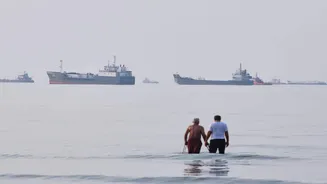
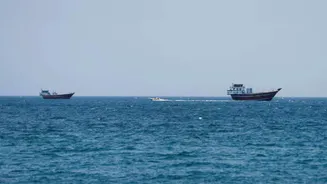
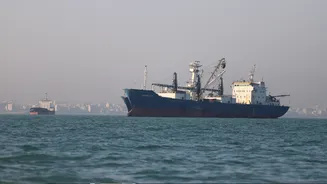
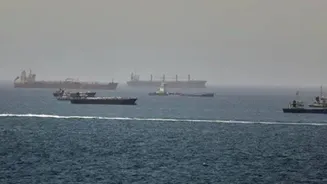
The initiative comes after the Iran conflict sparked a prolonged crisis in the Strait of Hormuz, through which nearly 20 per cent of global oil and liquefied natural gas shipments pass. The waterway is the only maritime outlet for several Gulf producers, including Iraq, Kuwait, Qatar and Bahrain, making any disruption a major concern for global energy markets. With the US-Iran peace deal collapsing, and the ceasefire not stable either, Gulf countries have been looking for ways to not let the war disrupt their oil transits.
However, Iran appears reluctant to embrace the proposal. A senior Iranian official told Reuters that Tehran sees “little chance of success” for the plan, signalling opposition to any arrangement that could dilute its influence over the strategic waterway, which has come to be a major bargaining chip for Tehran in its war with the US-Israel alliance.
The United States has also opposed any mechanism that resembles a transit charge for using the strait, constantly maintaining that the Strait of Hormuz is an international waterway governed by international maritime law, and that commercial vessels should continue to enjoy the right of free passage without mandatory tolls or restrictions.